





Go Beyond the Marquee Name
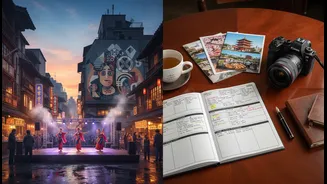
That famous opera, major museum exhibit, or festival headliner is a fantastic starting point, but it shouldn't be the entire story. The richest cultural trips treat the main event as an anchor, not the whole holiday. Before you book, research what else
is happening around your primary event. Look for fringe festivals, which often pop up around major ones like the Edinburgh Fringe. Check local tourism board websites and arts council listings for studio art tours, gallery walks, and workshops where you can meet local artists. These smaller, often more intimate, experiences provide a deeper connection to a city’s creative pulse. Sometimes, the most memorable part of a trip isn't the sold-out show, but the spontaneous visit to a local artist’s studio or a free concert in a park.
Master the Art of Timing
Every destination has a rhythm of peak, shoulder, and off-seasons. Travelling during the peak season for a major festival guarantees vibrancy and energy, but it also means bigger crowds and higher prices for flights and hotels. Consider the shoulder seasons—the months just before or after the peak—which often provide a perfect balance. You might find that the weather is still pleasant, crowds are thinner, and seasonal programming is still running. Visiting Paris in November instead of July, for example, means you can explore the Louvre with more breathing room. Off-season travel can offer even steeper discounts and a more authentic, less-crowded experience, though it may come with compromises on weather. Being flexible with your dates can unlock significant savings and a more relaxed trip.
Planning for the Whole Family
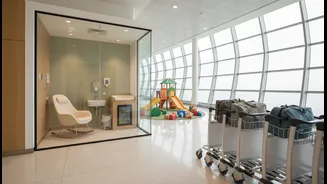
A cultural trip with children requires a different kind of balance. The key is to mix adult-focused activities with experiences that engage younger travellers. Many Indian cities offer a great blend of culture and fun. In Jaipur, for example, the history of Amer Fort can be paired with an exciting elephant or jeep ride, while puppet shows at Chokhi Dhani bring local culture to life for all ages. When attending a festival, choose one that is explicitly family-friendly, with designated quiet zones or children's programming. It's also wise to pack your own snacks and entertainment, as festival food can be expensive and attention spans can be short. Arriving early helps you find a comfortable spot and avoid the biggest crowds, and having a pre-arranged meeting spot is a simple but effective safety measure.
Build a Balanced and Flexible Itinerary
Over-scheduling is the enemy of enjoyment. A great cultural itinerary leaves room for spontaneity. Structure your days with one main anchor event—like a museum visit in the morning or a theatre performance in the evening—and leave the surrounding hours open for discovery. Don't try to cram too much into one day. A packed schedule can lead to burnout, especially for families. Instead, balance intense cultural activities with downtime. This could be as simple as relaxing in a cafe, exploring a neighbourhood away from the main tourist hubs, or taking a food tour to sample local specialities. Remember to book essential tickets for popular attractions in advance to avoid long queues, but allow yourself the freedom to wander and follow where your curiosity leads.
Budgeting for an Authentic Experience
A culturally rich trip doesn't have to break the bank. Many of the most authentic experiences are free or low-cost. Look for free museum days, pay-what-you-can performances, and self-guided walking tours of public art or historic neighbourhoods. City tourism websites often list free events and concerts. When it comes to dining and shopping, venture a few streets away from the main tourist attractions. This is where you’ll often find better value and more authentic local food. Supporting locally-owned businesses, whether it's a small gallery, a craft market, or a family-run restaurant, not only saves you money but also enriches your experience and contributes directly to the local community.