



First Things First: Permits and Preparation
A trip to North Sikkim requires more than just booking a flight. Because Lachen and Lachung are in a protected area near international borders, all tourists need a special permit. For Indian citizens, this is the Protected Area Permit (PAP), while foreign
nationals need a Restricted Area Permit (RAP). These permits cannot be obtained by solo travellers; you must be in a group of at least two and travel with a Sikkim-registered tour operator. The operator will handle the permit application process, which requires your photo ID (like an Aadhaar card or passport) and passport-sized photos. It's crucial to arrange this through your operator before you travel, as permits are checked at multiple points along the route. The best times to visit are during spring (March to May) for blooming rhododendrons, or autumn (October to November) for clear skies and crisp mountain views. Monsoon (July to September) is best avoided due to landslide risks.
Day 1 & 2: Arriving and Acclimatising in Gangtok
Your journey to North Sikkim will almost certainly begin in Gangtok, the state's capital. The nearest airport is Bagdogra (IXB) in West Bengal, and the closest major railway station is New Jalpaiguri (NJP). From either, it's a scenic four-to-five-hour drive to Gangtok. A six-day itinerary allows for a comfortable start. Spend your first day arriving and settling into your hotel. Use the second day for acclimatisation and local sightseeing. Many itineraries include a day trip to the beautiful Tsomgo Lake and Baba Mandir, which also requires a separate permit arranged by your operator. This excursion helps your body adjust to higher altitudes before heading further north, which is a critical step in preventing altitude sickness. Spend your evenings exploring the lively MG Marg in Gangtok.
Day 3: The Scenic Drive to Lachen
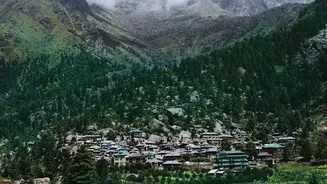
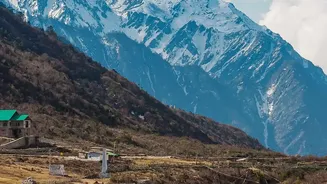
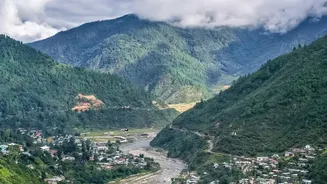
On day three, the real adventure begins. After an early breakfast in Gangtok, you'll start the five-to-seven-hour drive to Lachen. The journey itself is an experience, taking you along winding mountain roads with stops at viewpoints like Singhik and attractions like the Seven Sisters Waterfall. The road passes through Mangan, the district headquarters, and then to Chungthang, a key town where the road splits towards Lachen and Lachung. Lachen, a quiet village at an altitude of about 8,800 feet, serves as the base for visiting Gurudongmar Lake. Upon arrival, check into your hotel or homestay. The accommodation here is typically basic but clean and comfortable. The evening is for rest and further acclimatisation, which is vital before the next day’s ascent to extreme altitude.
Day 4: Gurudongmar Lake and On to Lachung
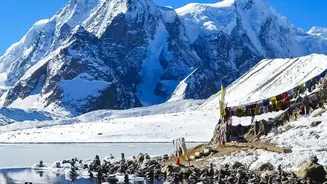
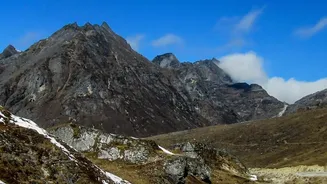
This day demands a very early start, typically around 4 AM. The goal is to reach Gurudongmar Lake, one of the world's highest lakes at over 17,000 feet, before the notoriously strong afternoon winds begin. The landscape becomes increasingly stark and dramatic as you ascend. You will only spend a short time (15-30 minutes) at the lake due to the thin air, but the sight of the sacred, crystal-clear water against a backdrop of snow-capped peaks is unforgettable. It's important to note that access to Gurudongmar Lake is generally restricted to Indian nationals. After the visit, you'll drive back down to Lachen for lunch and then proceed to Lachung, a journey of about two to three hours. This allows you to descend to a more comfortable altitude for the night.
Day 5: Yumthang Valley and Return to Gangtok
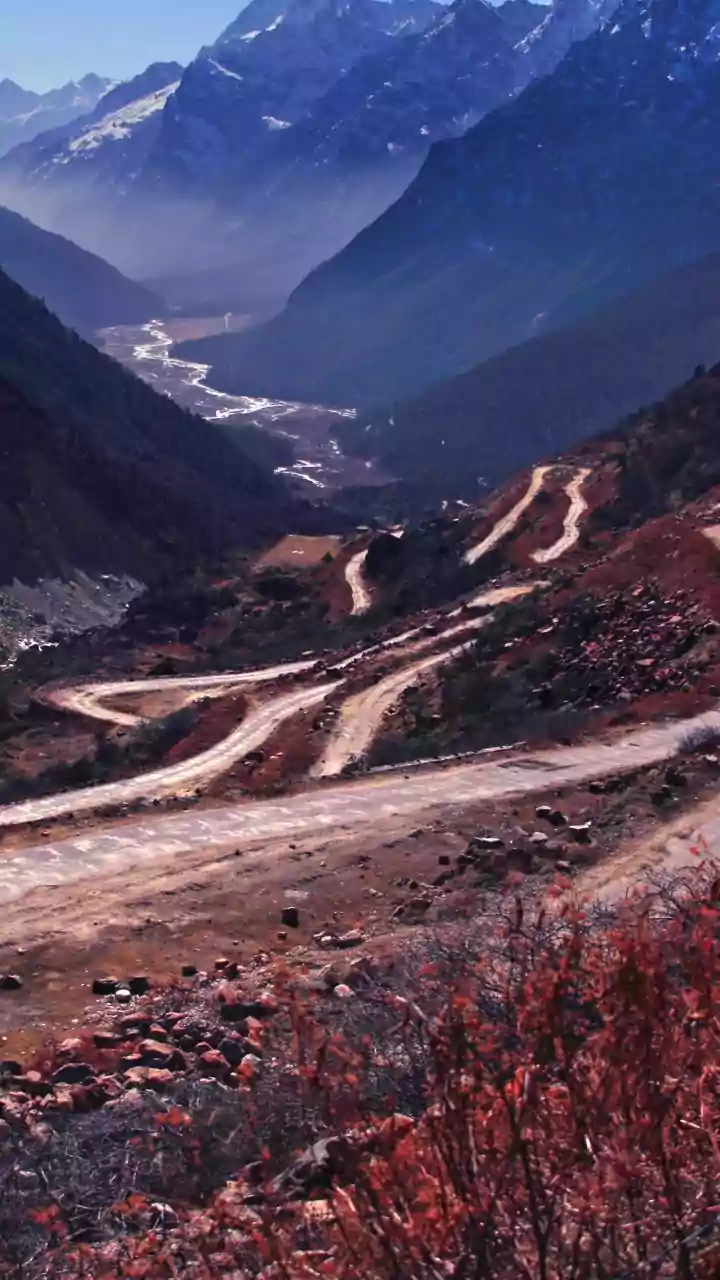
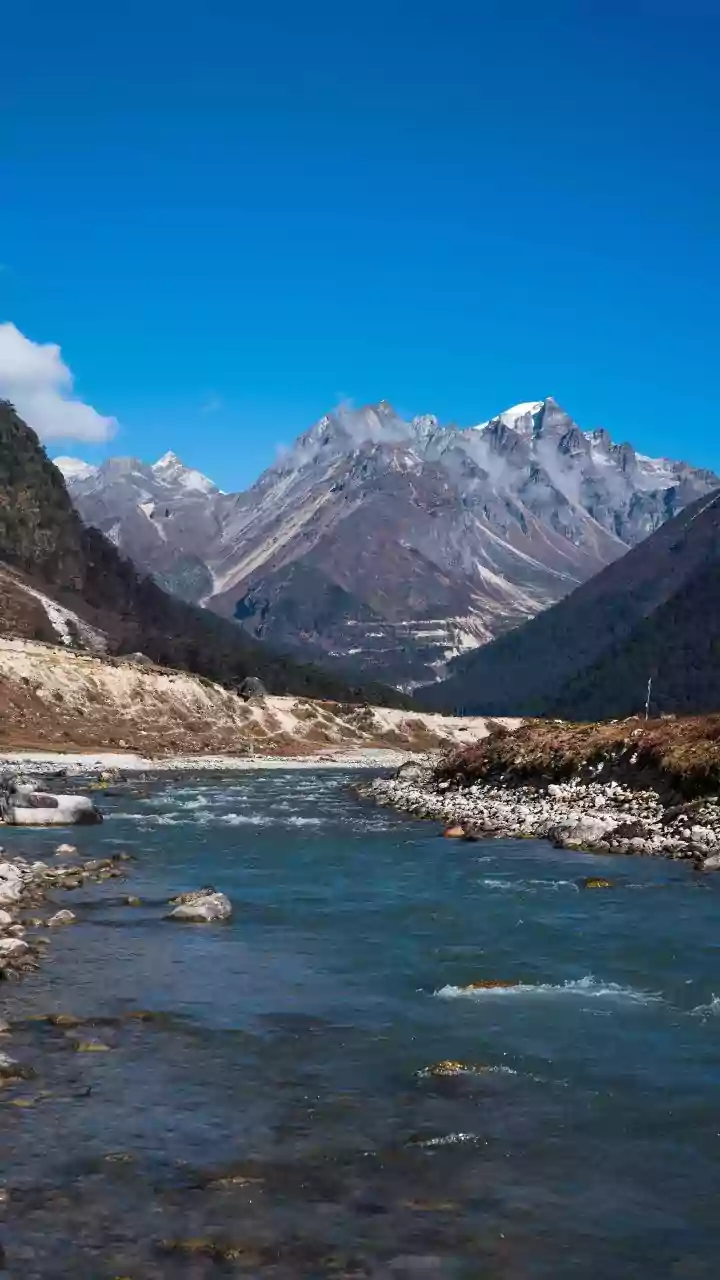
From Lachung, a picturesque mountain village at around 8,600 feet, you'll take a morning excursion to the Yumthang Valley. Often called the 'Valley of Flowers', Yumthang is famous for its vibrant rhododendron blooms in the spring. The valley also has a hot spring, known for its supposed therapeutic properties. Depending on road conditions and permits, some travellers opt to continue to Yumesamdong, or Zero Point, where the road ends and you are often surrounded by snow for most of the year. After exploring the valley, you'll return to Lachung for lunch and then begin the long drive back to Gangtok, arriving in the evening for a well-deserved rest at a lower altitude.
Day 6: Departure
On the final day of your tour, after breakfast in Gangtok, you will make the return journey to Bagdogra Airport (IXB) or NJP railway station for your onward travel. The drive takes around four to five hours, so it's wise to plan for an early start. This six-day structure provides a balanced mix of travel, sightseeing, and crucial acclimatisation time. While the journey involves long drives on challenging roads, the unparalleled beauty of North Sikkim, from its sacred lakes to its flower-filled valleys, makes it a truly rewarding adventure.