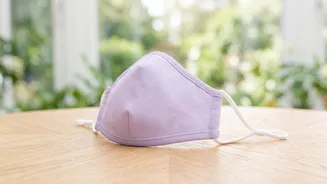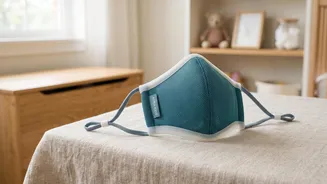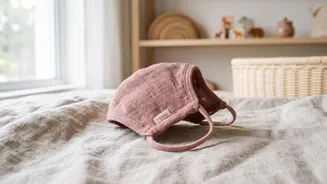




As pollution levels rise, protecting our children is a top priority. A mask is a crucial shield, but only if it fits correctly. This guide helps parents ensure their child's mask provides a proper seal, without turning it into a daily battle.
Why the Right Fit is Everything
When it comes
to pollution masks, fit is more important than almost any other factor. A certified N95 or KN95 mask is designed to filter out harmful PM2.5 particles, but it can only do its job if the air a child breathes passes through the filter material. If there are gaps around the nose, cheeks, or chin, polluted air will simply sneak in through the sides, rendering the mask ineffective. Studies have shown that a poor fit can reduce a mask’s filtering efficiency by up to 60%. An ill-fitting mask gives a false sense of security while offering very little real-world protection. It's crucial to select a mask specifically designed for a child's facial structure and to verify it creates a proper seal.
Start with a Child-Sized, Certified Mask
Adult masks, even in small sizes, are not designed for the geometry of a child's face. Their nose bridges are lower and their faces are smaller, meaning an adult mask will almost always leave significant gaps. For children over the age of five or six, paediatricians recommend looking for certified N95, KN95, or FFP2 respirators made in child-specific sizes. Check for certification marks printed on the mask itself and features like a soft inner layer and adjustable straps. It's important to note that no regulatory body has officially approved an 'N95 for kids', so these are typically smaller masks that meet the filtration standard. For children between two and five, masks should only be used for short periods under close adult supervision due to the risk of suffocation. Children under two should never wear a mask.
The Gentle Fit Check: A Step-by-Step Guide
Checking a mask's fit on a child requires patience and a gentle approach. Instead of a formal 'test', integrate these checks into the process of putting on the mask. 1. Settle the Mask: First, ensure the mask fully covers your child’s nose, mouth, and chin. The bottom edge should rest comfortably under the chin to secure it. 2. Mould the Nose Wire: The most critical seal is at the bridge of the nose. Use your fingertips to gently press the flexible nose clip so it conforms to the shape of your child's nose. This is the best way to prevent air from leaking upwards. 3. Check for Gaps: Look closely along the sides of the mask. It should sit flush against their cheeks without any visible openings. You can lightly run your finger along the edge to feel for gaps. 4. The Talk and Move Test: Ask your child to talk or move their jaw up and down. A well-fitting mask should stay in place and not slide down off the nose or ride up into their eyes. You can even have them jump up and down to see if it stays secure.
Visible Signs of a Poor Fit
Sometimes, the signs of a poor fit are obvious if you know what to look for. One of the most common indicators is foggy glasses, which means exhaled air is escaping upwards from a gap at the nose bridge. If you can feel air blowing toward their eyes or cheeks when they exhale, the seal is not secure. Another sign is constant readjustment; if your child is frequently touching or moving the mask, it's likely uncomfortable or slipping out of place. Finally, a mask that slides down easily or needs to be overtightened to the point of leaving deep red marks is either the wrong size or shape for your child's face.
Making Mask–Wearing a Positive Routine
A child who dislikes their mask will not wear it correctly. The key is to make the experience as comfortable and positive as possible. Allow your child to choose masks with their favourite colours or patterns, which can give them a sense of control. You can also decorate plain masks with fabric–safe markers or stickers. For younger children, normalise the experience by putting masks on their favourite dolls or stuffed animals. If the ear loops cause discomfort, try using a mask extender or a headband with buttons to hold the elastic instead. Always approach masking with a calm and reassuring tone, explaining in simple terms that it helps keep their lungs healthy and strong.