




A New Kind of Wildlife Experience
On the outskirts of Lucknow, within the 2,027-hectare Kukrail Reserve Forest, an innovative project is taking shape. India's first dedicated urban night safari is under construction, an initiative that recently received the final go-ahead from the Supreme
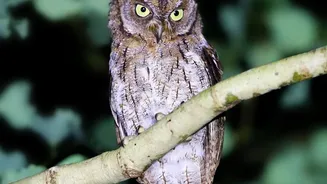
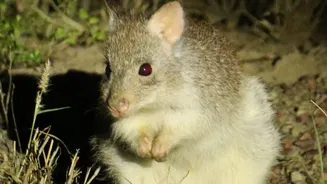
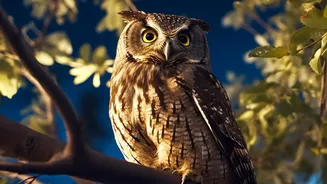
Court. Unlike traditional zoos that close at dusk, the Kukrail Night Safari will offer visitors a chance to see nocturnal animals during their most active hours. The core idea is to move beyond daytime viewing and provide an immersive after-dark experience. Visitors will be guided through the park on quiet, battery-operated trams, navigating trails under a specially designed lighting system that mimics moonlight to avoid disturbing the animals.
Inspired by Singapore, Built for India
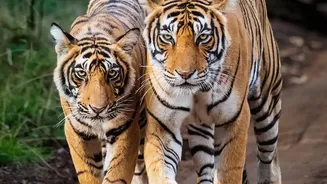
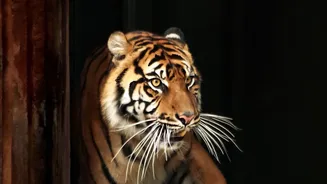
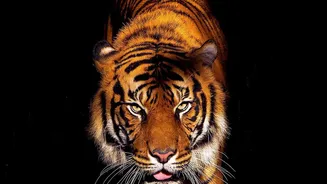
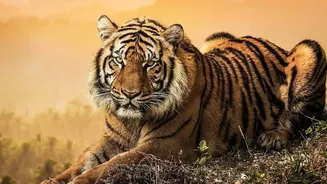
The project draws inspiration from the globally acclaimed Night Safari in Singapore, which pioneered the concept of a cageless, open-enclosure nocturnal zoo. However, Lucknow's version is set to be the largest in the world, sprawling over a significantly larger area than its Singaporean counterpart. The park will feature themed zones showcasing diverse habitats and will house animals like Asiatic lions, Bengal tigers, leopards, and sloth bears in naturalistic environments. This design philosophy aims to provide a more authentic and respectful way to observe wildlife, a stark contrast to the conventional enclosures of older zoos. The project combines tourism with stated goals of conservation, research, and education, featuring facilities like a 7D theatre and interpretation centres.
Balancing Conservation and Development
The journey to approval was not without challenges, taking years of scrutiny due to the project's location within an ecologically sensitive reserve forest. While the night safari and a new day zoo have been approved, the initial proposal to entirely relocate the existing Nawab Wajid Ali Shah Zoological Garden from the city centre was rejected by the Central Empowered Committee (CEC). The committee cited the existing zoo's role as a vital green lung in the heart of Lucknow. Strict environmental safeguards have been mandated, and a CEC member will periodically inspect the site to ensure compliance. The project will be developed on unused open areas to preserve the integrity of the Kukrail forest, which is already home to India's oldest gharial breeding centre.
The Future of Urban Eco-Tourism
The Kukrail Night Safari represents a significant shift in how Indian cities approach tourism and public spaces. As urban areas expand, the demand for accessible nature and wildlife experiences is growing. This project aims to meet that demand by integrating a large-scale wildlife facility directly into the urban fabric. If successful, it could serve as a blueprint for other Indian cities looking to create similar attractions. By offering more than just heritage and spiritual tourism, Uttar Pradesh aims to diversify its offerings and attract a wider range of domestic and international visitors. The safari is not just an attraction; it's an experiment in blending modern recreation with environmental consciousness, potentially creating a new category of destination that is both wild and urban.