





A New Gifting Philosophy
Across India, a quiet but powerful shift is happening in how festive gifts are chosen and exchanged. For Generation Z, the generation born between the late 1990s and early 2010s, the era of throwaway presents and excessive plastic packaging is fading.
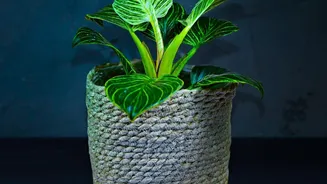
In its place is a preference for gifts with purpose and longevity. This includes zero-waste hampers, thoughtfully curated with reusable items, and the simple, enduring gift of a potted plant. Instead of bouquets that wilt in days, they are giving friends a plant that can grow with their relationship. This move isn't just a niche trend; it reflects a deeper change in consumer values, where meaning and mindfulness are prized over mass-produced novelty.
Driven by Conscious Consumerism
At the heart of this trend is a heightened awareness of environmental issues. Gen Z has grown up with daily headlines about climate change, plastic pollution, and overflowing landfills—problems that are visibly magnified during festival seasons. This awareness has fostered a strong sense of moral responsibility, leading them to reject wasteful practices. Studies show that a significant majority of Gen Z consumers are willing to pay more for sustainable products. They are actively seeking out brands that use eco-friendly materials and minimalist packaging. Choosing a zero-waste hamper or a green gift is a direct expression of these values; it’s a way to celebrate without contributing to the environmental burden.
The Search for Authenticity and Connection
Beyond environmental concerns, this generation craves authenticity. In a digital world saturated with fleeting trends, a gift that is personal and lasting stands out. A potted plant, for instance, is seen as a living symbol of growth and permanence, a sweet reminder of a relationship. It requires care and attention, mirroring the nurturing of a friendship. Similarly, zero-waste hampers are often filled with handmade, artisanal, or locally sourced products that tell a story. This generation values the thought and intention behind a gift far more than its price tag. It’s a move away from generic, impersonal presents toward something that feels uniquely chosen for the recipient.
Practicality and Long-Term Value
Gen Z is also a pragmatic generation, often navigating financial uncertainties while aspiring for stability. They seek value in their purchases, and this extends to gifting. While a sustainable gift might sometimes cost more upfront, it is often perceived as having better long-term worth. A reusable container from a hamper finds a new purpose in the kitchen, a high-quality copper bottle becomes a daily companion, and a potted plant becomes a long-lasting piece of home decor. This contrasts sharply with traditional gift items that are used once and discarded. This mindset is less about being frugal and more about being smart and intentional with spending, ensuring that a gift is genuinely useful and appreciated.
The Influence of Social Media and Wellness
The visual and community-driven nature of social media has also played a role. The rise of the "plant parent" aesthetic on platforms like Instagram has made indoor plants a trendy and desirable addition to any living space. Sharing images of beautiful, green interiors and eco-conscious lifestyles helps normalise and popularise these choices. Furthermore, plants and wellness-oriented products—like herbal teas or essential oils often found in sustainable hampers—tap into a broader focus on health and self-care. For many in Gen Z, giving a gift that promotes well-being and a connection to nature is the ultimate expression of care.