

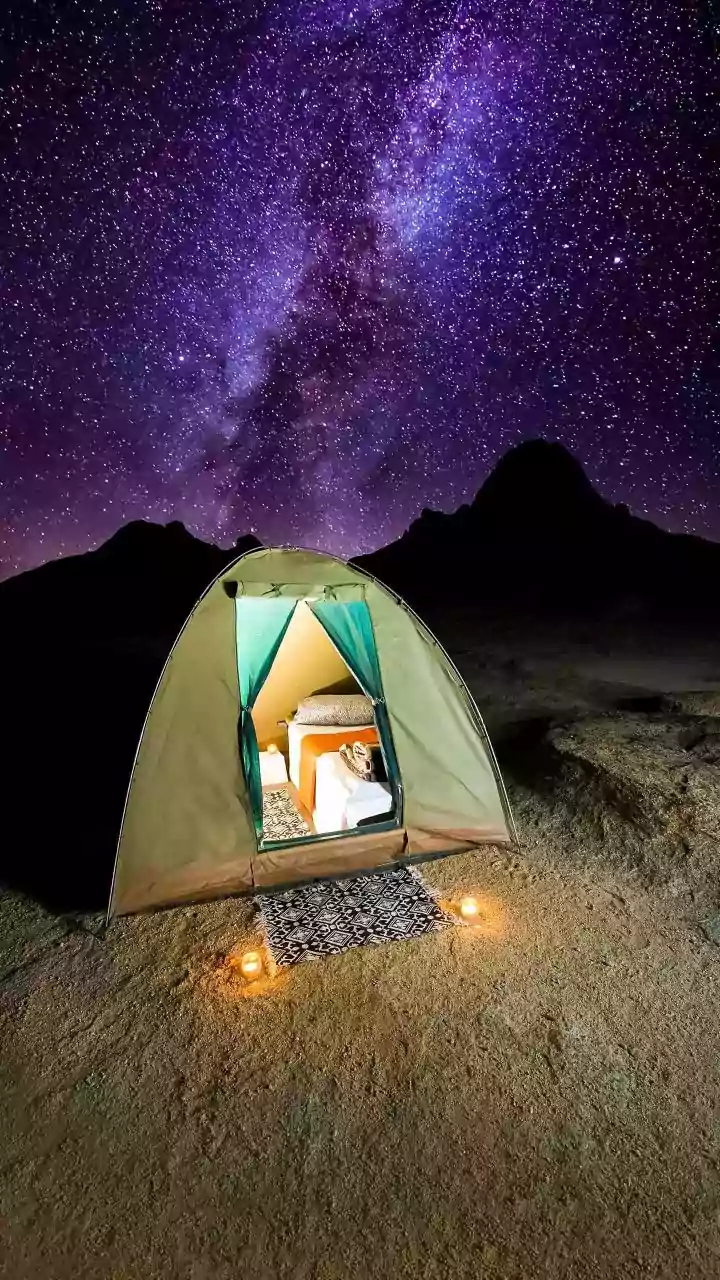







More Than Just a Buzzword
You’ve likely heard the terms: 'ecotourism,' 'sustainable travel,' 'regenerative travel.' While they may sound like marketing jargon, they represent a real and growing desire for more intentional travel. So what’s the difference? Sustainable travel is the baseline,
aiming to minimize negative impacts on the environment, culture, and economy. Ecotourism is a subset of this, focused specifically on travel to natural areas that conserves the environment and improves the well-being of local people. The newest evolution, regenerative travel, takes it a step further. Instead of just doing no harm, the goal is to actively leave a place better than you found it—whether by participating in habitat restoration or supporting businesses that directly fund community projects. The common thread is a conscious choice to make your travel footprint a positive one.
What's Driving the Green Wave?
This isn't just a niche trend for hardcore environmentalists. Several factors are pushing nature-friendly travel into the mainstream. Post-pandemic, many Americans re-evaluated their priorities, seeking more meaningful and authentic experiences over mass-produced tourism. There’s also a powerful generational shift. Younger travelers, particularly Millennials and Gen Z, consistently report that a company's environmental policies impact their booking decisions. They've grown up with an acute awareness of climate change and are putting their money where their values are. Finally, travelers are simply tired of the 'overtourism' that has plagued popular destinations, leading to a search for quieter, more unique getaways that offer a genuine connection to a place and its people, rather than just a photo op.
Agritourism: A Taste of the Land
One of the most accessible forms of nature-friendly travel is agritourism. This involves any agriculturally based activity that brings visitors to a farm or ranch. Think staying in a beautifully restored barn on a working farm in Vermont, picking your own peaches at an orchard in Georgia, or learning about winemaking from the vintner themselves in California's wine country. These trips are hyper-local, drastically shortening the distance from farm to table and giving you a deep appreciation for where your food comes from. By staying and spending your money at these farms, you directly support local agriculture and help preserve rural landscapes and lifestyles.
Conservation Travel: Vacation with a Purpose
For those who want to get their hands dirty, conservation travel offers the chance to actively participate in protecting wildlife and restoring ecosystems. This isn't your typical beach vacation. Instead, you might spend a week helping biologists track sea turtle nests on the coast of Florida, restoring native plant species in a national park in Utah, or working with a sanctuary that rehabilitates injured wildlife. These trips are often led by experts and scientists, providing an incredible educational component. The experience offers a profound sense of accomplishment, knowing your vacation time directly contributed to a tangible environmental benefit.
Low-Impact Adventures: Leave No Trace
You don't have to volunteer to be a nature-friendly traveler. Simply choosing low-impact activities makes a huge difference. Think backpacking, kayaking, cycling, or bird-watching instead of energy-intensive options like helicopter tours or jet skiing. The key philosophy is 'Leave No Trace,' a set of principles that includes packing out everything you pack in, respecting wildlife from a distance, and sticking to marked trails to prevent erosion. This approach allows you to immerse yourself in stunning natural beauty—from the quiet forests of the Pacific Northwest to the serene waterways of the Everglades—while ensuring those places remain pristine for generations to come.
Community-Based Tourism: Empowering Locals
A huge part of sustainable travel is ensuring that the economic benefits stay within the local community. Community-based tourism puts this idea front and center. It involves experiences owned and operated by the community members themselves, rather than large, outside corporations. This could mean taking a cooking class in a local's home, hiring a guide from the village to lead a hike, or staying in a small, family-owned guesthouse. This model provides authentic cultural exchange and ensures that your tourism dollars are directly supporting the people whose home you are visiting, empowering them to preserve their culture and environment on their own terms.