

Curating Your Tea Selection
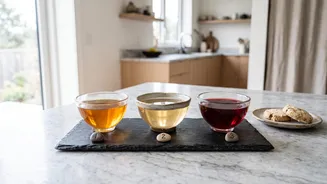
A successful tea tasting, often called a tea flight, relies on variety. Aim to select three to five different teas that showcase a range of profiles. A good starting order is to move from the most delicate teas to the most robust to avoid overwhelming
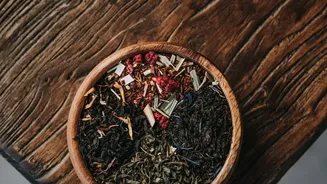
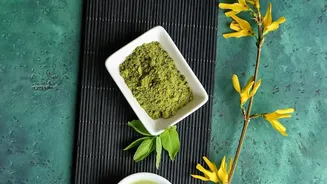
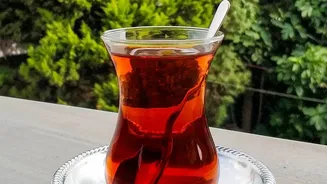
the palate. Begin with a light white or a fresh green tea, known for their subtle, grassy, or floral notes. Next, introduce an oolong, which can vary from light and floral to dark and roasted. Follow this with a full-bodied black tea, such as a malty Assam or a fragrant Darjeeling. Finally, you might include a caffeine-free herbal tisane like chamomile or peppermint to round out the experience. Using loose-leaf tea often provides a richer flavour, but high-quality tea sachets are also a great option.
Setting the Scene for Sipping
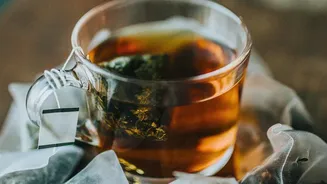
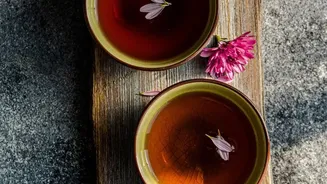
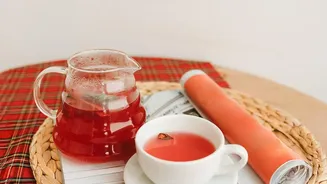
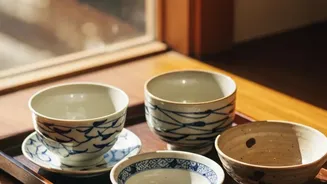
You don’t need elaborate equipment to create a lovely atmosphere. The essentials include a kettle (one with temperature control is ideal), small tasting cups of about 2-3 ounces, and a teapot or infuser for each tea. Using white or clear cups allows guests to appreciate the unique colour of each brew. To ensure you’re getting the best flavour, pay attention to water temperature and steeping times, which vary by tea type. Green teas brew best in cooler water (around 80°C), while black and herbal teas can handle near-boiling water. Set out notecards and pens so guests can jot down their thoughts on aroma, flavour, and finish. Providing water and plain crackers as a palate cleanser between tastings is also a thoughtful touch.
The Principles of Pairing
Pairing food with tea follows two simple principles: complementing or contrasting flavours. Complementary pairings match similar flavour profiles, like a citrusy Earl Grey with a lemon tart. Contrasting pairings use the tea to cut through richness, such as a brisk black tea to cleanse the palate after a creamy dish. The most important rule is to match intensity; delicate teas are best with light foods, while strong teas can stand up to richer fare. Don't be afraid to experiment, as personal preference is the ultimate guide. The goal is to find combinations where both the tea and the food are enhanced.
Savoury Vegetarian Snack Pairings
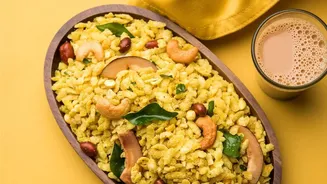
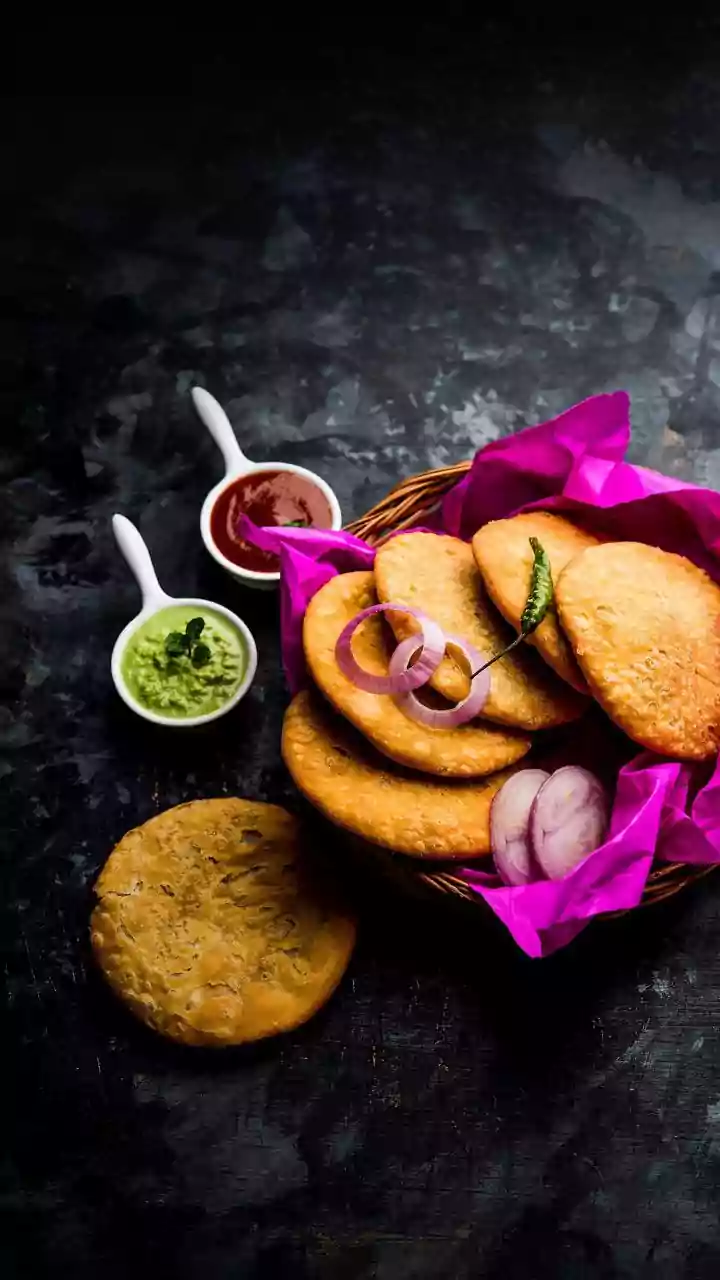
For your savoury course, classic finger sandwiches are a perfect starting point. Try a refreshing cucumber and mint chutney sandwich, which pairs beautifully with a delicate green tea. A spiced chickpea salad filling or a paneer bhurji sandwich offers a heartier bite that stands up well to a robust masala chai or Assam black tea. For something different, consider dhokla, a savoury steamed cake from Gujarat, whose light, spongy texture complements herbal teas. Other excellent options include baked samosas, paneer pakoras, or a simple sprouts salad with chaat masala. Roasted papad with a fresh salsa offers a light, crunchy, and low-carb alternative.
Delightful Sweet Vegetarian Treats
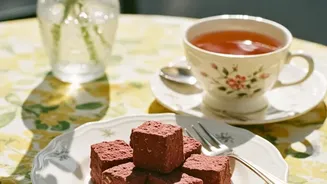
When it's time for sweets, the pairing possibilities are just as exciting. Lightly floral teas like jasmine or chamomile are wonderful with simple fruit tarts or light pastries. A malty black tea is a classic partner for anything chocolatey, from a rich brownie to a dark chocolate mousse. For a classic high-tea feel, you can't go wrong with scones, which can be paired with a variety of black or oolong teas. Almond or nutty biscuits complement the roasted notes in some oolongs and black teas, while fruit-based desserts like mango mousse or lemon bars are enhanced by citrus-forward teas like Earl Grey. For a simple, healthy option, a selection of dried figs, dates, or roasted almonds can be a perfect, no-fuss accompaniment to nearly any tea.
Guiding Your Guests Through the Tasting
As the host, your role is to gently guide the experience. You don’t need to be a certified expert. For each tea, start by having guests observe the dry leaves, noting their shape and aroma. Once brewed, encourage them to look at the colour of the liquor before smelling the tea's fragrance. Finally, it’s time to taste. A fun tip is to 'slurp' the tea slightly; this aerates the liquid and helps distribute it across the palate, revealing more complex flavours. Encourage discussion by asking what notes everyone is detecting—are they floral, fruity, earthy, or spicy? There are no wrong answers, and sharing perceptions is part of the fun.