


From Street Food to Home Staple
Not long ago, momos were primarily an out-of-home treat. They were the quick bite from a street-side vendor, the shared appetiser at a pan-Asian restaurant, or the taste of the mountains savoured on a holiday. But a quiet culinary revolution has been
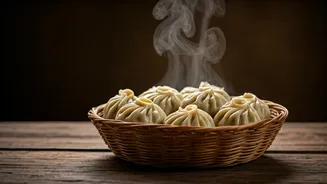
steaming away in our homes. Sparked by lockdowns that turned many of us into amateur chefs and fueled by a desire for both hygiene and connection, the homemade momo trend has firmly taken root. Social media feeds bloomed with images of pleated dumplings, from perfectly uniform creations to charmingly lopsided first attempts. The hashtag #HomemadeMomos became a testament to a collective craving—not just for the food itself, but for the activity.
The Slow Magic of Making
The true comfort of the homemade momo lies in the process. It's a deliberate, almost meditative act. It begins with the simple, satisfying work of kneading a soft, pliable dough. Then comes the chopping of the filling—the crisp crunch of cabbage, the sharp aroma of ginger and onions, the savoury depth of minced chicken or paneer. It’s an exercise in patience and precision that stands in stark contrast to our fast-paced, instant-gratification world. Each step, from rolling out the tiny, perfect circles of dough to carefully spooning in the filling, is an invitation to slow down and be present. In a world of notifications and deadlines, the focused act of folding a momo is a form of mindfulness you can eat.
An Artform for the Whole Family
More than a solo pursuit, making momos is inherently communal. It’s an all-hands-on-deck affair that pulls family members into the kitchen. Picture this: one person rolling the wrappers, another expertly filling them, and the kids trying their best to master the intricate pleats. There's laughter, a bit of friendly competition over who has the best folding technique, and a shared sense of accomplishment as the steamer fills up. It revives the age-old tradition of communal cooking, creating memories that linger long after the last dumpling has been devoured. This shared experience is the secret ingredient, transforming a simple dish into a vessel for bonding and togetherness.
Your Momo, Your Rules
While classic steamed chicken or vegetable momos will always have our hearts, the beauty of the homemade trend is the freedom to innovate. Making them at home opens up a universe of customisation. Health-conscious families are swapping refined flour for whole wheat or multigrain atta and packing fillings with extra vegetables. Adventurous cooks are experimenting with everything from paneer tikka and spicy soya fillings to decadent chocolate momos for dessert. The accompanying chutney, a non-negotiable part of the momo experience, also gets a personal touch, with families perfecting their own secret recipes for the fiery red dip. This ability to tailor the dish to personal tastes and dietary needs has been a huge driver of its popularity.
A Steaming Plate of Nostalgia
Ultimately, the homemade momo trend is about recreating a feeling. For some, it's nostalgia for a trip to the hills of Darjeeling or Sikkim. For others, it's the comfort of a familiar street food, now made safe and wholesome in their own kitchen. Each perfectly steamed parcel is a bite of reassurance, a tangible product of time and effort spent with loved ones. It’s the satisfaction of mastering a skill, the joy of sharing a meal you created together, and the simple, profound comfort of a warm plate of food on a rainy day. The trend isn't just about what's in the steamer; it's about the warmth that fills the home while it's on.