



From Heirloom to Everyday Chic
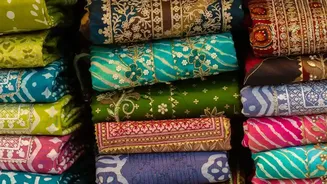
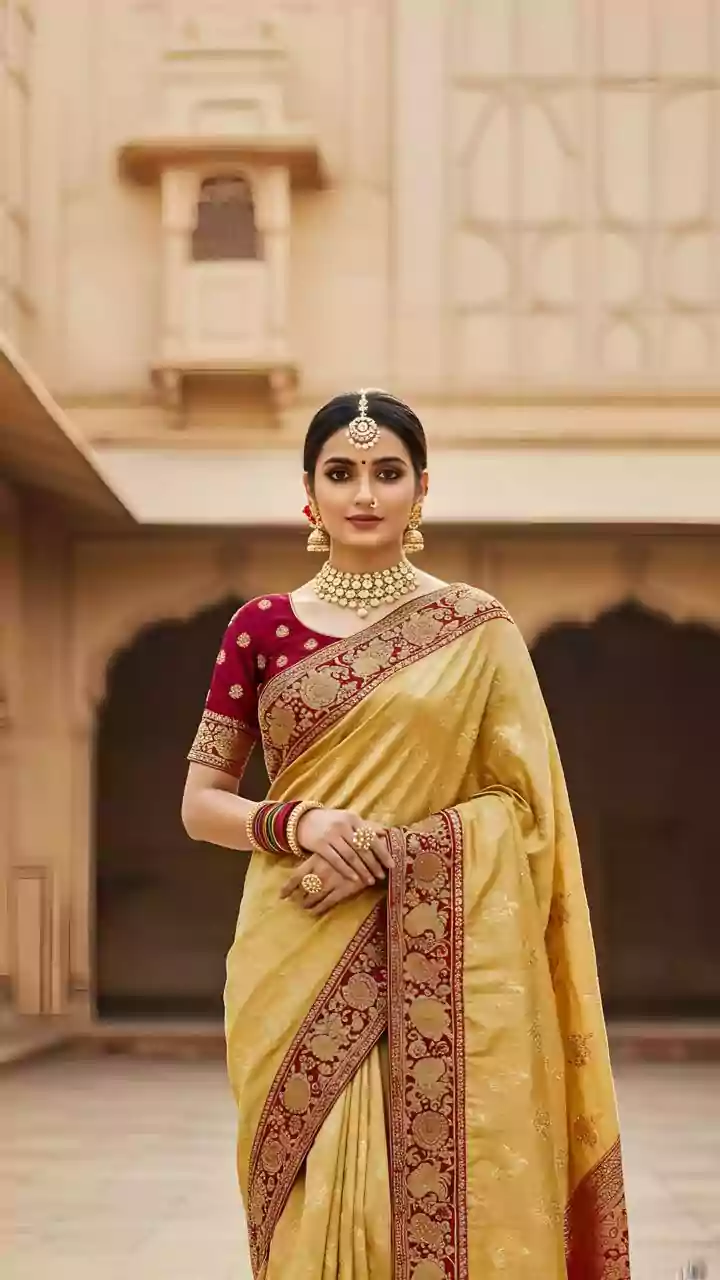
For years, handwoven textiles like Banarasi silk, Chanderi, and Jamdani were often associated with sarees and occasion wear, carefully stored for weddings and festivals. But that perception is rapidly changing. Young consumers in India are now looking
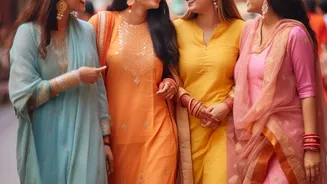
for authenticity and a connection to their roots, finding it in the rich stories woven into regional fabrics. This shift isn't about abandoning global trends, but about integrating heritage into a modern wardrobe. Instead of seeing handloom as something reserved for their mothers' generation, they see it as a form of self-expression. This newfound appreciation is driven by a desire for individuality in a world of fast fashion, along with a growing awareness around sustainable choices.
The Designer-Led Reinvention
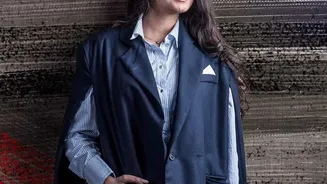
The bridge between tradition and trend is being built by contemporary Indian designers. Labels like Raw Mango, 11.11/eleven eleven, and Ekaya Banaras are at the forefront, reinterpreting what handloom can be. They are moving beyond predictable silhouettes and using these venerable textiles to craft garments that fit a modern lifestyle. Imagine a sharp blazer made from Khadi, a structured dress from Banarasi brocade, or a breezy co-ord set made of Jamdani. Designers are experimenting with modern cuts, innovative drapes, and unexpected pairings—like pairing a handwoven jacket with denim or styling a saree with sneakers. This approach makes heritage fabrics feel less like museum pieces and more like versatile, wearable art.
Weaving a Sustainable Future
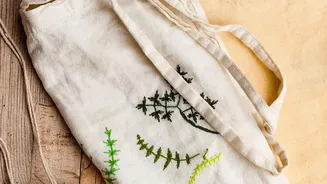
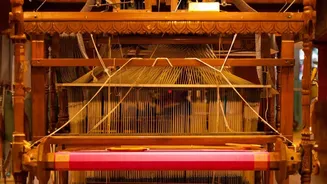
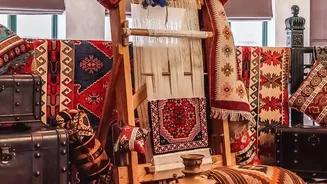
The handloom revival aligns perfectly with the global conversation on sustainable and ethical fashion. Handloom production has an inherently low carbon footprint, often using natural fibres and dyes, and relying on human energy rather than electricity. For a growing number of young, environmentally-conscious consumers, choosing handloom is a deliberate rejection of the wasteful cycle of fast fashion. It's a vote for 'slow fashion'—garments made with skill, intended to last, and carrying the unique imprint of the artisan who created them. This focus on craftsmanship and traceability empowers artisan communities across India, ensuring that age-old skills are not only preserved but also valued in the modern economy.
A Tapestry of Regional Identity
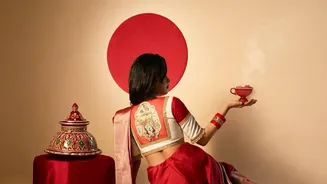
This trend is not monolithic; it celebrates the incredible diversity of India's textile traditions. Designers are collaborating with weaving clusters from across the country, bringing regional specialities into the mainstream. This includes delicate Jamdani from West Bengal, geometric Ikat from Odisha, airy Chanderi from Madhya Pradesh, and rich brocades from Varanasi. Some brands are even focusing on lesser-known textiles from regions like Nagaland and Mizoram, transforming them into contemporary couture. By giving these regional textiles a platform, designers are creating a fashion landscape that is uniquely Indian yet globally appealing, proving that tradition and modernity can be woven together beautifully.