




The Great Rain-Shadow Escape
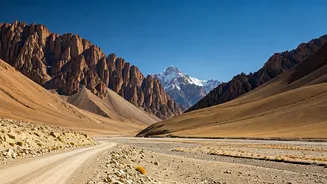
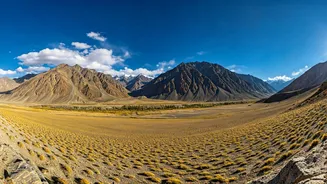
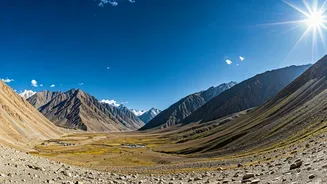
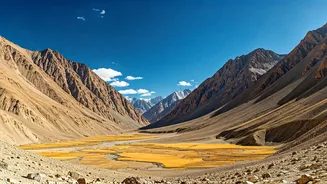
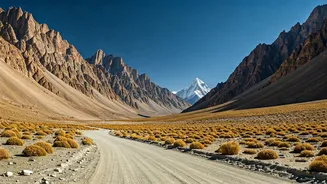
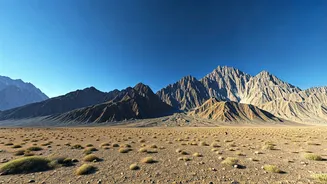
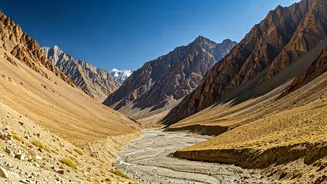
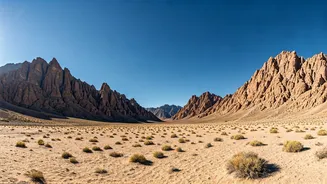
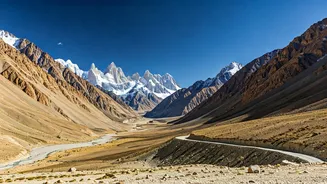
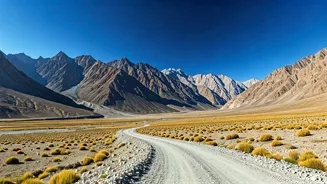
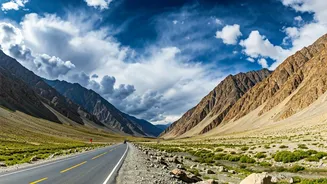
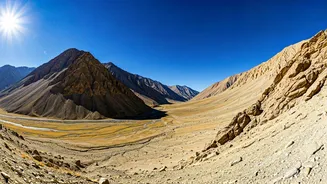
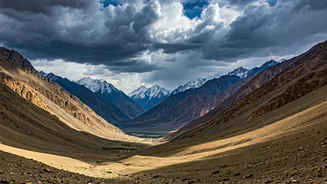
While the rest of the country embraces lush greenery and torrential downpours, Spiti Valley offers a dramatic contrast. Located in a rain-shadow region of the Himalayas, this cold desert is shielded from the monsoon clouds by towering mountain ranges.
The result is a landscape that receives minimal rainfall, even in the peak monsoon months of July and August. Instead of grey skies and humidity, you get brilliant sunshine, clear air, and breathtakingly stark vistas. The valley, with its barren mountains, deep gorges, and patches of green around irrigated villages, feels like a different planet. It’s not just an escape from the rain; it’s an entry into a world of raw, high-altitude beauty where the sun shines bright and the nights reveal a universe of stars.
Choosing Your Path to Paradise
Reaching Spiti during the monsoon is an adventure in itself, and your choice of route is critical. There are two main paths to Kaza, the main town in Spiti. The first is via Shimla and Kinnaur. This route is longer but remains open for most of the year. It is the highly recommended option for monsoon travel because the ascent is gradual, which is crucial for acclimatization, and it is generally more reliable. The second route is from Manali via the Rohtang and Kunzum passes. While shorter and more dramatic, this path is riskier during monsoon. The approach roads around Manali receive heavy rain, making them prone to landslides and blockages. Whichever route you choose, planning buffer days is essential, as road closures for a few hours or even a day are a real possibility. The journey is as much a part of the Spiti experience as the destination itself.
What to See in the Land of Lamas
Once you are in the valley, a treasure trove of experiences awaits. Spiti is a hub of ancient Tibetan Buddhist culture. You can visit some of the world's oldest monasteries, like the Key Monastery, perched spectacularly on a hilltop; Tabo Monastery, a UNESCO World Heritage site known for its stunning murals; and Dhankar Monastery, which seems to cling precariously to a cliff. The adventure continues with visits to some of the highest inhabited villages in the world. In Hikkim, you can send a postcard from the world’s highest post office. Langza, known as the 'fossil village', offers a chance to find ancient marine fossils in the mountains. And Komic, one of the highest motorable villages, provides views that will leave you speechless. For nature lovers, the stunning Chandratal, or 'Moon Lake', is a must-see, although its accessibility in the monsoon depends on road conditions.
Travel Smart: High-Altitude Essentials
Traveling to a high-altitude desert requires careful preparation. The biggest challenge is Acute Mountain Sickness (AMS). To prevent it, acclimatize properly. This means ascending slowly, which is why the Shimla route is preferable. Spend your first few nights at lower altitudes like Kalpa or Tabo before moving to Kaza (around 12,500 feet). Drink plenty of water—three to four litres a day—and avoid alcohol for the first few days. When it comes to packing, think in layers. Days can be warm and sunny, but nights get cold. Sunscreen, sunglasses, and a hat are non-negotiable due to the harsh sun at this altitude. Carry enough cash, as ATMs in Kaza are unreliable. Indian citizens do not need a special permit to visit most of Spiti, but carrying a valid government ID is mandatory for registrations at various checkpoints.