



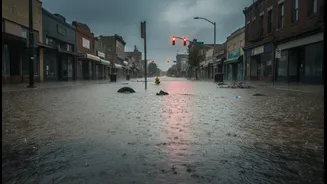




The Annual Urban Deluge
Year after year, the story repeats itself. A few hours of intense rain bring cities like Mumbai, Chennai, and Bengaluru to a standstill. The problem is a combination of factors: outdated drainage systems built for much lighter rainfall, rampant concretization
that prevents water from seeping into the ground, and the destruction of natural sponges like lakes and wetlands. Most urban storm drains in India were designed to handle only 12-20 mm of rain per hour, a fraction of the intense bursts common today due to climate change. With natural escape routes blocked and drains choked by waste, the water has nowhere to go but onto the streets.
Wisdom from the Abode of Clouds
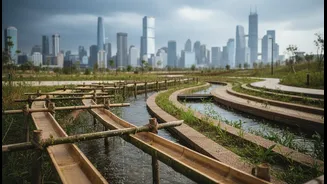
In the hills of Meghalaya, one of the wettest places on Earth, the Khasi and Jaintia tribes have spent centuries perfecting the art of living with water. Their most famous creations are the 'Jingkieng Jri', or living root bridges. These are not built, but grown. By guiding the aerial roots of the Ficus elastica tree across rivers using bamboo scaffolding, communities create structures that grow stronger over time, lasting for centuries and becoming more resilient with age. But Khasi wisdom extends beyond these bridges. It includes an entire system of water management, such as using bamboo pipes for drip irrigation that transports water over hundreds of metres with precision, demonstrating a deep understanding of gravity, hydrology, and working in harmony with nature.
When Concrete Fails, Nature Endures
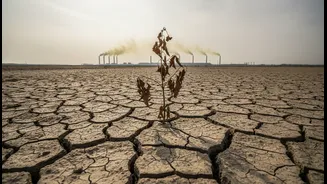
The core principle of Khasi engineering is to work with nature's processes, not against them. While a concrete bridge resists the force of a flood, a living root bridge allows water to pass through and adapts, its living structure holding the soil together and preventing erosion. This philosophy stands in stark contrast to modern urban design, which has historically relied on 'grey' infrastructure—concrete channels and pipes—to expel water as quickly as possible. This approach not only fails during extreme weather but also depletes groundwater by preventing natural recharge. As cities grapple with both flooding and water scarcity, the limitations of this purely man-made approach are becoming painfully clear.
A Bio-Engineered Blueprint for Cities?
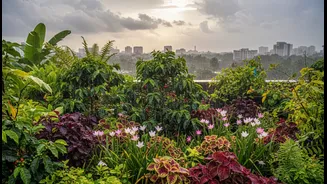
Municipalities are not planning to grow living root bridges across city roads. Instead, they are exploring the principles behind this traditional knowledge. The idea is to integrate 'nature-based solutions' into urban planning. This can take many forms: creating 'sponge parks' that absorb excess rainwater, using permeable pavements that allow water to seep through, restoring urban wetlands and lakes to act as natural flood buffers, and creating bioswales (vegetated channels) along roadsides. Cities like Chennai and Mumbai have already started experimenting with these concepts. Chennai is developing dozens of sponge parks, while Mumbai's new development plans include measures like green rooftops and permeable footpaths. These projects mimic the Khasi approach by creating resilient, living infrastructure that manages water instead of just draining it.
The Challenges of Going Green
Adopting this ancient wisdom in a modern megacity is not without its hurdles. Nature-based solutions require a different kind of expertise than conventional civil engineering. They often need more space, a scarce commodity in dense urban areas. Furthermore, these systems require consistent community involvement and maintenance, a departure from the 'build-and-forget' model of grey infrastructure. There are also significant financial and regulatory challenges to overcome. India's policies are still catching up with the potential of bio-engineering and sustainable design, and scaling up pilot projects requires substantial investment and political will.