




Choose the Right Pot and Variety
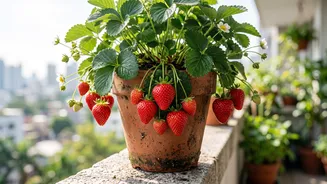
Success starts with the right foundation. For strawberries, this means a container with excellent drainage to prevent root rot. Look for pots at least 20-30 cm deep and wide enough to give roots room to spread. Terracotta, fabric grow bags, and hanging
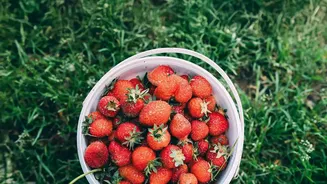
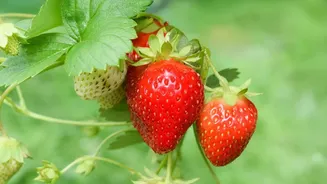
baskets are all great choices. Equally important is the variety. While any strawberry can grow in a pot, everbearing and day-neutral types are ideal for balconies. Unlike June-bearing varieties that produce one large crop, these types provide a steady supply of fruit throughout the season. Popular container-friendly varieties include 'Albion', 'Seascape', and 'Tristar', which are known for their long harvest season and delicious flavour.
How to Select a Healthy Plant
When you're at the nursery, inspect plants carefully. Look for vibrant, green leaves free from yellowing, spots, or signs of pests. Purple spots with grey centres can indicate leaf spot disease. A healthy plant will have a well-developed crown—the short, thick stem at the base where leaves emerge—that is firm and free of rot. If you can, gently check the roots; they should be white or light tan and not dark brown or mushy. Nurseries that offer virus-indexed plants provide an extra layer of assurance that your plants are disease-free from the start. You can buy either dormant bare-root plants or actively growing potted plants.
The Ideal Soil and Planting Method
Strawberries thrive in a loose, well-draining soil that is rich in organic matter. Never use heavy garden soil in pots, as it compacts easily and can lead to waterlogged roots. Instead, use a high-quality potting mix, ideally one formulated for berries or edibles. You can create your own by mixing potting soil with compost and perlite to improve aeration and drainage. When planting, the most critical rule is to keep the crown at or just above the soil level. If buried too deep, the crown will rot; if planted too high, the roots will dry out. After placing the plant, gently firm the soil around it and water thoroughly to settle everything in place.
Essential Care: Sun, Water, and Food
Strawberries are sun-lovers and need at least six to eight hours of direct sunlight each day to produce abundant, sweet fruit. A south-facing balcony is often ideal. Consistent watering is the biggest challenge for container strawberries, as pots dry out much faster than garden beds. Check the soil daily by inserting your finger about an inch deep; if it feels dry, it's time to water. Water the base of the plant to keep the leaves and fruit dry, which helps prevent fungal diseases. Strawberries are also heavy feeders. Start with a balanced, slow-release fertiliser mixed into your soil at planting time, then feed every few weeks during the growing season with a liquid fertiliser rich in potassium to support flowering and fruiting.
Managing Runners and Common Problems
Your strawberry plants will send out 'runners,' which are long stems that try to create new plants. While great for filling a garden bed, in a pot, they drain energy from the main plant. For the best fruit production, it's wise to snip off most runners as they appear. Keep an eye out for common issues like yellowing leaves, which can signal a nutrient deficiency or improper watering. If you notice your berries are very small, it could be due to stress from inconsistent watering, overcrowding, or not enough sunlight. Ensuring your plants have the right conditions from the start is the best way to prevent these problems and enjoy a healthy harvest.