






1. Build Your Foundation: The Core
Think of your core as the powerhouse for your yoga practice. It’s not about achieving six-pack abs, but about creating stability for almost every asana you’ll perform. A strong core supports your spine, prevents lower back pain, and is the secret to holding
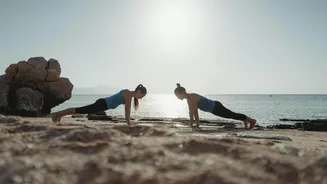
balancing poses like Tree Pose (Vrikshasana) or more advanced arm balances. When your core is engaged, you distribute effort throughout your body, reducing strain on your wrists and shoulders in poses like Plank and Downward-Facing Dog (Adho Mukha Svanasana). How to Start: Incorporate simple, effective core work into your daily routine. Begin with the Plank Pose. Aim to hold it for 30 seconds, focusing on keeping your body in a straight line from head to heels. Don’t let your hips sag or rise too high. Another excellent pose is Boat Pose (Navasana). Sit on the floor, lean back slightly, and lift your feet off the ground, balancing on your sit bones. Even holding for 15-20 seconds with your knees bent will build immense foundational strength.
2. Unlock Your Hips for Deeper Poses
Many of us spend hours sitting at desks or in cars, which leads to tight hips. This tightness can restrict movement in a surprising number of yoga poses, from a simple cross-legged seat to deeper postures like Pigeon Pose (Eka Pada Rajakapotasana). When your hips are tight, your body often compensates by putting pressure on your knees or lower back, increasing the risk of injury. Working on hip flexibility will not only make poses more accessible but also relieve tension stored in the pelvic region. How to Start: Gentle is the key. Start with Cobbler’s Pose (Baddha Konasana). Sit on the floor, bring the soles of your feet together, and let your knees fall out to the sides. You don’t need to force them down; just let gravity do the work. Another great stretch is a low lunge (Anjaneyasana). From all fours, step one foot forward between your hands and slide the back knee down. You should feel a gentle stretch in the front of your back hip. Hold each stretch for 30-60 seconds, breathing deeply into any tightness.
3. Focus on Foundational Strength
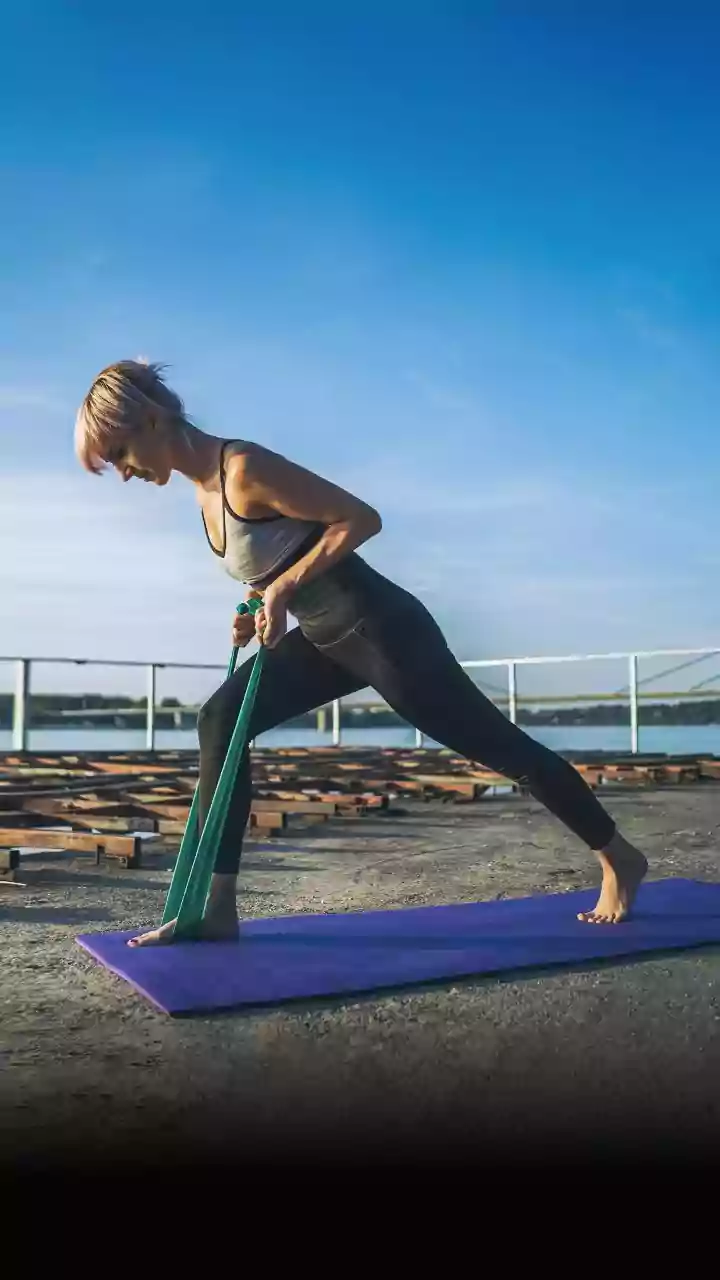
Beyond the core, building strength in your legs and upper body is crucial for a sustainable yoga practice. Strong legs provide the base for all standing poses, from the Warrior series (Virabhadrasana) to Triangle Pose (Trikonasana). Upper body strength is essential for supporting your weight in poses like Downward-Facing Dog and for transitioning smoothly between postures in a vinyasa flow. Building this strength beforehand will reduce fatigue and help you hold poses with integrity and ease. How to Start: You don't need weights. Bodyweight exercises are perfect. For leg strength, practice Chair Pose (Utkatasana). Stand with your feet together, bend your knees, and sink your hips as if sitting in a chair. For the upper body, modified push-ups (on your knees) or even just holding a strong Plank Pose will build shoulder and arm strength. The key is consistent, controlled movements.
4. Connect with Your Breath (Pranayama)
Yoga is not just about physical postures; it's a union of breath, body, and mind. The practice of controlling your breath is called pranayama, and it is the bridge between the physical and mental aspects of yoga. Learning to breathe deeply and consciously calms the nervous system, increases oxygen flow to your muscles, and helps you stay present and focused on the mat. When you coordinate your breath with movement, your practice transforms from a simple workout into a moving meditation. How to Start: Begin with Sama Vritti, or Equal Breathing. Find a comfortable seated position. Close your eyes and start to notice your natural breath. Then, begin to count your inhales and exhales. Inhale for a count of four, and then exhale for a count of four. Practice this for 3-5 minutes each day. It’s a simple but powerful tool to bring calm and focus, both on and off the mat.
5. Cultivate Consistency Over Intensity
The single most important tip for preparing for Yoga Day is this: a little bit every day is far more effective than one long, exhausting session once a week. Consistency builds muscle memory, gently increases flexibility, and reinforces the mind-body connection. You don’t need a full 90-minute class every day. A dedicated 15-20 minute practice can be transformative. This approach helps you build a sustainable habit rather than burning out before the big day arrives. How to Start: Create a simple daily sequence. You could do a few rounds of Cat-Cow, followed by a Downward-Facing Dog, a low lunge on each side, and finish in a comfortable seated position with a few minutes of Equal Breathing. This short routine touches on spinal mobility, strength, flexibility, and breathwork, creating a well-rounded foundation for any Yoga Day celebration you choose to join.