





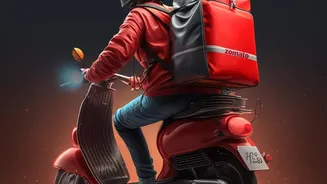
The launch of Grand Theft Auto VI was more than just a gaming event; it was a global cultural phenomenon. As millions of players settled in for marathon sessions, an unexpected winner emerged: the food delivery industry.
A Entertainment Juggernaut
The release of Grand Theft Auto
VI was one of the most anticipated entertainment launches in history, with the previous instalment, GTA V, having sold over 230 million copies since 2013. The new game was expected to generate billions in sales, with reports indicating it shattered records with $3.79 billion in worldwide retail sales on its first day. This created a massive, captive audience. Millions of players pre-downloaded the game and booked time off work, effectively creating a worldwide stay-at-home event driven by a single piece of entertainment. This mass hibernation of gamers set the stage for a secondary economic boom for businesses that cater to people who don't want to leave their couch.
The Late-Night Order Surge
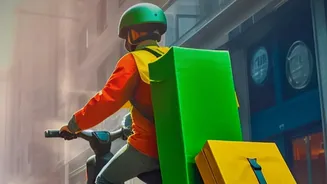
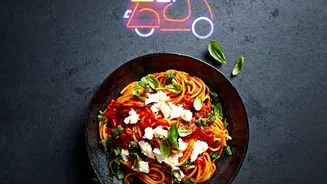
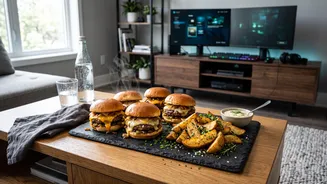
As players dove into the world of Vice City, they left the real-world cooking to someone else. Food delivery platforms reported a significant spike in orders, particularly during late-night hours. In the US, platforms like Uber Eats and DoorDash saw double-digit increases in orders for items like burgers, fries, and pizza. In Miami, the real-world inspiration for the game's setting, late-night orders on Uber Eats reportedly jumped by more than 30% compared to previous weeks. The demand wasn't just for meals but also for crucial gaming fuel. Orders for energy drinks surged, and there was a noticeable trend towards convenient, 'one-handed' foods like pizza rolls and chicken nuggets that could be eaten without pausing the game.
The Indian Scenario
This trend found fertile ground in India, a market already accustomed to a robust and rapidly growing food delivery culture. Major platforms like Zomato and Swiggy have become integral to urban life, and late-night ordering is an established habit, often spiking during events like major cricket matches or festival seasons. The GTA VI launch was no different. Indian quick-commerce platform Zepto reported that over 100,000 users searched for 'GTA VI', 'PS5', and related gaming accessories on its app during launch week, with Bengaluru leading the charge. This indicates a clear overlap between the gaming audience and users of delivery apps. With a market forecasted to be worth over $21 billion by 2026, Indian food delivery services were perfectly positioned to capitalize on the millions of gamers who chose to order in rather than log off.
A Calculated Business Move
The sales boost wasn't just a happy accident; it was a calculated strategy. Food delivery apps anticipated this surge and leaned into the gaming culture. Uber Eats, for instance, specifically curated deals around food that could be eaten with one hand, allowing players to keep a hand on their controller. Restaurant chains also joined in, with some offering game-themed menu items and promotions through delivery apps to capture a slice of the pie. This coordination shows a growing understanding in the business world: massive pop culture moments, especially in gaming, are predictable demand shocks that can be planned for. Market intelligence firm Sensor Tower predicted the launch could drive 50 million additional visits to food apps in the US alone, highlighting the scale of the opportunity.
More Than Just Pizza and Biryani
The phenomenon also underscored the evolving role of delivery platforms as all-purpose logistics networks. The demand wasn't limited to food. Reports showed a massive spike in orders for gaming accessories delivered via these same apps. DoorDash saw orders for HDMI cables and game controllers increase by over 400% during the launch period. This demonstrates how deeply these services are now integrated into consumer lifestyles. For a gamer who needs a new controller, a charging cable, or a late-night snack to continue their session, quick-commerce and food delivery apps have become the go-to solution. They are no longer just about dinner; they are about immediate, uninterrupted convenience.