
The Case for Going Custom
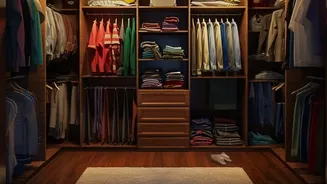
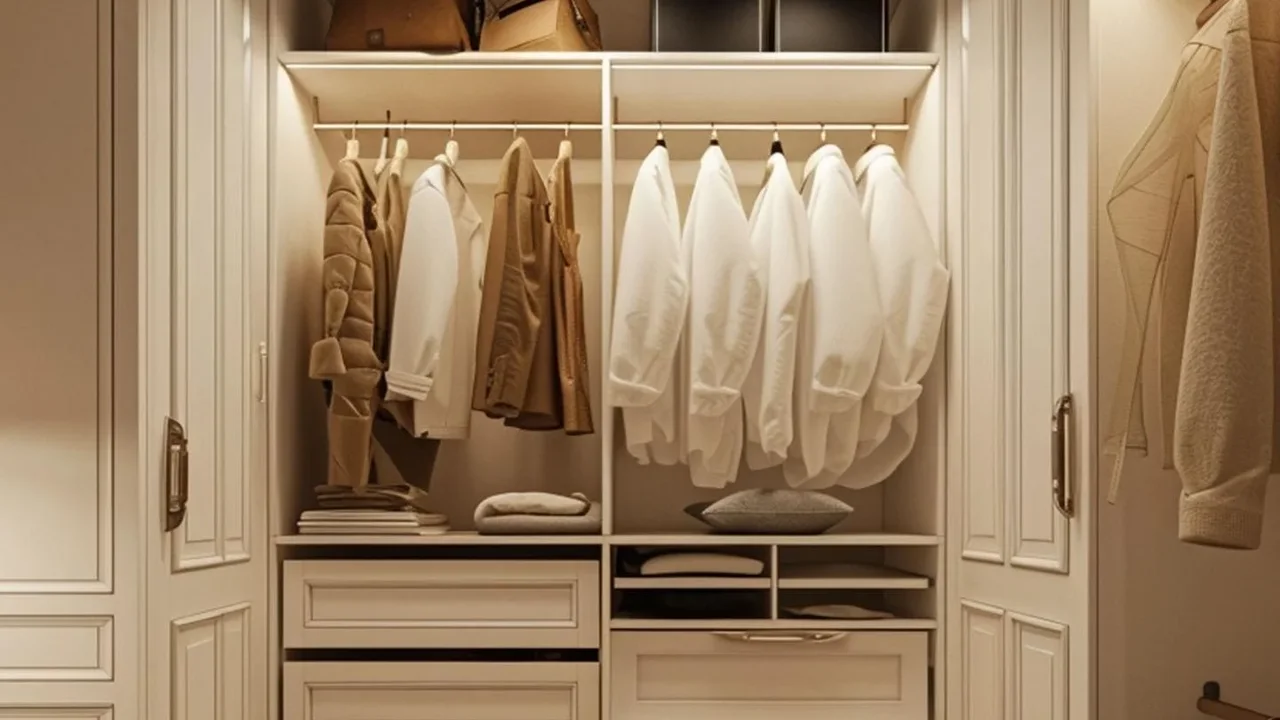
In the battle for space, built-in storage, also known as custom joinery, is a clear winner over off-the-shelf furniture. Its primary advantage is its ability to be perfectly tailored to your home's unique dimensions. Think of those awkward alcoves, the empty
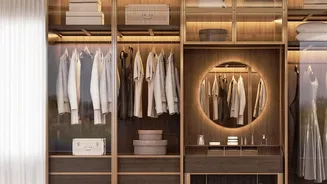
wall above a doorway, or the wasted space under a staircase; custom solutions turn these challenging spots into valuable storage. Unlike a freestanding wardrobe that leaves an unusable gap at the top, a floor-to-ceiling built-in maximizes every centimetre. This creates a seamless, integrated look that makes a room feel larger and less cluttered, an effect that standalone pieces can rarely achieve. Furthermore, high-quality custom joinery is a durable investment that can add significant value to your property.
Embrace the Vertical Advantage
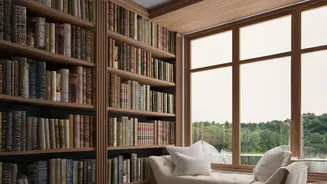
When floor space is limited, the only way to go is up. Current design advice for small homes heavily emphasizes vertical space optimization. Tall, slender storage units draw the eye upward, creating an illusion of height and openness. Consider floor-to-ceiling bookshelves that can house books, decor, and concealed boxes. In the kitchen, extending cabinets all the way to the ceiling provides ample space for lesser-used appliances and pantry items, eliminating the dust-gathering void above standard cupboards. Wall-mounted units, floating shelves, and even over-the-door racks are other simple yet effective ways to get items off the floor and onto the walls, freeing up precious living area.
Multi-Functional and Hyper-Functional
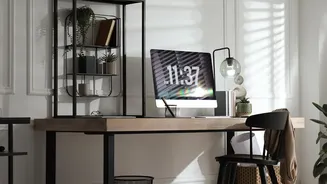
The 2026 trend for compact living is all about furniture that works harder. Multi-functional pieces are key. A window seat is not just a place to read; with a hinged lid, it becomes a deep storage chest for blankets and cushions. A platform bed can be designed with hydraulic lifts or deep drawers underneath, providing more storage than a traditional dresser. In the living room, a media unit can be custom-built to hide electronics, speakers, and cables, while providing display shelving and cabinetry. Design trends also point towards hyper-functional, tech-integrated solutions, such as foldable wall-mounted desks for a home office that disappears after work hours, or charging stations built discreetly into a bedside unit.
Aligning with Modern Aesthetics
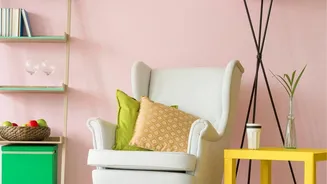
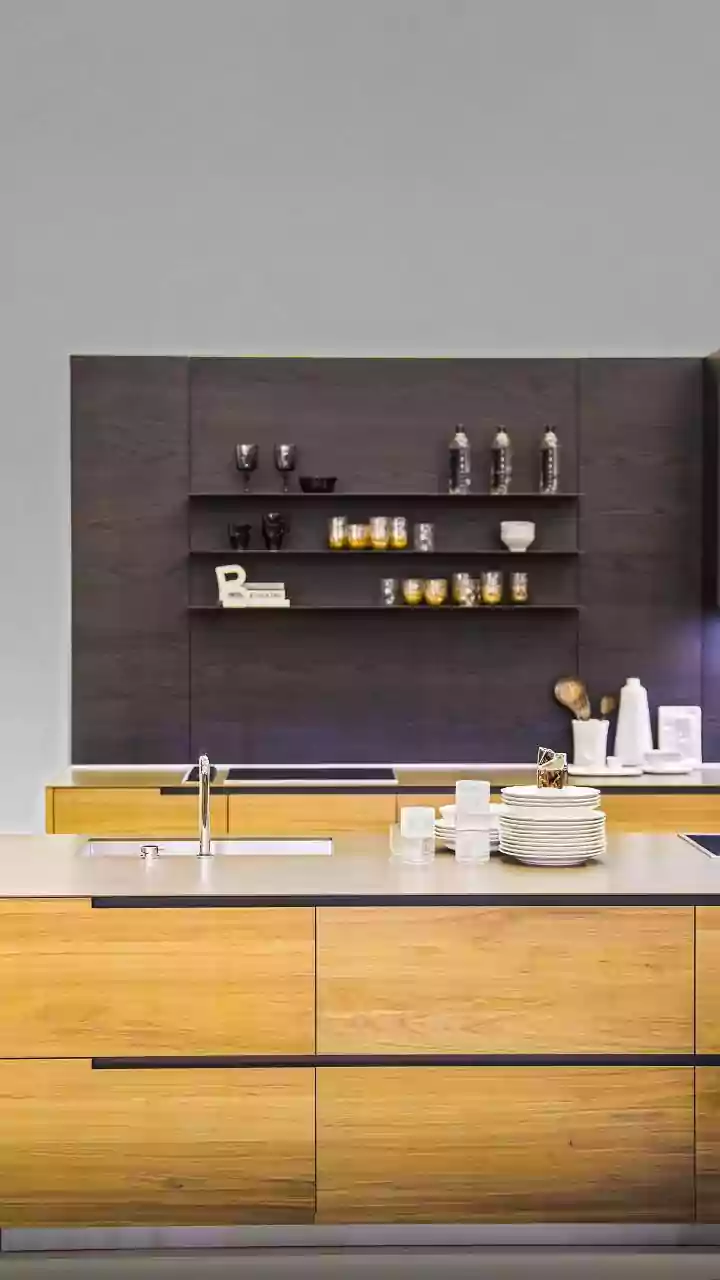
Built-in storage doesn’t just have to be practical; it can be a central part of your home's design identity. Current trends have moved away from cold, stark minimalism towards what designers call "warm minimalism". This involves using natural textures and a warmer colour palette. Think built-ins finished in light oak or painted in soft, earthy tones like sage green or terracotta to add character. The 2026 design palette favours warm off-whites, muted olives, and dusty blues over the cool greys of previous years. Using the same colour for the built-ins and the walls, a technique known as 'colour drenching', can make the storage recede visually, enhancing the sense of space. Even the hardware—or lack thereof, with push-to-open doors—can be chosen to complement the overall style, ensuring your storage is a feature, not an afterthought.
Planning Your Built-In Project
Getting started with custom storage requires some planning. First, assess your needs. What do you need to store, and where are the underutilised spaces in your home? It can be helpful to consult with an interior designer or a skilled carpenter who can help you visualize possibilities and navigate technical constraints. They can create a design that not only meets your storage needs but also enhances the architectural flow of your home. While the initial cost of bespoke joinery is higher than buying flat-pack furniture, its longevity, perfect fit, and the value it adds to your home make it a worthwhile long-term investment. Setting a clear budget from the outset will help guide material and design choices.