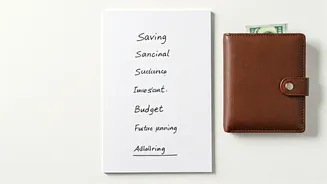









Decoding the ‘Six-Month Stash’
So, what exactly is this ‘stash’ financial gurus keep talking about? In simple terms, it’s an emergency fund. This isn’t money for a vacation or a new phone; it's a dedicated pool of savings designed to cover your essential living expenses for a period
of six months if you suddenly lose your primary source of income. Think of it as a personal financial fire extinguisher. You hope you never have to use it, but you’ll be incredibly relieved it’s there if you do. This fund should cover non-negotiable costs: your rent or EMI, utility bills, groceries, loan payments, and essential transport. It’s the money that keeps your life running without interruption during a crisis, like a sudden job loss, a medical emergency not fully covered by insurance, or an urgent family need.
Why the Urgency for Young India?
Previous generations might have focused on long-term investments from day one, but the modern economy presents different challenges. The Indian job market, especially in sectors like tech and startups, is more dynamic—and volatile—than ever. Layoffs can happen unexpectedly, and finding a new role might take time. A six-month stash provides a powerful buffer. It gives you the freedom to not panic-accept the first, lowball job offer that comes your way. It gives you the breathing room to find a role that truly fits your career goals. Beyond job security, this fund is a stepping stone to true financial independence. It means you won't have to rely on family or take on high-interest debt to handle an unexpected Rs 50,000 expense. It’s your foundation for building wealth, not just surviving.
Calculating Your Magic Number
The idea of saving six months' worth of expenses can sound intimidating, but it’s a concrete goal. The first step is to figure out your ‘magic number’. Track your expenses for a month or two to get a realistic picture of where your money goes. Tally up only the absolute essentials. This includes: - Monthly rent/EMI - Average utility bills (electricity, water, Wi-Fi) - Groceries and essential household supplies - Transportation costs to work - Insurance premiums - Minimum loan or credit card payments Exclude discretionary spending like eating out, shopping for clothes, entertainment subscriptions, and travel. Once you have this monthly essential figure, multiply it by six. For example, if your essential monthly expenses are Rs 30,000, your target emergency fund is Rs 1,80,000. This is your goal.
How to Start Building Your Fund
Don’t let the final number overwhelm you. The journey of a thousand rupees begins with a single one. Start small but be consistent. The best strategy is automation. Set up an automatic transfer from your salary account to a separate savings account every month, right after you get paid. Treat it like another bill. Even if you can only start with Rs 2,000 or Rs 5,000 a month, the habit is more important than the amount. As your income grows or you cut back on other expenses, you can increase the transfer amount. The key is to pay yourself first, ensuring your financial security is prioritised before lifestyle spending.
Where to Park Your Emergency Cash
This money needs to be safe and accessible, but not *too* accessible. Keeping it in your primary debit account is a mistake; it’s too easy to accidentally spend it. Your emergency fund should not be in volatile investments like stocks, as you might be forced to sell at a loss during a market downturn. The best options are liquid and low-risk. A high-yield savings account, separate from your main account, is a great starting point. Another option for those with more financial literacy is a Liquid Mutual Fund. These funds invest in very short-term debt instruments and typically offer slightly better returns than a standard savings account with high liquidity. The goal is to protect the principal amount while keeping it readily available for an actual emergency.