


The Modern Do-It-All Furniture
If the word 'daybed' conjures images of a clunky trundle in a spare room, it’s time for a reintroduction. The daybed of 2026 is less about childhood sleepovers and more about sophisticated, flexible living. Designers and homeowners are embracing it as
a chic alternative to traditional sofas, especially in spaces that need to work overtime. In an era where a living room might also be a home office and a yoga studio, furniture that serves a single purpose can feel restrictive. The daybed’s appeal lies in its inherent versatility; it’s a sofa for socialising, a chaise for lounging, and a comfortable spot for an afternoon nap or overnight guest, all without complex mechanisms.
Why Now? The Rise of the Multi-Use Room
The resurgence of the daybed is a direct response to our evolving lifestyles. Urban living, especially in Indian cities, often means compact homes where every square foot counts. This has fueled a demand for multi-functional furniture that maximises utility without sacrificing style. The daybed perfectly fits this need, offering seating and sleeping solutions in one elegant package. Its open, airy design, often with a low profile and no bulky backrest, can make a small room feel more spacious compared to a traditional sofa. As we continue to seek comfort and functionality in our homes, the daybed emerges as a piece that is both practical and aesthetically pleasing, a blend that defines contemporary interior design.
Finding the Right Style
Today's daybeds come in a vast array of designs, moving far beyond one-size-fits-all. For a minimalist or Japandi-inspired space, a simple wooden frame with clean lines offers a serene, architectural look. If your taste leans more towards bohemian or eclectic, you might opt for a vintage-style rattan or a plush, upholstered velvet daybed in a bold colour. Some modern designs are sculptural and statement-making, intended to be floated in the middle of a room as a centerpiece rather than pushed against a wall. There are also modular and sectional daybeds that can be reconfigured to suit different occasions, further enhancing their flexibility. The key is to treat it as a primary piece of furniture, choosing a style that complements your existing decor.
How to Style a Daybed Like a Sofa
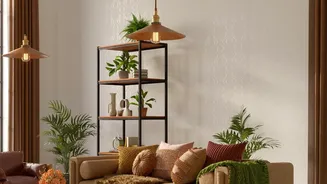
The trick to making a daybed work in a living area is to style it with intention. Since most daybeds are the depth of a twin mattress, creating comfortable back support is crucial for upright sitting. Start by building a supportive base with a row of firm, large Euro pillows against the wall or frame. This creates a 'false back' that mimics a sofa's depth. From there, layer in smaller decorative cushions and perhaps cylindrical bolsters at each end to act as arms. Don’t forget texture; a stylish coverlet or a tightly fitted sheet in a quality fabric like linen or canvas can make the mattress look more like an upholstered seat. Finally, drape a cozy throw blanket over the side for a relaxed, inviting feel that encourages lounging.
Beyond the Living Room
While the daybed is increasingly replacing the sofa, its utility extends throughout the home. In a home office, it provides a perfect spot to read, take a break from the desk, or host an overnight guest without the room feeling like a dedicated bedroom. Placed under a large window, it can create a dreamy window seat for soaking up sunlight, adding extra seating without blocking the view. Even in a spacious entryway or on a wide landing, a shapely daybed can serve as a stylish and unexpected alternative to a simple bench. Outdoor versions, made with weather-resistant materials, are also trending, transforming balconies and patios into luxurious lounging zones.