






The Magic of Monsoon in Mandu
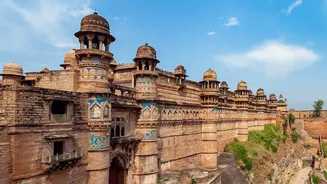
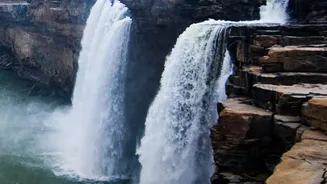
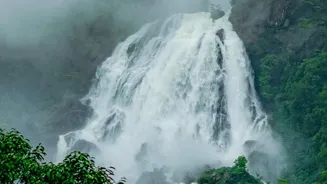
While many destinations shutter during the rains, Mandu comes alive. The monsoon is arguably the best time to visit this historic fortress city, perched on the Vindhya Range. The parched summer landscape gives way to carpets of green, ancient stone monuments
are washed clean, and the city’s many lakes and reservoirs, like Sagar Talao, fill to the brim. The rolling mist and clouds descending upon the plateau lend an ethereal, romantic quality to the ruins, a sight that once captivated Mughal emperors like Jahangir, who famously called it 'Shadiabad' or the 'City of Joy'. The cool, rain-washed air makes exploring the sprawling complex a delight.
The Floating Palace and Royal Enclave
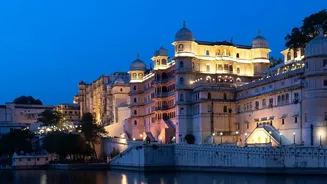
The heart of Mandu’s charm lies in its stunning Afghan architecture. The most iconic structure is Jahaz Mahal, or the Ship Palace. Built by Sultan Ghiyas-ud-din-Khilji, this 120-metre-long palace is flanked by two artificial lakes, the Munj and Kapur Talaos. During the monsoon, when the lakes are full, it creates a breathtaking illusion of a majestic ship afloat on the water. Nearby is the Hindola Mahal, or Swing Palace, known for its distinctive sloping walls that create a sense of motion. The royal complex also includes the Taveli Mahal, which now houses a small archaeological museum, and Champa Baodi, an intricate stepwell with cool underground chambers.
A Legendary Tale of Love and Music
No trip to Mandu is complete without delving into the legendary romance of Sultan Baz Bahadur and the singer-poetess Rani Roopmati. The story permeates the southern part of the city. Start at Baz Bahadur's Palace, a 16th-century structure with spacious courtyards and halls. A short, scenic walk uphill leads to Rani Roopmati's Pavilion. Originally an army observation post, this pavilion offers breathtaking panoramic views of the Narmada river flowing through the plains below. It is said that Roopmati agreed to marry the Sultan only if she could gaze upon her revered river daily, and this pavilion was her vantage point. The acoustics of these structures are a testament to the musical inclinations of the royal couple.
Architectural Marvels Beyond the Palaces
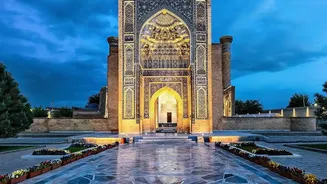
Beyond the main palaces, Mandu is dotted with other significant monuments. The Jami Masjid, inspired by the great mosque of Damascus, is a grand structure with an imposing scale. Opposite it is the Ashrafi Mahal, originally a madrasa, which also serves as the tomb of Mahmud Shah Khilji. Don't miss Hoshang Shah's Tomb, a magnificent mausoleum and one of India’s first major edifices to be built entirely of marble. It is believed to have served as an architectural inspiration for the creators of the Taj Mahal.
Your Budget-Friendly Weekend Plan
Mandu is an exceptionally budget-friendly destination. The journey from Indore, approximately 95-100 km, takes about two to three hours by road. The most economical option is to take a frequent bus from Indore to Dhar, and then a local shared taxi or another bus for the final 35 km to Mandu. For accommodation, options range from guesthouses and homestays starting around ₹800-1200 per night to the well-regarded, budget-friendly Malwa Retreat and Malwa Resort run by MP Tourism. Entry fees for most monument complexes are very nominal for Indian citizens. To eat, skip fancy restaurants and enjoy local Malwa cuisine at dhabas, where you can find specialties like dal bafla.