




A Natural Ally for Blood Sugar
Perhaps the most celebrated benefit of jamun is its potential role in managing blood sugar levels. Both the fruit and its seeds contain compounds like jamboline and jambosine, which are believed to slow the rate at which sugar is released into the bloodstream.
Traditional Indian medicine, including Ayurveda, has long recommended jamun for diabetic patients. While modern science is still exploring the full extent of this effect, studies have shown promising results regarding its hypoglycemic properties. The seeds are often dried and powdered to be consumed for this purpose. This makes jamun not just a tasty fruit but also a subject of significant interest for those looking to manage their glucose levels naturally.
An Antioxidant and Immunity Powerhouse
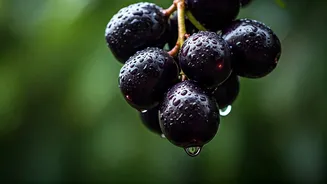
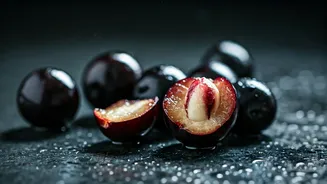
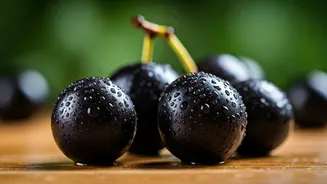
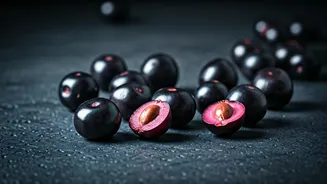
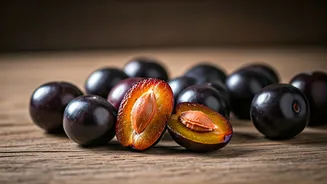
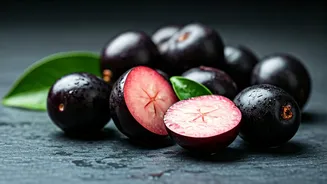
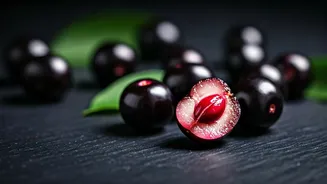
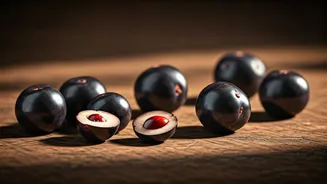
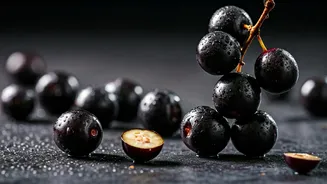
Move over, exotic berries. Jamun is a homegrown antioxidant powerhouse. It's packed with flavonoids and Vitamin C, which help fight free radicals in the body. These are unstable molecules that can cause cell damage and contribute to ageing and various diseases. A diet rich in antioxidants supports overall health, boosts immunity, and can even contribute to healthier skin by combating oxidative stress. The deep purple colour of the fruit is a clear indicator of its high anthocyanin content, the very antioxidants that give it its power. Including jamun in your diet during its short season is an easy and delicious way to fortify your body's defences.
A Spoonful of Nostalgia
For many Indians, the taste of jamun is inextricably linked to childhood. It's the flavour of school holidays, of climbing trees, and of sharing a handful of fruit with friends, comparing whose tongue is the most purple. This cultural resonance is something that can't be measured in vitamins or antioxidants. It connects us to a shared past and the simple joys of seasonal eating. In a world of year-round, globally sourced produce, the jamun is a powerful reminder of the beauty of eating what grows locally and in its own time. Its fleeting presence makes it all the more special, turning its consumption into an annual ritual.
More Versatile Than You Think
While eating jamun fresh with a sprinkle of black salt is a classic experience, its culinary potential extends far beyond that. The fruit's tart and astringent flavour profile makes it a fantastic ingredient in the kitchen. It can be turned into delicious jams, jellies, and sorbets. The pulp is used to make vibrant, healthy smoothies and coolers, perfect for beating the monsoon humidity. One of its most popular modern avatars is jamun vinegar, which is gaining traction for its purported health benefits, similar to apple cider vinegar. Even the seeds, when powdered, are used not just medicinally but also as a flavouring agent. This versatility proves that jamun is not just a fruit to be eaten, but an ingredient to be celebrated.
The Local, Sustainable Superfood
In an era where the term 'superfood' is often attached to expensive, imported items like quinoa and goji berries, the jamun stands as a testament to the nutritional wealth in our own backyards. It's a hyper-local superfood that doesn't require a large carbon footprint to reach our plates. It grows abundantly across the subcontinent, is relatively inexpensive, and is perfectly adapted to our climate. Choosing jamun is not just a healthy choice for our bodies; it's also a sustainable choice that supports local farmers and reduces our reliance on a globalised food system. It’s a perfect example of how the most powerful ingredients are often the ones that have been with us all along.