


![[Watch] MS Dhoni shares a light moment with young fan at Edgbaston during India's ODI opener](https://g-mob.glance-cdn.com/public/fc/image/9f_o2oF9rWu0.webp)



The Three-Dimensional Dilemma
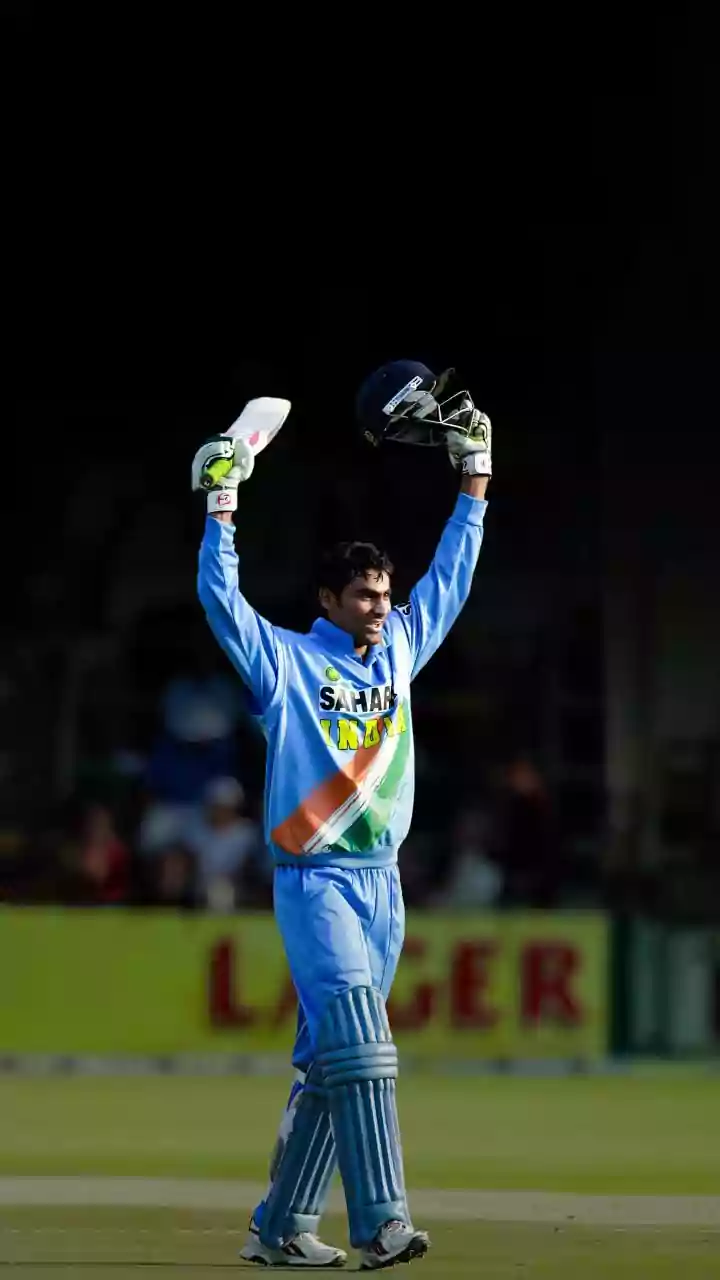
Ravindra Jadeja is a phenomenon. A gun fielder, a restrictive left-arm spinner, and a capable lower-order batsman. For years, this combination made him indispensable. At 37, he remains one of the fittest players in the world, capable of turning a match
with a single piece of brilliance in the field. His athleticism is unquestioned, and his experience in high-pressure situations is invaluable. The dilemma for selectors is not about his quality, but about the specific evolution of the 50-over game. The modern ODI demands explosive power-hitting from the lower order and consistent wicket-taking from spinners in the middle overs. This is where the debate around Jadeja's future truly begins.
The Batting Equation
The primary concern is Jadeja's effectiveness with the bat. While a career ODI average of over 32 is respectable, his recent returns and strike rate have become a talking point. Since 2024, his strike rate in the lower order has been modest, ranking him low among international finishers. In a recent ODI series against New Zealand, he struggled to provide the required finishing kick, scoring just 43 runs across three games. The game has moved towards needing all-rounders who can consistently hit boundaries from ball one, and there is a growing concern that Jadeja's batting, while solid, may no longer possess the explosive gear that modern ODIs demand in the final overs.
The Bowling Question Mark
As a bowler, Jadeja has transitioned into more of a container than a strike weapon in ODIs. His economy rate remains tidy, but his wicket-taking returns have diminished significantly. In his last five ODIs, including a series against New Zealand and matches against South Africa, he has managed only a single wicket. In conditions that don't offer significant turn, batters have found it easier to play him out without taking risks, nullifying his threat. With the next World Cup in 2027 set to be held in South Africa, Zimbabwe, and Namibia where pitches may not be conducive to spin, the question is whether a containing spinner is a luxury India can afford.
The Rise of the Understudy
The debate around Jadeja is amplified by the presence of a compelling alternative: Axar Patel. Offering a very similar skillset as a left-arm spinner and left-handed batter, Axar has made a strong case for himself. In 2025, Axar outscored Jadeja significantly in ODIs and has shown improvements in his power-hitting. Statistical comparisons since early 2024 show Axar with a slightly better bowling average and a higher volume of runs, albeit at a lower strike rate than Jadeja's historical numbers. Many analysts and fans believe Axar is now ahead of Jadeja in white-ball cricket, offering more with the bat and similar control with the ball, making the competition for that one specialist spot incredibly tight.
A Priceless Asset, An Unsettled Role
To be clear, Ravindra Jadeja's value remains immense. His fielding is still, without question, world-class and can save 15-20 runs in any given match, an impact that scorecards don't capture. He is a proven big-match performer and a crucial part of the leadership group. Chief selector Ajit Agarkar has stressed that Jadeja remains a key player, especially in the Test arena. However, the conversation about his ODI future is not about ending his career but about redefining his role. The team management is actively looking to groom multiple all-rounders, indicating a strategic shift towards building depth and specific skill sets for different conditions.