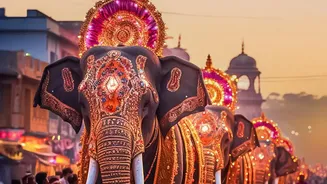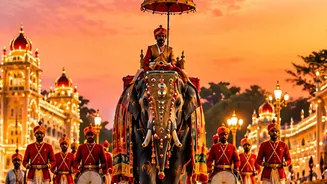


Where Faith and Festivity Collide
The Pushkar Mela is a festival with a unique dual identity. For centuries, it has been one of the world's largest and most famous camel fairs, drawing livestock traders from across Rajasthan and neighbouring states to the desert sands. But its timing
is no coincidence. The fair is intrinsically linked to the Hindu lunar calendar, culminating on the auspicious full moon day of Kartik Purnima. This sacred occasion transforms the event from a mere marketplace into a profound pilgrimage, as tens of thousands of devotees arrive to bathe in the holy waters of Pushkar Lake. It is this seamless blend of the sacred and the spectacular, of commerce and culture, that makes the Mela an unparalleled experience.
The Spiritual Heartbeat: Kartik Purnima
The religious soul of the fair is the pilgrimage centred around Kartik Purnima. Hindu scriptures hold that a dip in the sacred Pushkar Lake on this full moon night cleanses sins and brings immense spiritual merit. Legend says that the lake was created from a lotus petal dropped by Lord Brahma, the creator god in the Hindu trinity. This is why Pushkar is home to one of the world's very few temples dedicated to Brahma, making it a crucial pilgrimage site. As the fair draws to a close on November 24th, the 52 bathing ghats surrounding the lake will be thronged with pilgrims from dawn, offering prayers and floating lamps on the water in a mesmerising Maha Aarti ceremony.
A Grand Spectacle of Camels and Culture
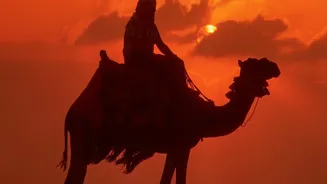
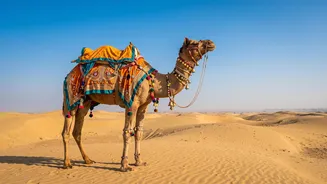
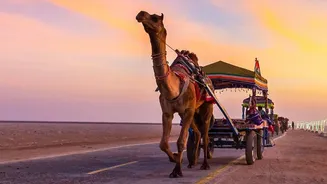
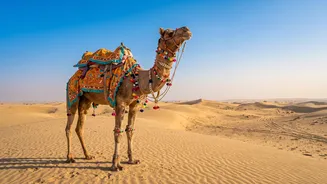
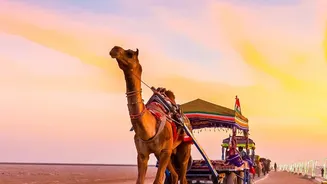
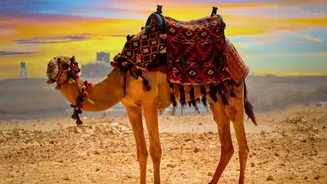
While religion forms its foundation, the cultural carnival is what gives the Mela its global fame. The fairgrounds are a riot of activity centred on the 'ship of the desert'. Camels, adorned in colourful beads, mirrors, and textiles, participate in races, beauty pageants, and even dancing competitions. Beyond the camel trading, the fair is a vibrant showcase of Rajasthani folk traditions. The Shilpgram handicraft bazaar offers everything from embroidered fabrics to handmade jewellery, while the air fills with the soulful melodies of Langa musicians and the energetic performances of Kalbelia dancers. This cultural immersion provides a genuine insight into the heart of rural India.
From Moustaches to Matkas: The Quirky Contests
The fair is also famous for its lineup of unique and entertaining competitions that draw huge crowds. The 'longest moustache' contest is a highlight, where Rajasthani men display facial hair grown and maintained with immense pride. This competition, along with turban-tying contests for international visitors, celebrates local identity and tradition on a fun, competitive stage. Other popular events include traditional rural sports like kabaddi and satoliya (a game with stacked stones), as well as team events like tug-of-war. There is even a 'matka phod' competition, where participants form human pyramids to break an earthen pot hung high above, adding a dose of thrilling acrobatics to the festivities.
Modern Touches on an Ancient Tradition
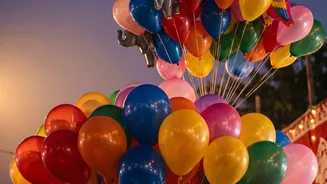
While deeply rooted in history, the Pushkar Mela is not frozen in time. In recent years, it has embraced modern attractions that appeal to a new generation of travellers. Hot-air balloon rides offer breathtaking bird's-eye views of the sprawling fairgrounds and the desert landscape at sunrise, creating unforgettable photographic opportunities. Adventure sports like paramotoring and quad biking have also found a place amidst the traditional activities. These additions, alongside a Lagaan-inspired cricket match between locals and tourists, show how the fair continues to evolve, broadening its appeal without losing its essential character.