






The New Tastemaker: Social Media's Influence
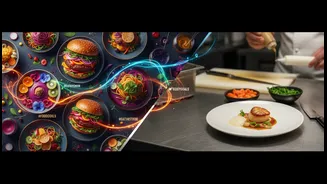
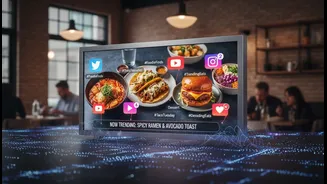
In today's India, food trends are no longer set by top chefs or critics alone; they are born and spread through social media. Platforms like Instagram and YouTube have become the primary spaces where millions of consumers discover new dishes, from hyper-regional
specialties to global fads like Korean buns or novelty desserts. A single viral video can create nationwide demand in a matter of hours, turning a previously unknown food item into a must-have experience. This shift has fundamentally changed consumer behaviour, with diners now actively seeking out photogenic, “Instagrammable” dishes and restaurants that look good online. As a result, restaurants are no longer just food businesses; they have become content businesses, where visual appeal is as important as taste.
The Operational Lag: Why Menus Can't Keep Up
Despite the fast-paced nature of online trends, the process of changing a physical restaurant menu is anything but quick. While a dish can become famous overnight, restaurants face significant operational hurdles in adapting. These include sourcing new or unusual ingredients at scale, training kitchen staff on new recipes, accurately costing the dish to ensure profitability, and redesigning and reprinting physical menus. For larger chains, this process can take months, by which time the trend may have already peaked and faded. This operational lag creates the “social-to-menu gap,” where restaurants are constantly playing catch-up to consumer demand driven by fleeting digital trends.
Bridging the Gap: The Rise of Agile Models
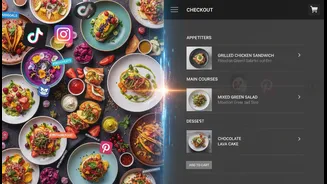
To survive in this new environment, many Indian food businesses are adopting more agile models. Cloud kitchens have a distinct advantage due to their lower overheads and delivery-focused nature. Without a dine-in space, they can run multiple virtual brands from a single kitchen, allowing them to experiment with new concepts and cuisines with less financial risk. This flexibility enables them to launch a trendy menu item as a limited-time offering under a new virtual brand almost instantly. Traditional restaurants are also adapting by using QR code menus that can be updated daily, and by introducing “limited time offers” to test the waters for a new dish without committing to it on the permanent menu.
The Main Caveat: Not All Trends Are Worth Chasing
Here lies the main caveat for the industry: speed is not a strategy in itself. While agility is crucial, blindly chasing every viral food trend can be a trap. Many viral dishes are over-hyped and designed for visual impact rather than taste or quality. Constant menu changes can lead to operational chaos, inconsistent quality, and increased food wastage. More importantly, it can dilute a restaurant’s core brand identity. A restaurant known for its authentic regional cuisine may alienate its loyal customer base by suddenly adding a fusion dessert that was popular on Reels for a week. The most successful operators understand that their brand is their most valuable asset.
Smart Strategy Over Blind Speed
The smartest restaurants in India are not just getting faster; they are getting more strategic. They use data and insights to understand which trends align with their brand and customer base. Instead of copying a trend, they reinterpret it through their own culinary lens. For instance, a rise in demand for healthier options might prompt a restaurant to introduce millet-based versions of their existing best-sellers rather than adding a random salad bowl. This approach, known as menu engineering, involves a careful analysis of both profitability and popularity to ensure that every item on the menu earns its place. This allows businesses to innovate and stay relevant without sacrificing their identity or profitability.