







The Café as a 'Third Place'
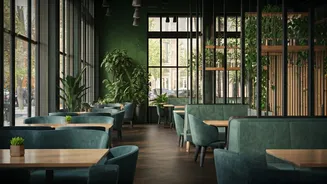
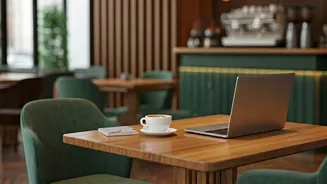
The coffee shop has transformed from a place for a quick beverage into an essential 'third place'—a destination that is neither home nor work. For many young professionals and students, particularly after the remote work shift, cafés have become their
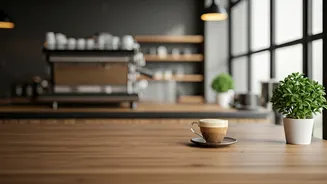
new office, meeting room, and social hub. They offer a dynamic environment where one can be around people without the pressure of direct social interaction. Recognising this, café owners are adapting their spaces with comfortable seating, ample charging points, and a welcoming atmosphere that encourages patrons to linger for hours, turning a simple coffee run into a day-long experience.
Aesthetics and the Instagram Effect
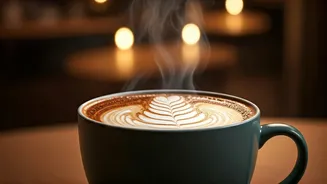
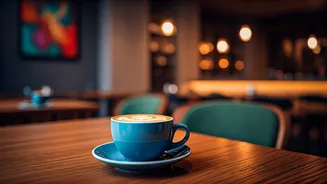
In the age of social media, the visual appeal of a café is as crucial as its menu. Gen Z, in particular, often chooses where to go based on aesthetic looks and vibes. Pastel walls, artfully plated dishes, natural light, and unique design elements are no longer just details; they are major draws. The goal is to create a 'shareable' experience that looks great on an Instagram feed. This has led to the rise of the 'pretty café,' where every corner is a potential photo opportunity, and the decor is a primary reason for a visit.
More Than a Transaction, It's an Experience
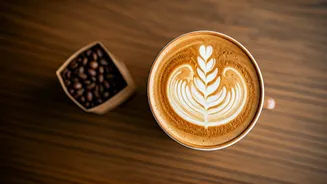
The modern coffee consumer is looking for an immersive experience. This can manifest in various ways, from DIY cafés where customers can brew their own coffee or cook their own ramen, to spaces that host community events like poetry nights, workshops, and music gigs. Brands are finding that creating a sense of community builds loyalty. The focus is shifting from a purely transactional model to one based on emotional connection and engagement, where the café becomes a cultural hub.
Conscious and Curious Consumption
Today’s young consumer is increasingly conscious about what they consume. There is a growing demand for transparency in sourcing, with a preference for ethically produced and sustainable coffee. Brands like Blue Tokai and Araku Coffee have built their reputation on championing Indian coffee estates and promoting fair trade practices. This goes beyond just coffee. Young Indians are also more experimental, flocking to new and innovative flavours, from fruit-infused cold brews to health-conscious options with plant-based milks and natural sweeteners.
The New Definition of Premium
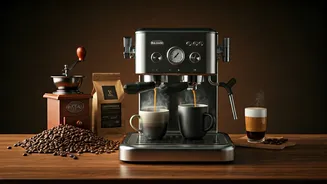
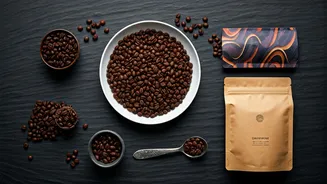
Premiumisation in the Indian coffee market is no longer just about a high price point. For the discerning young consumer, 'premium' is defined by craftsmanship, authenticity, and the story behind the product. They are interested in single-origin beans, unique flavour profiles, and the skill involved in different brewing methods. This shift means that ethical sourcing, consistent quality, and a compelling brand narrative are no longer differentiators but baseline expectations for any brand wanting to capture this evolving market.