






Embracing Authentic, Rooted Stories
For years, many mainstream Hindi films have been set in a generic, pan-urban landscape, often feeling disconnected from any specific region. In an attempt to be universally appealing, stories sometimes became universally bland. The success of films like
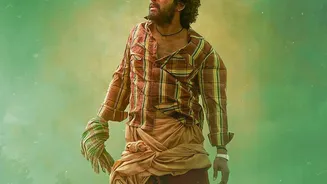
'Pushpa: The Rise', 'Kantara', and 'KGF' demonstrates a powerful counter-narrative: audiences crave authenticity. These films are unapologetically rooted in their specific cultural milieus — the red sandalwood smuggling world of Rayalaseema, the folk traditions of coastal Karnataka, or the gritty history of the Kolar Gold Fields. This specificity doesn't alienate viewers; it draws them in. The lesson here is that a story deeply rooted in a particular culture can resonate universally if its core emotions—ambition, pride, and struggle—are relatable. By embracing deep-rooted narratives instead of placeless ones, Bollywood can create stories that feel fresh, vital, and grounded, winning back audiences who seek connection, not just gloss.
The Power of High-Conviction Vision
One of the most significant takeaways from the pan-India wave is the power of a director's uncompromising vision. Films like 'RRR' are examples of maximalist, high-conviction filmmaking where the creative lead's vision is executed without apparent dilution by committee. Some industry analysts argue that a corporate culture in parts of Bollywood can lead to a risk-averse mindset, where tested formulas and remakes are favoured over bold, original ideas. Filmmaker Madhur Bhandarkar noted that a story like 'Kantara' might struggle to get made in a mainstream Bollywood studio due to its perceived lack of conventional commercial elements. The South's blockbuster successes argue for trusting creators, even when their ideas seem unconventional. The gain for Bollywood is clear: backing visionary directors and writers with conviction can lead to paradigm-shifting entertainment that doesn't just follow trends but creates them.
A New Blueprint for Collaboration
The pan-India phenomenon is not a zero-sum game of 'Bollywood vs. South'. Instead, it presents a golden opportunity for unprecedented collaboration. The lines between industries are blurring, with top Bollywood stars now eager to work with directors and production houses from the South, and vice versa. This cross-pollination of talent, technical expertise, and storytelling sensibilities can enrich the entire Indian film ecosystem. When actors like Shah Rukh Khan collaborate with a director like Atlee for 'Jawan', or when production houses work across languages, it creates fresh pairings and widens the market for everyone involved. This collaborative model guarantees wider acceptance across linguistic markets and generates immense pre-release buzz. The ultimate gain is a truly integrated Indian film industry, where the best talent from every region can come together to create cinema on a grander, more ambitious scale.
Reconnecting with the Mass Audience
While Bollywood has historically excelled at creating films for a mass audience, a recent focus on urban, multiplex-centric stories has sometimes left a significant portion of the audience behind. Pan-India blockbusters, however, are masters of catering to a wide audience without sacrificing story. They blend high-concept ideas with universal themes of heroism, family, and justice, presented with spectacle and emotion. These films prove that it is possible to be both intelligent and accessible, spectacular and emotional. They respect the audience's desire for larger-than-life entertainment while delivering compelling character arcs. For Bollywood, re-engaging with this broad audience by telling powerful, emotional stories on a grand scale could be the key to reclaiming its box office dominance and cultural centrality across the nation.