




A One-in-a-Million Discovery
Most fossils are just the hard parts of an animal, like bones or shells, that survive the ages. Soft tissues—skin, organs, and muscles—are almost always the first things to decay, lost to time. But palaeontologists from the University of Oklahoma have
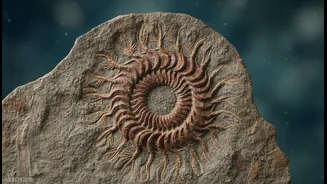
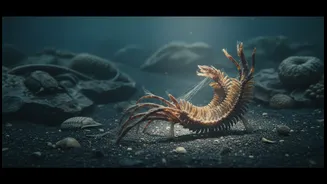
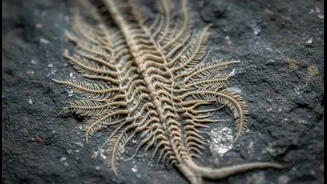
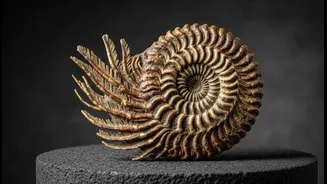
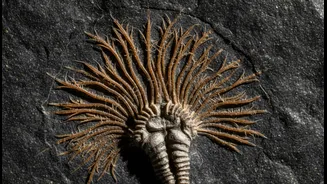
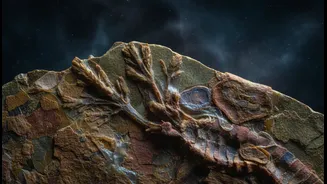
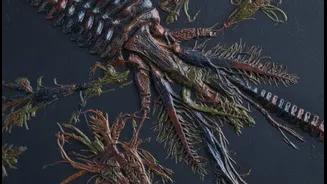
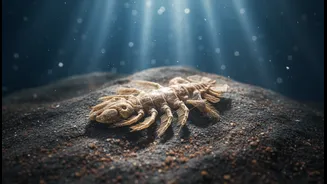
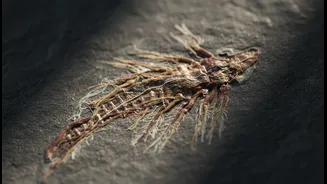
announced a discovery that defies the odds: a 450-million-year-old crinoid fossil with some of its soft tissues still preserved. This is only the second time soft tissue has ever been found in a crinoid fossil, and this specimen is significantly older than the previous one. The creature, named Dendrocrinus simcoensis, dates back to the Ordovician period, a time when complex life was flourishing in the oceans but had not yet moved onto land.
More Than Just a Fossil
The incredible preservation was spotted while researchers were examining specimens at a small museum in Montreal. What makes this find so revolutionary is the presence of fossilised tube feet, which are delicate structures crinoids use for feeding and movement. Their preservation required what scientists call “one-in-a-million” conditions. For soft tissue to fossilise, decay has to be stopped in its tracks by a perfect storm of environmental factors, such as rapid burial in low-oxygen conditions. This process essentially vacuum-seals the organism, preventing the bacteria and chemical reactions that would normally destroy it. This rare snapshot allows scientists to study the biology of an ancient animal in ways that a simple skeleton never could.
Rewriting the Ancient Playbook
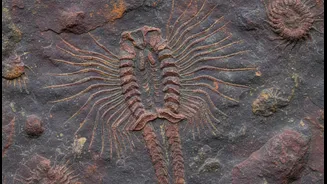
Crinoids, ancient relatives of modern starfish and sea urchins, looked like stalked sea flowers and were common in Earth's earliest reefs. While millions of their fossilised skeletons have been found, this is the first time scientists can study the soft anatomy of such an old specimen. By comparing the fossil's tube feet to those of living crinoids, like feather stars, researchers noted that the anatomy of this ancient species was very different. This suggests that early crinoids may have fed and lived in ways that have no direct equivalent in today's oceans. It provides a crucial new piece of the puzzle, offering fresh insights into how these early animals evolved and adapted over hundreds of millions of years.
A Hidden Laboratory in a Museum Drawer
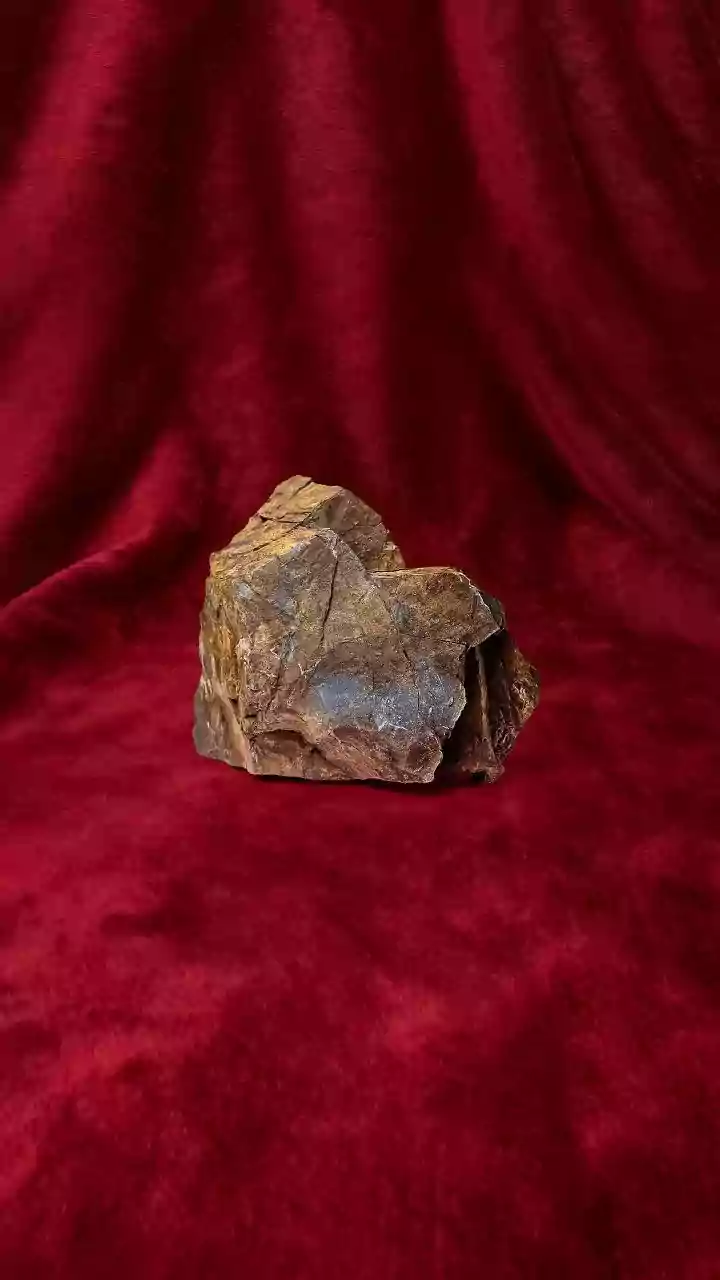
The story of this fossil is also a story about the importance of museum collections, both large and small. The remarkable specimen wasn't unearthed on a remote expedition but was found waiting patiently in a drawer at the Musée de paléontologie et de l'évolution in Montreal. The museum, which runs on community donations, lacked the specialists to identify the fossil's true significance. It was only when visiting palaeontologists Dr. Lena Cole and Dr. David Wright examined the specimen that its hidden secrets were revealed. Their work highlights the immense scientific value locked away in existing collections, reminding us that the next great discovery might not come from a new dig, but from taking a closer look at what we already have.