




A Scented Renaissance in Urban India
Walk through the bustling streets of Mumbai, Delhi, or Bengaluru, and you might notice a change in the air. Beyond the usual spray of alcohol-based perfumes, a growing number of people are turning to traditional attars. These concentrated perfume oils,
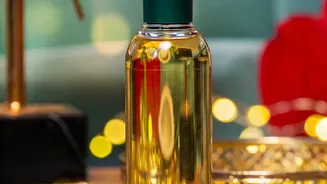
long associated with old-world bazaars and grandparents' cupboards, are experiencing a remarkable revival. Once considered niche, attars are now appearing in chic, minimalist roll-on bottles and being sold by a new wave of online, direct-to-consumer brands. This resurgence is not just about nostalgia; it’s a conscious choice, blending heritage with modern sensibilities for a fragrance that is personal, long-lasting, and deeply rooted in Indian culture.
What Makes Attar Different?
Unlike the Western perfumes that dominate the global market, attars (also known as 'ittar') are fundamentally different. They are alcohol-free perfume oils, created through a meticulous, ancient process of hydro-distillation called Deg-Bhapka. In this method, natural ingredients like flowers, herbs, or spices are distilled, and their aromatic vapour is captured in a base oil, traditionally sandalwood. The process is slow and artistic, sometimes taking weeks to complete and even years to age, resulting in a scent that is rich and complex. Because they are oil-based, attars don’t evaporate quickly. Instead, they sit close to the skin, evolving with your body heat to create a unique, intimate fragrance that can last for hours, if not the entire day.
The Allure of Clean and Conscious Beauty
A key driver behind the attar comeback is the global shift towards wellness, sustainability, and 'clean' beauty. Modern consumers are increasingly wary of synthetic chemicals and alcohol in their personal care products. Attars fit perfectly into this new consciousness. Their natural, alcohol-free composition is gentler on the skin and less likely to cause irritation. Furthermore, the craft of attar-making, centered in cities like Kannauj—India’s perfume capital—highlights a tradition of sustainable, small-batch production that stands in stark contrast to mass-produced fragrances. This story of heritage, artistry, and natural purity resonates strongly with younger generations seeking authenticity and meaning in their purchases.
New Brands, Modern Stories
The revival is also being fuelled by a host of contemporary Indian brands that are reimagining attar for a new audience. Companies like Kastoor, Atarstory, and others are giving these traditional scents a modern makeover with elegant packaging, relatable branding, and a strong online presence. They are using social media to educate consumers, demystify the world of attars, and showcase their versatility. Some brands are creating contemporary blends, pairing traditional notes like rose and oud with modern accords, while others focus on preserving heritage scents like 'Mitti Attar', which captures the beloved fragrance of the first rain on dry earth. This has made attars more accessible and appealing than ever before.
How to Wear Attar This Festive Season
Incorporating attar into your festive routine is simple. The key is to remember that a little goes a long way. Since attars are highly concentrated, a single dab on pulse points—the wrists, behind the ears, the base of the throat—is often enough. The warmth of these areas helps the fragrance to bloom and diffuse gently throughout the day. For an even longer-lasting effect, apply it to moisturised skin. Avoid rubbing the oil, as this can crush the delicate scent molecules. During festivals, when rituals may discourage alcohol-based products, attars are an ideal choice. Scents like rose, jasmine, sandalwood, and oud are classics for grand celebrations, adding a layer of warmth, elegance, and tradition to your presence.