







The Big News: What's New This Month?
The most significant update for Indian travellers this July is a major revision to Japan's visa fees, which took effect on July 1, 2026. For most nationalities, fees have increased by as much as five times. However, there is excellent news for Indian passport
holders: you are exempt from this hike. The visa fee for Indians remains a highly affordable INR 500 for both single and multiple-entry visas. This decision keeps Japan an accessible destination. While the fee itself hasn't changed, this global policy shift underscores the importance of checking the very latest rules before applying. Another key change from earlier this year is the move to a mandatory appointment system at several VFS Global centres, including those in South India and Mumbai. Walk-in applications are no longer accepted at these locations, a measure implemented to manage the high volume of applications and streamline the process.
Sticker Visa vs. E-Visa: Your Options
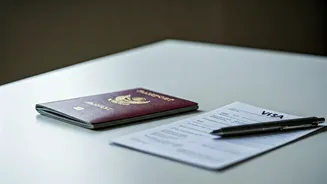
Indian citizens have two main pathways for a tourist visa: the traditional sticker visa or the newer e-visa. Since April 2024, Indians applying for a single-entry tourist visa can receive an e-visa. It's important to note this isn't a fully online process from home; applications are still submitted through VFS Global centres. The key difference is that instead of a physical sticker in your passport, you receive a 'visa issuance notice' electronically. At the airport in Japan, you must display this notice live on your mobile device, as screenshots or printouts are not accepted. The traditional sticker visa remains the standard for all other categories, including multiple-entry and business visas.
Your Step-by-Step Application Guide
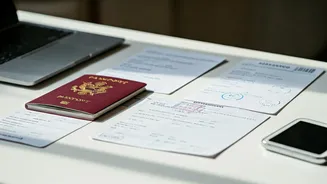
The application journey begins by determining the correct VFS Global centre for your jurisdiction, as it depends on your state of residence. The next step, for many centres, is to book an appointment online, as walk-ins are increasingly being phased out. You must then assemble a comprehensive set of documents. This includes a valid passport, a completed application form, and a recent photograph meeting specific dimensions (usually 45mm x 45mm). Crucially, you will need to provide a detailed day-by-day travel itinerary, confirmed flight bookings, and proof of accommodation for your entire stay. Once you have your appointment and all your documents in order, you will submit them in person at the VFS centre and pay the required visa and service fees. You can then track your application online while it is being processed, which typically takes around 5 to 10 working days.
Mastering the Document Checklist
A successful visa application hinges on meticulous documentation. Incomplete or inconsistent paperwork is a leading cause for rejection. Beyond the basics, financial stability is paramount. You must provide recent bank statements for the last six months to prove you have sufficient funds for your trip. While there is no official minimum balance, a healthy closing balance that reflects a consistent financial history is key. Sudden large deposits right before applying can be a red flag. For salaried individuals, a letter from your employer granting leave for the trip and recent salary slips are essential. For business owners, company registration documents and tax records help build a strong case. Ultimately, the goal is to present a clear and credible profile that demonstrates both your ability to fund the trip and your intent to return to India.
Common Pitfalls and How to Avoid Them
Many rejections stem from avoidable errors. One of the most common mistakes is a mismatch between your application form and your supporting documents. For example, the dates on your flight tickets must align perfectly with the itinerary you have provided. Submitting unconfirmed or temporary hotel bookings is another frequent issue that can lead to rejection. It is also vital to demonstrate strong ties to India, which gives the consulate confidence that you will return after your trip. This can be shown through stable employment, family responsibilities, or property ownership. A vague or generic cover letter can also weaken your application; it is better to be specific about your travel plans and purpose. Taking the time to double-check every detail ensures your application is as strong as possible.