




A City Brought to a Standstill
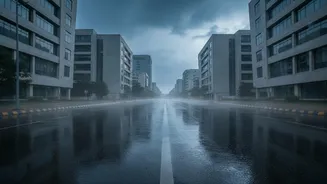
The moment heavy rain begins, a predictable chain reaction paralyzes urban infrastructure. Roads quickly become waterlogged, turning key arteries into impassable canals. Videos of stranded vehicles and commuters wading through knee-deep water flood social
media every year, from Mumbai to Delhi. This widespread waterlogging leads to massive traffic jams, drastically slowing down all movement. For food delivery, this is the first and most significant hurdle. A journey that normally takes 15 minutes can stretch to over an hour, making quick-commerce promises of 10-minute deliveries an impossibility. The chaos on the streets means that even before your order is prepared, the system designed to get it to you is already under immense strain.
The Challenge for Delivery Partners
At the heart of this disruption are the delivery partners who navigate these treacherous conditions. For them, the monsoon is a season of heightened risk and difficulty. They face slippery roads, poor visibility, and the constant threat of their vehicles breaking down in flooded areas. Many use their personal two-wheelers, which are often not equipped for severe weather, increasing the risk of accidents. Beyond the physical danger, there's the economic pressure. While delivery platforms may offer a 'rain hardship allowance', the riders must balance the potential for extra earnings against their personal safety and the wear and tear on their vehicles. They often work long hours in wet clothes, increasing their susceptibility to illness, all while trying to meet delivery timelines and manage customer expectations.
Pressure Inside the Restaurant
While delivery partners battle the elements outside, restaurants face their own set of monsoon-related challenges. A sudden downpour often leads to a surge in online orders as people decide to stay indoors. Simultaneously, dine-in footfall can plummet by as much as 50%, shifting the entire operational focus to deliveries. This surge in orders can overwhelm kitchen staff. Furthermore, restaurants may experience staff shortages if their own employees are unable to commute through the rain and traffic. Supply chains are also affected; roadblocks and transport delays can disrupt the delivery of fresh ingredients like vegetables, impacting menu availability. Some establishments may even have to contend with waterlogging or leaks within their own premises.
How Delivery Platforms Adapt
Food delivery apps like Swiggy and Zomato are not passive observers in this seasonal chaos. Their algorithms constantly process real-time data on weather and traffic to manage the situation. One of the first things users will notice is an adjustment in delivery time estimates and the application of a 'rain surge' fee. This additional charge aims to incentivize more delivery partners to log in. In areas with severe waterlogging, companies may temporarily suspend operations altogether to ensure rider safety, which is stated as a top priority. They also monitor rider locations to provide assistance in case of breakdowns and use flexible routing to navigate around the worst-affected areas. This dynamic management is a balancing act between meeting customer demand and protecting their fleet of riders.
Tips for Ordering Smarter in the Rain
As a customer, a little understanding and planning can make a big difference. If you know heavy rain is forecasted, try to place your order before the downpour begins. Choosing restaurants that are closer to your location can significantly reduce delivery time and the challenges faced by the rider. Patience is key; expect delays and avoid repeatedly contacting the delivery partner for updates, as this can be distracting and unsafe for them. When the order arrives, a generous tip is a great way to show appreciation for the difficult journey they've undertaken. Finally, if your order is cancelled, understand that it may be due to impassable roads or for the rider's safety. Checking the app for service disruptions in your area can also help set realistic expectations.