




The Myth of the Monolith
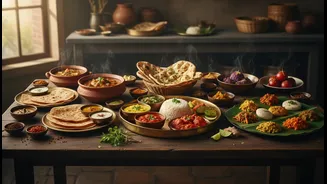
For years, the perception of Indian food, particularly outside of India, was often reduced to a few familiar dishes. Creamy, tomato-based curries, tandoori chicken, and naan bread became global ambassadors, leading many to believe all Indian food was rich,
heavy, and uniformly hot. This impression was largely based on North Indian cuisine, specifically Punjabi dishes, which were the first to become popular internationally. This created a stereotype that flattened a subcontinent's worth of culinary diversity into a single, predictable menu, where the main variable was the level of chilli heat. While delicious, these dishes represent only one chapter in an epic culinary story.
A Continent on a Plate
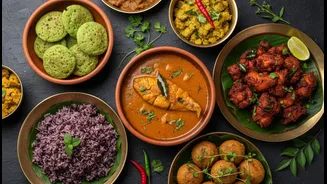
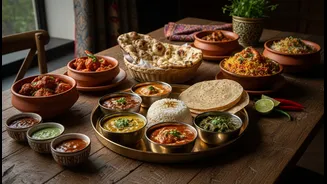
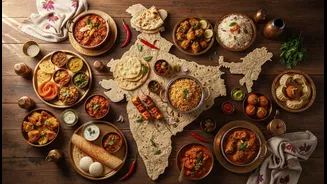
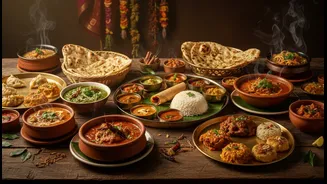
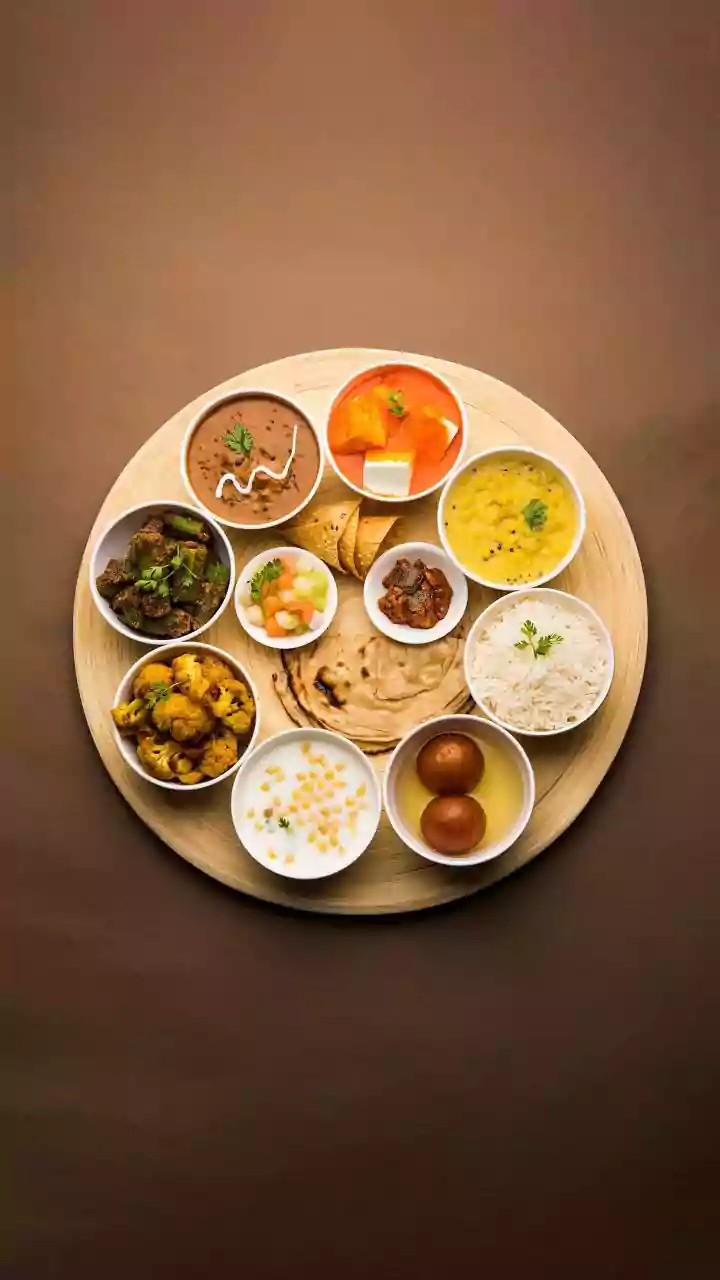
To say “Indian food” is like saying “European food”—it’s a geographic label for dozens of distinct culinary traditions. India's diverse climates, geography, and cultural histories have cultivated a stunning variety of regional cuisines. In the south, you'll find lighter, tangier flavors built on rice, coconut, and tamarind in states like Kerala and Tamil Nadu. Western India offers the vibrant vegetarian thalis of Gujarat, known for their unique sweet and salty notes, and the coastal, Portuguese-influenced cuisine of Goa. In the East, Bengali cuisine features mustard oil and delicate freshwater fish dishes, alongside a famed repertoire of milk-based sweets. Each region tells a different story through its ingredients, from the fiery chillies of Andhra to the subtle, fragrant spices of the Himalayas.
The New Guard of Culinary Curators
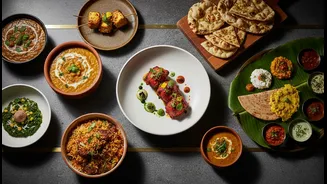
A new generation of Indian chefs is confidently challenging the old stereotypes. Moving away from what some call “performative modernity” with foams and smoke, these chefs are focusing on authenticity and a deep exploration of India's culinary roots. They are championing hyper-regional dishes and indigenous ingredients, from forgotten millets to hyperlocal vegetables, that were once considered too unfamiliar for mainstream audiences. This movement isn't about diluting flavors but presenting them with pride and precision, sometimes using modern techniques like sous-vide to enhance traditional recipes. Chefs like Vikas Khanna, Srijith Gopinathan, and Vijay Kumar are earning global accolades by celebrating the specific, uncompromising flavors of their heritage, proving that diners crave authenticity over approximation.
Beyond the Chilli
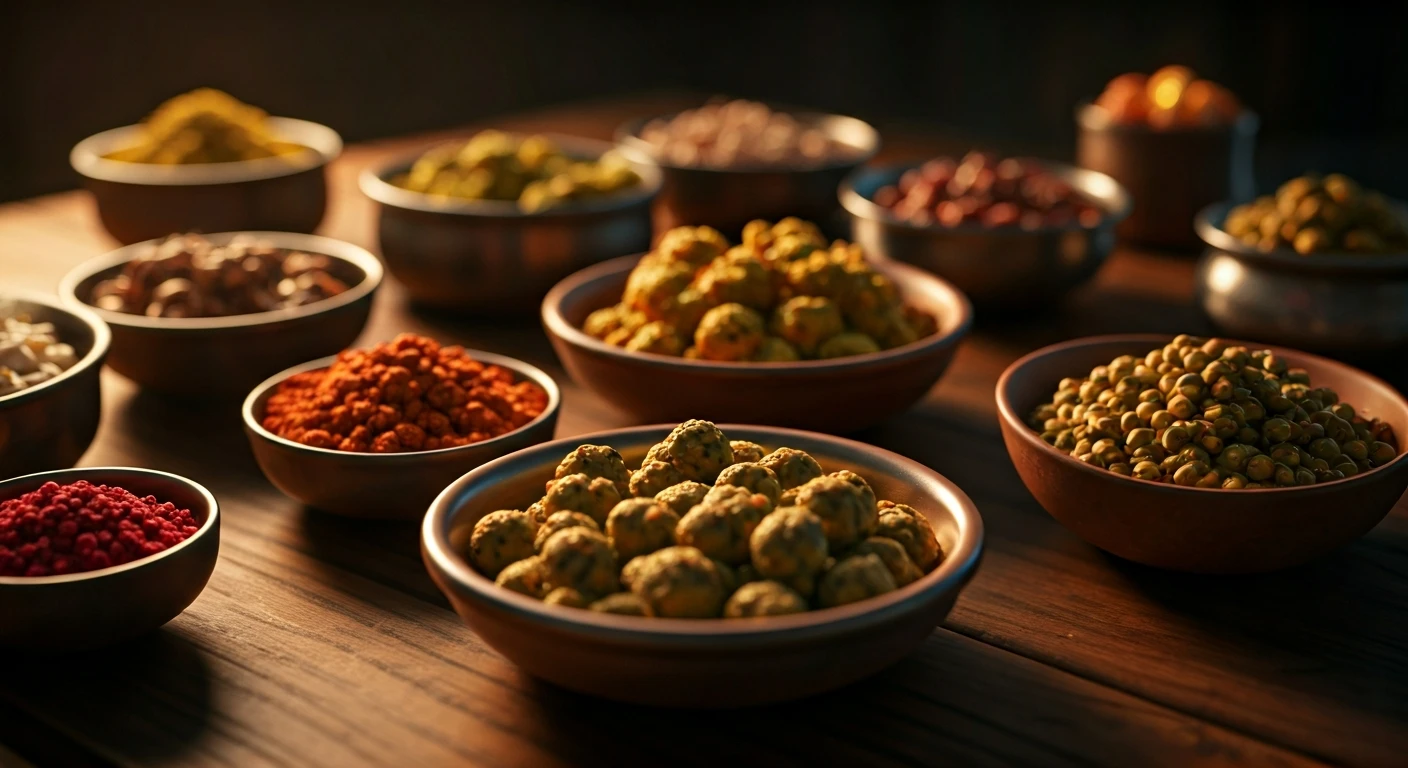
The idea that 'spice' simply means 'heat' is perhaps the biggest misconception. In Indian cooking, spices are used to create complex layers of aroma and flavor, not just to burn the palate. Spices like cumin, coriander, turmeric, and cardamom add warmth, earthiness, and fragrance. Traditional Indian cuisine often strives to balance six fundamental tastes: sweet, sour, salty, bitter, pungent (the 'heat' from chillies), and astringent. A well-made dish is a symphony of these flavors. The tang of tamarind, the bitterness of fenugreek, and the sweetness of jaggery all play a crucial role. Even the finishing touch of a 'tadka'—spices bloomed in hot oil—is about adding a final layer of aroma, not just heat.
How to Explore This New World
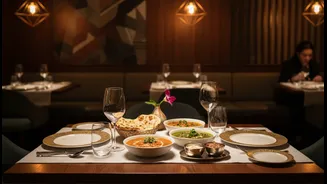
With this culinary renaissance in full swing, there has never been a better time to explore the depth of Indian food. Look past the familiar butter chicken or tikka masala on the menu, which are seeing declining interest as diners become more adventurous. Ask your server about regional specialities or the chef's signature dishes. Don't be afraid to try something that isn't a curry at all, like chaat (savory snacks) or dishes from a tandoor. Instead of asking for a dish to be made 'spicy,' inquire about its flavor profile. Is it tangy, creamy, or aromatic? By asking different questions, you open the door to a richer and more rewarding dining experience, discovering that the true soul of Indian food is its incredible variety, not just its heat.