







The Old Gym Myth
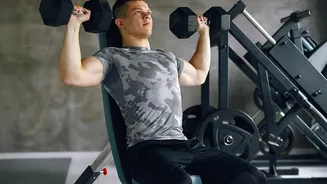
For decades, the idea of 'strength training' was confined to a very specific, and often intimidating, picture. It was the world of clanking iron, grunting men, and complex machines that looked more like torture devices than wellness tools. This perception
created a huge barrier for many people, especially beginners and women, who felt that the weight room was not a space for them. The focus seemed to be on building massive muscle for aesthetic purposes, rather than on building functional strength for a healthier life. This exclusive culture made millions of people believe that getting stronger was something that required an expensive gym membership, a personal trainer, and a high tolerance for feeling out of place. But that myth is finally being dismantled.
Your Body Is the Best Gym
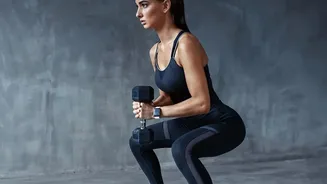
The most significant shift in making strength training accessible has been the widespread embrace of bodyweight exercises. You don't need any equipment to get started—your own body provides all the resistance you need. Exercises like squats, push-ups, lunges, and planks are foundational movements that build incredible strength and stability. They are considered functional exercises because they mimic movements we perform in daily life, like getting up from a chair or lifting a heavy bag, making everyday tasks easier and reducing the risk of injury. The best part? They are infinitely scalable. A beginner can start with knee push-ups or squats to a chair, while a more advanced person can progress to single-leg squats or explosive push-ups. This makes bodyweight training a perfect entry point, building confidence and a solid base of strength.
The Rise of Resistance Bands
If bodyweight training is the foundation, resistance bands are the versatile, affordable, and portable tools that take it to the next level. These simple elastic bands have become a game-changer in home fitness. They are lightweight, cost-effective, and can replicate hundreds of gym exercises, targeting every muscle group. Unlike free weights, bands provide progressive resistance, meaning the tension increases as you stretch them, which keeps muscles engaged throughout the entire movement and is gentler on the joints. From bicep curls and overhead presses to seated rows and glute bridges, bands add challenge and variety to any routine. Their portability means you can get a great workout whether you're at home, in a hotel room, or even in a park.
Knowledge at Your Fingertips
The other major factor democratizing fitness is technology. The rise of smartphones has put a virtual personal trainer in millions of pockets across India. The digital fitness market in India is booming, with countless apps, YouTube channels, and online coaches providing expert guidance, structured workout plans, and form checks. This has removed the guesswork and fear of doing an exercise incorrectly. You can find beginner-friendly routines, follow-along workouts, and communities that offer support and motivation. This shift toward digital and virtual coaching accelerated during the pandemic and has become a permanent fixture, making personalized fitness more affordable and accessible than ever.
Strength for a Better Life
Perhaps the most important change is the shift in 'why' people are strength training. The focus has moved from purely aesthetics to overall wellness and longevity. Regular strength training has profound benefits that go far beyond muscle size. It boosts metabolism, improves bone density (which is crucial for preventing osteoporosis), enhances posture, and improves balance and coordination. It also has significant mental health benefits, acting as a powerful stress reliever by stimulating the production of endorphins. People are realizing that building strength is not about looking a certain way, but about feeling better, moving more efficiently, and future-proofing their bodies for a long and active life.