




The Illusion of Value
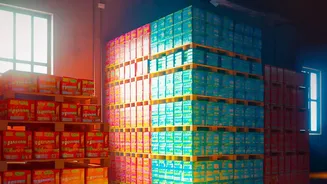
Supermarket aisles are designed to make you feel like you're getting a fantastic deal. Large, brightly coloured packaging that screams 'Jumbo Pack' or 'Family Size' triggers a psychological response that equates size with savings. Our brains are wired
to take mental shortcuts, and a bigger package intuitively feels like a better bargain, discouraging us from doing the actual maths. Marketers know this and use it to their advantage, creating a perception of value that can lead to impulse purchases. The problem is that this perceived saving often disappears if the product isn't fully consumed, turning a supposed bargain into a waste of money and resources.
The Crucial Unit Price Check
The single most important tool for a smart bulk shopper is calculating the unit price. Don't be swayed by the final price tag; instead, determine the cost per gram, per litre, or per item. To do this, simply divide the total cost by the total quantity. For example, a 2kg bag of rice might seem cheaper than a 1kg bag, but is it cheaper per kilogram? Often it is, but sales on smaller packages can sometimes make them the better deal. Most smartphones have a calculator, so take a moment in the aisle to compare. This simple step cuts through the marketing and tells you whether the bulk offer is a genuine discount or just more product for more money.
The Race Against the Expiry Date
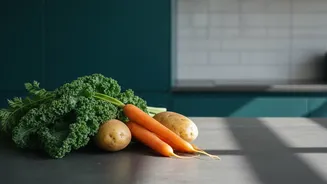
A great price is irrelevant if the product spoils before you can use it. This is the biggest pitfall of buying perishable items in bulk. Fresh fruits and vegetables, milk, yogurt, and bread are classic examples of items that often go to waste in smaller households that buy large quantities. But even non-perishables have a shelf life. Spices lose their potency, whole grains and nuts can go rancid due to their natural oils, and even cleaning products like bleach can lose effectiveness over time. Before buying a large pack, be brutally honest about how quickly your family consumes that item and check the 'best before' date.
The Hidden Cost of Storage
In many Indian homes, storage space is a premium. That giant sack of flour or the case of soft drinks needs a home, and cramming it into an already full cupboard or leaving it in a corner can create clutter and stress. This is a hidden cost of bulk buying. Beyond just the physical space, some items require specific storage conditions. For instance, whole-wheat flour and brown rice last longer when stored in a cool, dry place, and some items are best kept in airtight containers to prevent spoilage or pests. If you have to invest in special containers or a new storage unit, that can eat into your initial savings.
Smart Bulk Buys for the Indian Kitchen
Despite the pitfalls, bulk buying can be a fantastic strategy when done right. For a typical Indian household, certain items are almost always a good bet. Non-perishable staples that are consumed regularly are ideal candidates. This includes items like white rice, lentils (dals), chickpeas (chana), sugar, and all-purpose flour. Cooking oils, ghee, and dried whole spices also have a reasonable shelf life. Non-food items like toilet paper, laundry detergent, and soaps are also excellent bulk purchases as they don't expire and are used consistently. The key is to stick to products you know your family uses week in and week out.
When to Just Say No
Knowing what not to buy in bulk is just as important. Avoid buying large quantities of anything you are trying for the first time. If your family decides they don't like that new brand of noodles, you’re stuck with a dozen packets. Be wary of condiments like ketchup and mayonnaise; once opened, they have a limited life in the fridge. Cosmetics and skincare can also be a bad choice, as they can expire or degrade, and open jars can become contaminated. Finally, resist buying treats and snacks in bulk. Having a large quantity on hand can lead to overconsumption, which isn't good for your health or your wallet.