

More Than Just a Meal
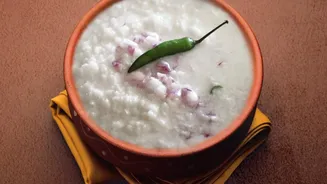
Curd rice is more than food; it's a feeling. Often the final course in a South Indian meal, it serves to cool the palate and aid digestion after a spread of spicy dishes. This practice is rooted in Ayurvedic traditions, which recognise the cooling properties
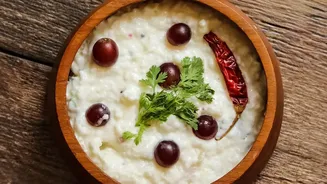
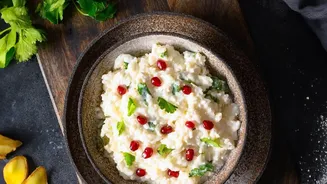
of yogurt. Made by combining soft-cooked rice with curd (plain yogurt), this dish is a symbol of comfort, often turned to when one is feeling unwell or simply in need of a gentle, nourishing meal. Its cultural significance is profound; it's a household staple, a common offering in temples as 'prasadam' (blessed food), and a nostalgic reminder of home for many. The probiotics in the curd are known to support gut health, making it a functional and beloved dish across generations.
How to Make Classic Curd Rice
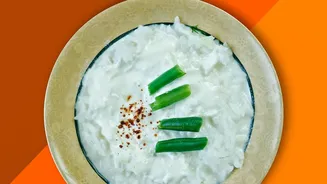
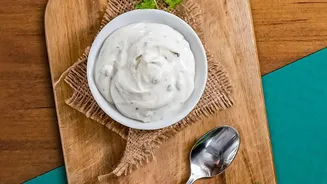
The secret to exceptional curd rice lies in the texture of the rice and the quality of the curd. The rice should be cooked until very soft, almost mushy. Many recipes suggest overcooking the rice with extra water to achieve this consistency. Once cooked, the rice should be mashed slightly while warm and allowed to cool completely before the curd is added to prevent it from splitting. For a creamier texture, a splash of milk can be mixed in with the curd. This also helps prevent the dish from becoming too sour if it's being packed for lunch. Mix the cooled, mashed rice with fresh, thick curd and salt until you have a creamy, porridge-like consistency. While delicious on its own, the magic is elevated with a simple tempering.
The Art of the Tadka
The tempering, or 'tadka', is what gives curd rice its aromatic and flavourful finish. To prepare it, heat a small amount of oil or ghee in a pan. Add mustard seeds and wait for them to splutter. Then, add urad dal (split black gram), and sometimes chana dal, frying until they turn golden and crisp. Follow this with finely chopped ginger, green chillies, and a handful of fresh curry leaves, which will crackle and release their distinct aroma. A pinch of asafoetida (hing) is typically added at the end before the entire sizzling mixture is poured over the curd and rice. This simple process adds layers of texture and flavour that transform the dish from plain to extraordinary.
Creative Variations and Add-Ins
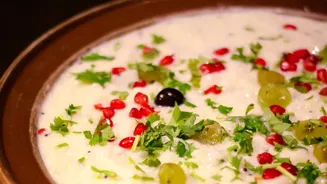
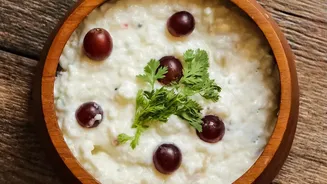
While the classic version is a masterpiece of simplicity, curd rice is also a wonderful canvas for customisation. For a touch of freshness and crunch, many people mix in grated carrots, finely chopped cucumber, or jewel-like pomegranate seeds. These additions not only add texture and flavour but also boost the nutritional value. In some variations, you might find pieces of raw mango, grapes, or even cashews. The key is to balance the additions so they complement the creamy, cooling nature of the dish rather than overpowering it. For a richer version, especially for parties, a spoonful of fresh cream or butter can be added.
The Universe of Indian Curd Dishes
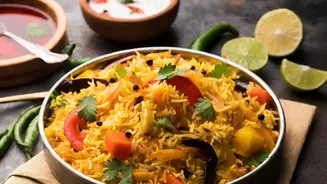
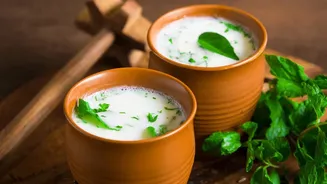
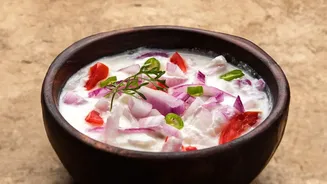
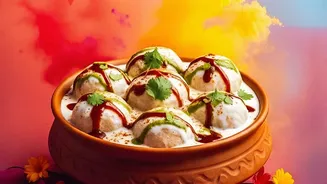
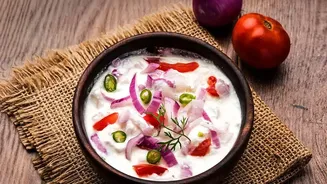
Curd rice is just one star in a galaxy of curd-based dishes that are integral to Indian cuisine. Kadhi, a popular curry, uses a base of curd and gram flour (besan) to create a tangy, soupy dish that's often served with rice. Raitas are another versatile category, where whisked curd is mixed with vegetables like cucumber, onion, or tomato, and seasoned with spices like roasted cumin powder. Then there are Dahi Vadas, where soft lentil dumplings are soaked in sweet and spiced yogurt, creating a beloved snack and side dish. From the Dahi Aloo of the north to the refreshing Pachadi of the south, curd is a culinary cornerstone that provides flavour, coolness, and nourishment across the country.