




Ditching the All-or-Nothing Mindset
For many, the biggest hurdle to fitness is the belief that a workout only 'counts' if it's a grueling, hour-long session at the gym. This all-or-nothing approach often leads to, well, nothing. Life gets busy, motivation wanes, and the monumental task
of a long workout feels impossible to schedule. But a growing body of research suggests we've been looking at it all wrong. The real driver of long-term health benefits isn't the intensity of a single workout, but the simple act of showing up, day after day. Consistency is far more important than intensity for longevity. Shifting the focus from heroic, infrequent efforts to small, daily wins can completely transform your relationship with exercise, making it a sustainable part of your life instead of a chore you constantly fail to begin.
The Science of 'Exercise Snacking'
Researchers have given these brief workouts a fitting name: 'exercise snacks'. These are short, vigorous bursts of activity, from 20 seconds to a few minutes, spread throughout the day. Instead of one large meal of exercise, you're having several bites. The concept is similar to high-intensity interval training (HIIT), but the rest periods are much longer—often an hour or more. The benefits are surprisingly vast. Studies show these mini-workouts can improve cardiovascular health, lower blood pressure, help regulate blood sugar, and even decrease triglyceride levels in your blood. One study found that brief, repeated stair climbing sessions significantly improved fitness. The cumulative effect of these 'snacks' helps people meet the recommended weekly activity guidelines without the pressure of a single, lengthy workout.
Consistency Builds More Than Muscle
The magic of a daily five-minute routine extends far beyond physical health. It's a powerful psychological tool. When you commit to a small, achievable goal and meet it every day, you build self-efficacy—the belief in your ability to succeed. This creates a positive feedback loop. Each session is a small victory that reinforces your identity as 'a person who exercises'. Regular exercise is a proven mood booster, triggering the release of endorphins and other 'feel-good' brain chemicals like serotonin and dopamine that can reduce symptoms of anxiety and depression. It also helps the body manage stress more effectively. By starting small, you avoid the burnout and psychological defeat that often comes from overly ambitious plans, creating a habit that sticks because it feels good, not punishing.
How to Make Your Five-Minute Habit Stick
The key to consistency is removing friction. Make your five-minute workout so easy to start that it's harder to skip than to do. One of the most effective methods is 'habit stacking'. Link your new micro-workout to an existing daily habit. For example, 'After I brush my teeth in the morning, I will do my five-minute exercise routine'. Choose a consistent time and place. Lay out your workout clothes the night before. Have a pre-selected video or list of exercises ready to go. On days when you feel unmotivated, tell yourself you only have to do the warm-up, or even just one minute. More often than not, starting is the hardest part. The goal is to make showing up automatic, a non-negotiable part of your day, just like making your morning coffee.
What a Powerful Five Minutes Looks Like
You don't need any special equipment to get an effective workout in five minutes. Bodyweight exercises are perfect for these short bursts. The goal is to get your heart rate up and engage major muscle groups. A simple and effective routine could be performing each of the following for one minute:
1. Jumping Jacks: A great way to warm up and get your heart pumping.
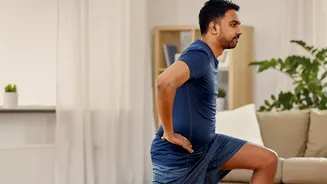
2. Bodyweight Squats: Focus on form, keeping your chest up and sitting back as if into a chair.
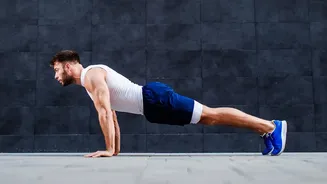
3. Push-ups: Do them on your knees or against a wall if a standard push-up is too difficult. The goal is controlled movement.
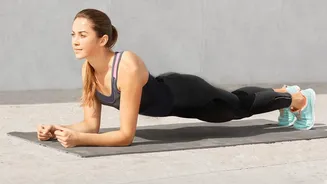
4. Plank: Hold a steady plank, keeping your body in a straight line from head to heels.
5. High Knees or Running in Place: Keep it vigorous to maximize the cardiovascular benefit.
Remember to move with intention. A vigorous effort where it becomes difficult to say more than a few words is a good benchmark. Even this short routine, done consistently, adds up to 35 minutes of exercise a week, building a foundation for a healthier, more active life.