



What is Emmer, Anyway?
Before you dive into baking, it helps to know your grain. Emmer is one of humanity’s oldest cultivated crops, a variety of farro that dates back thousands of years. In India, it's often known as 'khapli' wheat. Unlike modern bread flour, which has been
bred for high gluten content and elasticity, emmer is an 'ancient grain' with a very different personality. It’s prized for its rich, nutty, and slightly sweet flavour profile. Nutritionally, it packs a punch, boasting higher levels of protein, fibre, and essential minerals like magnesium and zinc compared to many common wheat varieties. This unique makeup is what gives it its distinct taste and texture, but it’s also what makes it a little tricky to work with.
Why Is It Suddenly Everywhere?
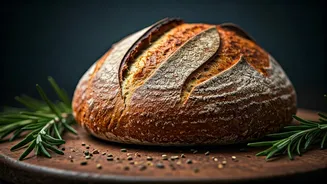
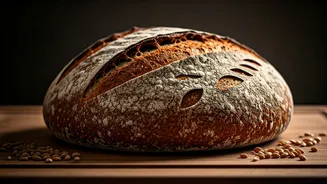
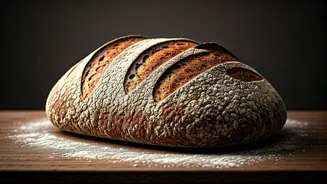
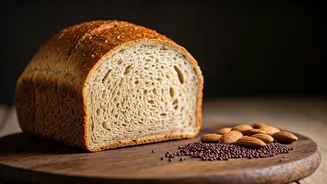
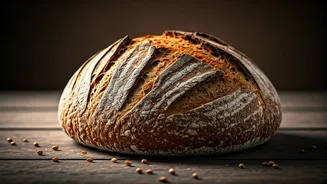
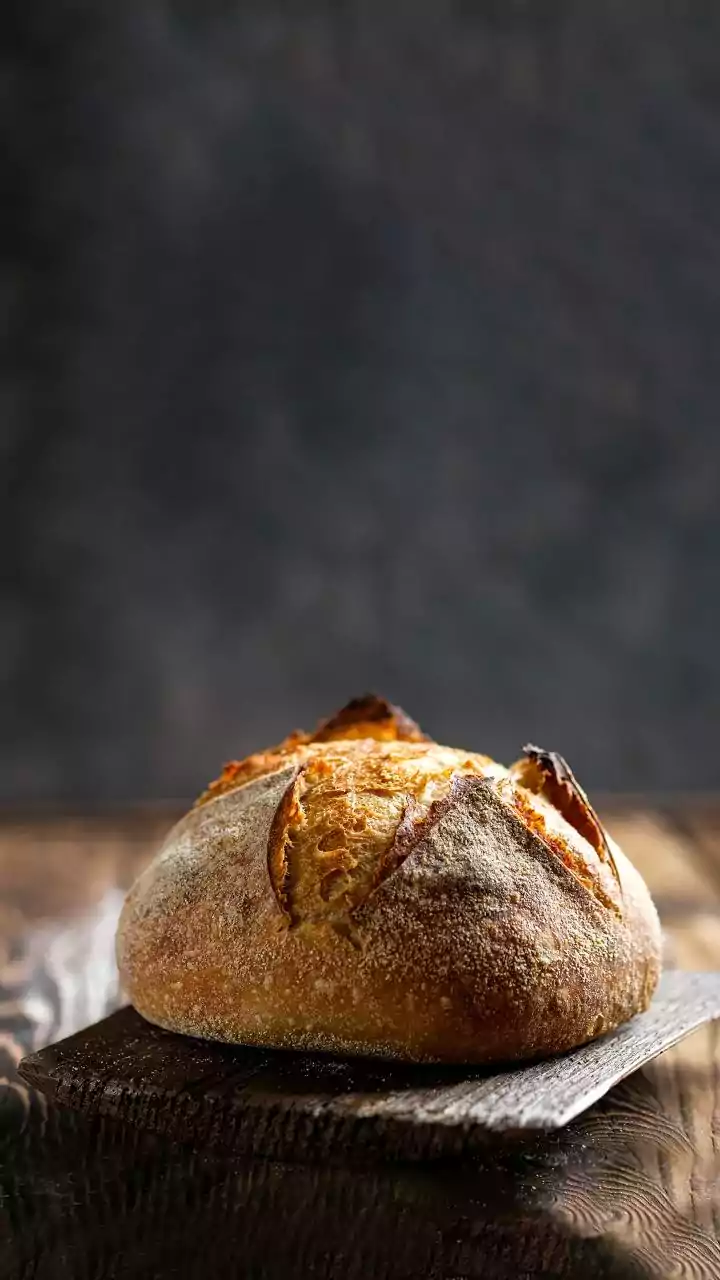
The resurgence of emmer is driven by a few key factors. Firstly, there’s the flavour. Home bakers are constantly searching for ways to add more complexity to their loaves, and emmer delivers a depth that modern wheat simply can't match. Secondly, there's a growing interest in wellness and nutrition. While it's not gluten-free, some people find the gluten structure in ancient grains like emmer easier to digest. The higher fibre and protein content also align with a desire for more wholesome, less processed foods. Finally, there’s the aesthetic. The viral videos don’t lie: emmer gives bread a beautiful, rustic, reddish-brown crumb and a wonderfully craggy crust that’s impossible to resist showing off.
The Challenge: Working with Weaker Gluten
Here's the most important thing to understand before you start: you cannot simply swap emmer flour for your regular bread flour. The gluten in emmer is weaker and less elastic. If you treat it like standard high-protein flour, you'll likely end up with a dense, gummy loaf or a soupy mess. Modern bread flour is designed to be stretched and pulled, developing a strong gluten network that traps gas and gives sourdough its signature open crumb. Emmer’s gluten network is more delicate. It absorbs water differently and can break down if it’s over-mixed or over-fermented. This isn't a flaw; it's just a different characteristic that requires a gentler approach and a keen eye.
Your Keys to Emmer Sourdough Success
Those viral tutorials often make it look effortless, but success comes from technique. Here are the core principles to follow for a beautiful emmer loaf.
1. Start with a Blend: Don't go 100% emmer on your first try. Start with a blend of 30% emmer and 70% strong bread flour. This will give you the flavour of emmer with the more forgiving structure of modern wheat. You can gradually increase the percentage as you get more comfortable.
2. Manage Hydration Carefully: Emmer is thirsty and will soak up a lot of water, but its weak gluten can’t hold that water for long. Add your water slowly, holding some back until you see how the dough feels. It might feel stiff at first, but it will slacken significantly during fermentation. Aim for a dough that feels tacky but not overly sticky.
3. Watch the Dough, Not the Clock: Because the gluten is fragile, emmer ferments faster and can overproof quickly. The signs of fermentation—a domed top, visible bubbles—will appear sooner than you might expect. Rely on visual cues rather than sticking to a rigid timeline from a recipe designed for standard wheat.
4. Be Gentle: Forget aggressive slap-and-folds. Use gentle coil folds or stretch-and-folds in the bowl to build strength without tearing the delicate gluten network. When it comes to shaping, use a light touch to create tension without degassing the loaf completely.