



Chaler Payesh from Bengal
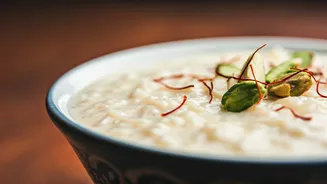
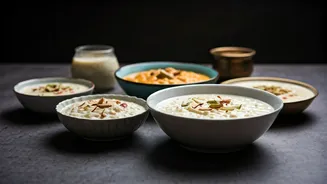
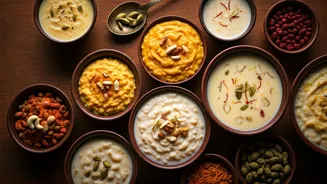
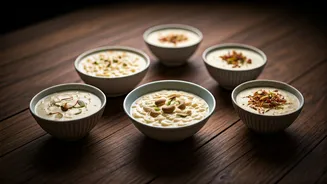
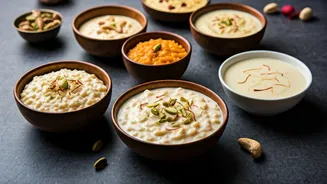
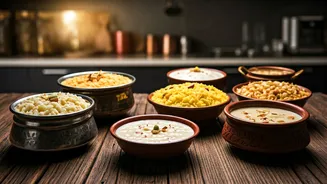
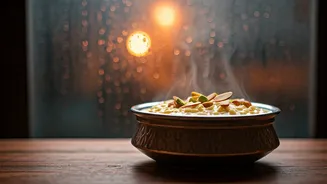
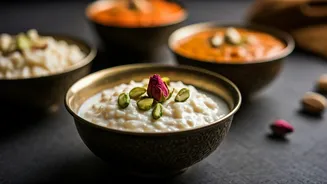
In Bengal, no celebration is truly complete without a bowl of Chaler Payesh. [14] This quintessential rice pudding is defined by its use of Gobindobhog rice, a short-grained, aromatic variety that lends the dessert its unique fragrance and creamy texture.
[16, 19] Slow-cooked in full-fat milk with bay leaves and cardamom, the pudding reduces until the rice is perfectly soft and the milk has thickened to a luscious consistency. [20, 23] Often sweetened with sugar or the region's famous date palm jaggery (Nolen Gur) during winters, it strikes a perfect balance of subtle sweetness and rich, milky flavour. [14, 25] It’s a comforting, soulful dish that evokes a sense of home and festivity in every spoonful. [20]
Kong Phirin from Kashmir
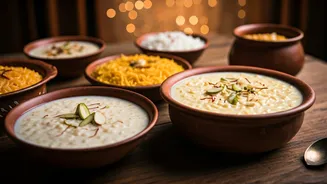
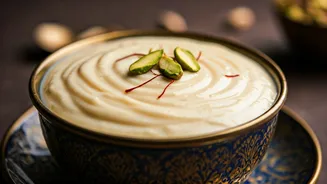
Travel north to the valleys of Kashmir, and you'll discover Kong Phirin, a lighter, yet equally enchanting, version of the classic pudding. [8] Unlike its rice-based cousins, Kong Phirin is made with semolina (suji or rava), which creates a finer, more delicate texture. [3, 21] The name 'Kong' refers to saffron, the prized spice of Kashmir that gives the dish its beautiful golden hue and distinctive aroma. [22] Flavoured with cardamom and traditionally set in small, shallow earthenware bowls called 'shikoras', the clay absorbs excess moisture, resulting in a firm, yet creamy, consistency. [8, 21] Served chilled, it’s a refreshing and elegant dessert that captures the essence of Kashmiri flavours. [15]
Semiya Payasam from the South
Across South India, Semiya Payasam is a beloved staple at festivals, weddings, and family gatherings. [13, 30] Made with thin vermicelli noodles (semiya), this version is known for being quick and easy to prepare. [24] The vermicelli is typically roasted in ghee until golden brown before being simmered in milk until tender. [24, 31] Sweetened with either sugar or jaggery and generously studded with ghee-fried cashews and raisins, every spoonful offers a delightful mix of creamy, nutty, and sweet notes. [13] Its origins trace back to ancient temple traditions where 'payasam' was a sacred offering. [13]
Mangane from Goa
Along the coast in Goa, a unique and hearty kheer known as Mangane takes centre stage during festivals. [4] This traditional dessert is distinct for its use of chana dal (split Bengal gram) and sabudana (tapioca pearls), which are cooked in fragrant coconut milk instead of dairy milk. [5, 7] Sweetened with earthy palm jaggery, it has a complex flavour profile that is both sweet and savoury. [6] The addition of coconut chunks and cashews provides a wonderful textural contrast to the soft dal and chewy sabudana. [4, 5] It's a comforting, dairy-free dessert that beautifully reflects the coastal bounty of the region. [7]
Gajar ki Kheer from Punjab
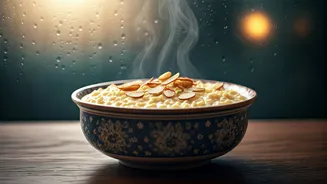
A winter speciality in North India, particularly Punjab, Gajar ki Kheer is a vibrant and nutritious take on the classic pudding. [17] Instead of grains, this kheer uses grated carrots as its base. The carrots are slow-cooked in milk until they become tender and infuse the pudding with their natural sweetness and a beautiful saffron-orange hue. [17] Flavoured with cardamom and garnished with almonds and pistachios, it’s a warm, comforting dessert that’s both wholesome and indulgent. It offers a delightful way to enjoy the season's best produce. [9]