





Understanding India's E-Visa
First launched in 2014 for citizens of 43 countries, India's e-Visa system has grown significantly. It now serves travellers from 172 nations and covers various categories, including tourism, business, medical visits, and more. The system allows eligible
foreign nationals to receive an Electronic Travel Authorisation (ETA) online before their trip, streamlining the entire process. Instead of visiting an embassy, applicants can complete the process from home, with the government reporting that about 95% of applications are approved within 72 hours. This digital-first approach has proven immensely popular; electronic visas now account for approximately 78% of all visas India issues.
The 11 New Gateways to India
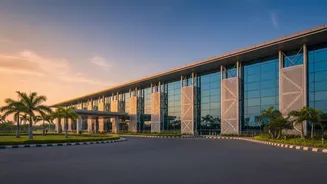
In a move to make the country even more accessible, the Ministry of Home Affairs has approved 11 new entry points for e-Visa holders. The expansion includes two new airports and nine land border crossings, bringing the total number of authorised entry points to 88. The new additions are: New Airports: - Bhopal Airport (Madhya Pradesh) - Tirupati Airport (Andhra Pradesh) New Land Ports: - Agartala (Tripura) - Attari (Punjab) - Darranga (Assam) - Dawki (Meghalaya) - Gede (West Bengal) - Ghojadanga (West Bengal) - Haridaspur (West Bengal) - Jaigaon (West Bengal) - Moreh (Manipur) These additions are designed to facilitate smoother travel and boost the appeal of the electronic visa regime.
How This Changes Your Travel Plans
The addition of these new entry points offers significant advantages for travellers. The inclusion of Bhopal Airport provides a more direct route into the heart of central India, while Tirupati Airport offers another gateway for pilgrims and tourists visiting the famous temple in Andhra Pradesh. Previously, many travellers had to fly into major hubs like Delhi or Mumbai and then take connecting flights. This expansion allows for more direct arrivals closer to final destinations, saving time and simplifying logistics. The most significant change is the addition of nine land ports. These new gateways on the borders with Bangladesh, Bhutan, Myanmar, and Pakistan will greatly benefit those planning regional tours that combine India with its neighbours. This opens up new overland travel possibilities that were previously more complicated for e-Visa holders.
What You Need to Know Before You Go
While this expansion offers more flexibility, it is crucial to remember that you can only enter India through a designated e-Visa port. Attempting to enter through a non-authorised airport, seaport, or land border may result in being denied entry, even with a valid e-Visa. The total network now consists of 37 airports, 38 seaports, and 13 land ports. Before finalising your travel plans, always check the official Government of India e-Visa website for the most current list of authorised entry points, as this can be updated. Also, note that while you must enter through a designated port, you are generally permitted to exit India from any of the authorised Immigration Check Posts across the country. Always carry a printed copy of your approved Electronic Travel Authorisation (ETA) with your passport when you travel.