








An Enduring Legacy Baked in Earth
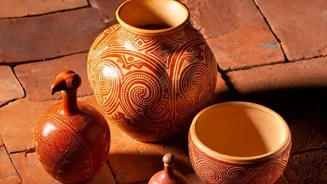
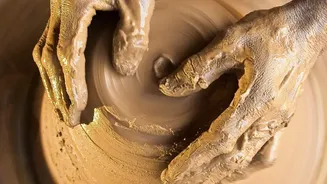
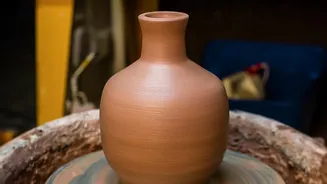
Terracotta, literally ‘baked earth,’ is woven into the fabric of Indian life. For millennia, the Kumbhakar, or potter communities, have shaped clay into objects of both daily utility and divine significance. From the humble 'kulhad' (tea cup) and 'matka'
(water pot) that naturally cool their contents, to the intricate idols of deities and decorative diyas that illuminate festivals like Diwali, these items are part of a rich cultural heritage. This craft, with roots tracing back to the Indus Valley Civilization, is not just about producing objects; it’s a sustainable practice that uses natural elements and tells stories of community, history, and belief.
The Pressure of a Modern Market
Despite its deep roots, the traditional pottery industry has faced immense pressure. The rise of cheaper, more durable industrial materials like plastic and steel saw demand for earthen products decline. Artisans often found their profits squeezed by middlemen and struggled to compete with the uniform finish of machine-made goods. Many in the younger generation, seeing limited financial prospects and social status, began to abandon the family craft for other professions. This shift threatened not just a livelihood, but the very survival of ancestral skills passed down through generations.
A Contemporary Renaissance in Clay
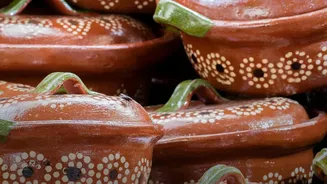
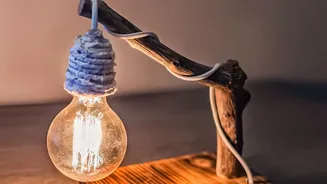
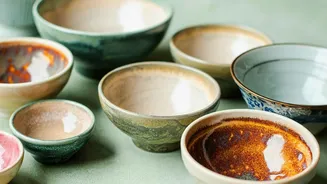
Yet, a quiet renaissance is underway, fueled by artisan ingenuity and a shift in consumer consciousness. A new generation of artisans, alongside contemporary designers, is reimagining terracotta for the modern home. They are blending age-old techniques with minimalist aesthetics, creating products that appeal to urban and global tastes. Kitchens are now being stocked with chic, unglazed handis perfect for slow cooking, stylishly baked black water bottles, and even terracotta pizza platters. Beyond the kitchen, artisans are crafting elegant, hand-painted table lamps, decorative wall tiles, and minimalist vases that celebrate the earthy texture of the clay while fitting seamlessly into contemporary decor.
From Local Markets to Global Screens
The internet has become a powerful new wheel for potters. E-commerce platforms and social media have opened a direct channel between artisans and customers, both domestic and international. This digital bridge allows them to bypass intermediaries and tell their own stories, showcasing their craftsmanship to a global audience eager for authentic, handmade goods. Government initiatives like the India Handmade portal, along with private websites like iTokri and The India Craft House, are providing crucial platforms that connect weavers and artisans directly to new markets, ensuring fairer prices and wider recognition.
The Conscious Consumer
This revival is not just a story about artisans; it’s also about changing consumer values. There is a growing movement towards sustainability, wellness, and supporting local economies. Customers are increasingly seeking products with a story, eco-friendly credentials, and the unique 'imperfection' of a human touch. They are recognizing that cooking in clay is healthier, storing water in earthen pots is a natural way to cool it, and decorating a home with handcrafted items is a vote for cultural preservation. This conscious choice is creating a powerful demand that honours tradition while embracing innovation, ensuring the potter's wheel keeps turning for generations to come.