


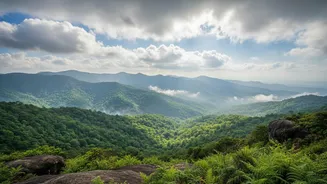
The Big Picture: A Below-Normal August
The India Meteorological Department (IMD) has provided its outlook for August 2026, and it's a mixed bag for travellers. The headline forecast is for below-normal rainfall for the country as a whole, expected to be less than 94% of the long-period average.
This is largely influenced by a moderate El Niño, which tends to weaken the monsoon. While this might sound like good news for those tired of relentless downpours, it doesn't mean the entire country will be dry. The forecast points to uneven rainfall, with specific regions still prone to heavy showers while others remain drier than usual. Temperatures are also expected to be above normal across most of the country. For travellers, this means a more nuanced approach is needed, focusing on regional forecasts rather than the national average.
High-Risk Zones: Where to Be Cautious
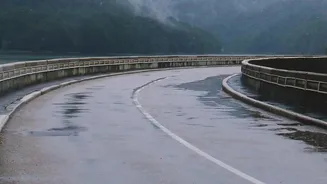
Even with a below-normal forecast overall, certain areas remain vulnerable to intense monsoon activity. Traditionally, mid-August is peak monsoon season, and travellers must remain vigilant about specific regions. The Himalayan states, including Uttarakhand and Himachal Pradesh, are always at high risk for landslides and road closures during this period, and any travel there should be undertaken with extreme caution and flexibility. The Northeast, particularly states like Assam and Meghalaya, is also expected to receive heavy to very heavy rainfall. Coastal areas, including Goa and the Konkan coast, will experience rough seas, making swimming and water sports unsafe. While these regions look beautiful and lush, they can also see travel plans disrupted by sudden, intense weather events. Always check local advisories and have backup plans.
Safer Bets: Where to Plan Your Getaway
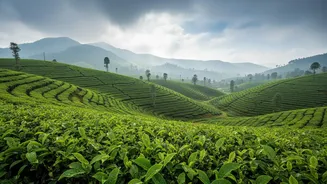
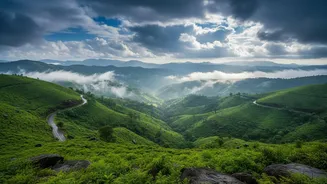
Looking for destinations with a lower weather risk? The key is to find regions that are either in a rain-shadow or typically receive less intense rainfall in August. Ladakh remains a prime choice, as it is a high-altitude desert that receives almost no monsoon rain, offering clear skies and open roads for adventure. Parts of Rajasthan, like Udaipur and Jaipur, also become pleasant as the monsoon fills the lakes and cools the desert heat without constant downpours. The IMD forecast also suggests that some parts of peninsular and central India may see normal to above-normal rain, which, in a generally 'below-normal' month, could translate to pleasant, manageable showers that bring the landscape to life without causing major disruptions. Destinations in the well-managed hill stations of the Western Ghats and Nilgiris, such as Munnar, Coorg, and Ooty, can also be good options, as they are accustomed to monsoon tourism.
Your Monsoon Travel Safety Checklist
Regardless of where you go, monsoon travel requires extra preparation. First, build flexibility into your itinerary. Add buffer days to account for potential delays from road closures or cancelled flights, especially in hilly or coastal regions. Second, pack appropriately. A lightweight raincoat, quick-dry clothing, and waterproof bags for electronics are essential. Choose footwear with a good grip for slippery surfaces. Third, stay informed. Check the IMD website and local news for real-time weather alerts both before you leave and during your trip. Inform family or friends of your itinerary. Finally, prioritize road safety. Avoid driving during heavy downpours, especially at night. When travelling to hill stations, always inquire about road conditions ahead of time and be prepared for long halts if landslides occur. A little caution can ensure your long weekend remains a happy memory.