

The Lithium-Ion Bottleneck
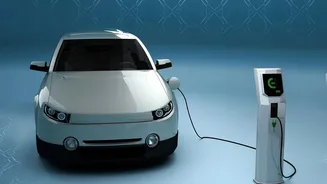
For years, the heart of every electric vehicle has been the lithium-ion battery. While powerful, these batteries rely on materials like lithium and cobalt, which are expensive, geographically concentrated in a few countries, and come with significant
environmental and ethical concerns. This dependency has kept EV prices high, putting them out of reach for many Indian consumers. The battery alone can account for nearly half the cost of an EV, creating a major roadblock for India's ambitious green mobility goals. The fluctuating global prices of these materials also create an unstable supply chain for Indian manufacturers, making it difficult to control costs and scale production.
Enter the Salt-Based Solution
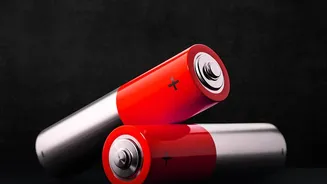
The much-hyped alternative is the sodium-ion battery, a technology that swaps out expensive lithium for abundant and inexpensive sodium. Sodium, the same element found in common table salt, is one of the most plentiful materials on Earth, with vast reserves available right here in India. This move away from scarce resources is the cornerstone of why these 'salt-based' batteries promise a more sustainable and economically viable future. The core technology is not new, but recent innovations have made sodium-ion batteries a serious contender, capable of competing with their lithium-ion counterparts in performance and safety.
The Advantage for India
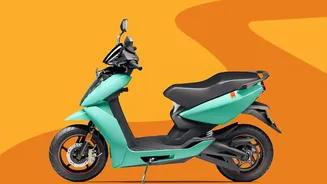
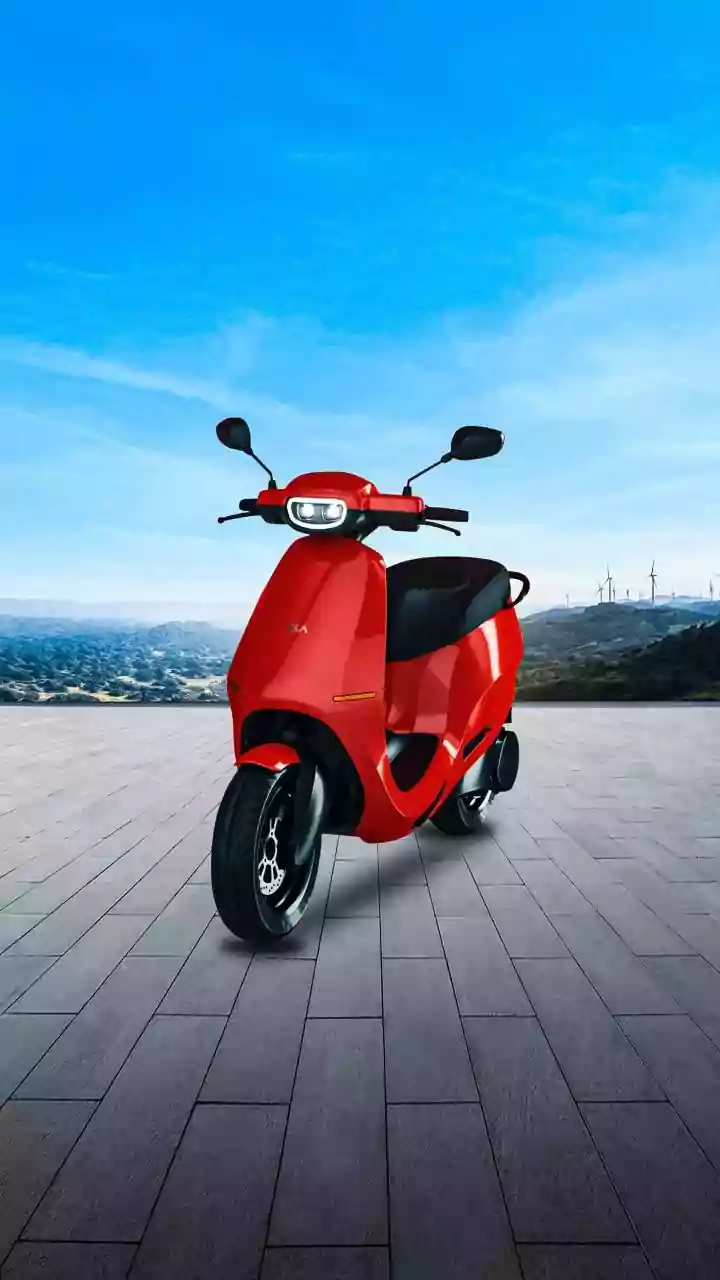
The benefits for India are twofold. First, the cost. By using locally available, cheap raw materials, sodium-ion batteries could be up to 30% cheaper to produce than lithium-ion versions. This saving would directly translate into lower sticker prices for electric two-wheelers, three-wheelers, and eventually, cars. Second, it addresses a major strategic vulnerability. It reduces India's dependence on imported battery components and raw materials, aligning perfectly with the 'Make in India' initiative. Companies can build a more resilient local supply chain, insulated from global price shocks and geopolitical tensions.
Indian Giants Are Powering Up
This isn't just a theoretical concept; major Indian corporations are investing heavily. Reliance Industries acquired UK-based sodium-ion pioneer Faradion and plans to use the technology in its giga-factory in Jamnagar. Similarly, Pune-based software and engineering firm KPIT Technologies has developed its own indigenous sodium-ion battery technology, which it is commercializing with partner Trentar Energy Solutions. Startups are also joining the race, with IIT-Roorkee spin-off Indi Energy developing unique batteries using hard carbon derived from agricultural waste, tackling both energy and pollution challenges.
Performance, Patience, and Potential
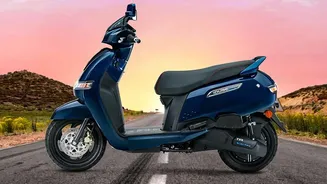
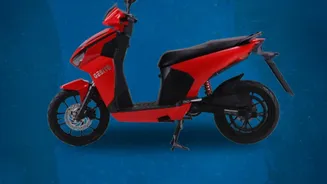
So, what's the catch? Historically, sodium-ion batteries offered lower energy density, meaning less range for an EV compared to a lithium-ion battery of the same size. However, recent breakthroughs are rapidly closing this gap. New designs promise excellent lifespan, with some retaining 80% capacity after 3,000 to 6,000 charging cycles, along with faster and safer charging capabilities. While the technology is maturing quickly—with some researchers reaching advanced stages of readiness—the transition from pilot projects to mass commercial production could still take two to three years. These batteries are expected to first appear in applications where extreme range isn't critical, like e-rickshaws, city commuter scooters, and stationary energy storage, before making their way into long-range passenger cars.