






A Shift in the Indian Itinerary
For years, the Indian tourism landscape was dominated by well-trodden circuits. Think the Golden Triangle, the beaches of Goa, or the backwaters of Kerala. These remain popular, but a significant shift is underway. An increasing number of domestic travellers
are now venturing into the wild, exploring the countryside, and embarking on spiritual journeys. A recent report from ASSOCHAM and CBRE identified wildlife, rural, and spiritual tourism as key emerging areas of opportunity. This evolution is driven by a desire for authenticity, a post-pandemic preference for open spaces, and improved connectivity that is making once-remote locations more accessible. Government initiatives like 'Dekho Apna Desh' and Swadesh Darshan 2.0 are also playing a crucial role, actively encouraging Indians to discover the diverse experiences within their own borders.
The Call of the Wild
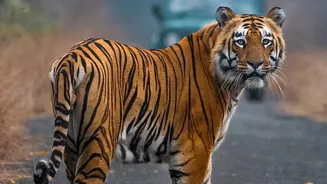
The thrill of spotting a tiger in its natural habitat or witnessing a flock of migratory birds is proving to be a powerful draw. Wildlife tourism and ecotourism are no longer niche interests but a burgeoning segment. Destinations like Ranthambore and Satpura are seeing increased interest, with branded operators expanding their presence with eco-friendly lodges. This trend is supported by a growing consciousness among travellers about conservation. Ecotourism offers a way to experience India's incredible biodiversity—from its 106 national parks to its numerous biosphere reserves—while contributing to the preservation of these fragile ecosystems and supporting local communities. The government's focus on developing tourism in ecologically sensitive areas in a responsible manner is further fueling this growth, positioning nature-based travel as a key part of India's future.
Back to the Roots: The Rise of Rural Stays
City dwellers, weary of the urban grind, are finding solace in the simplicity and charm of rural India. This has given rise to rural tourism and agritourism, where travellers can experience farm life, stay in traditional homestays, and savour local cuisines. This form of travel offers an immersive cultural experience that goes beyond typical sightseeing. The 'vocal for local' mantra, a cornerstone of the revamped Swadesh Darshan scheme, is being embraced by travellers who are keen to support local economies and artisans. Initiatives like the Best Tourism Villages Competition are highlighting destinations that excel in preserving their heritage and offering authentic experiences. By creating livelihoods for local communities, especially women, and providing a market for handicrafts and traditional skills, rural tourism is fostering inclusive and sustainable development.
A Journey Within: The New Face of Spiritual Travel
Pilgrimage has always been a cornerstone of Indian culture, but spiritual tourism is now attracting a wider audience, including millennials and families. Improved infrastructure, such as the Char Dham Mahamarg and other expressway corridors, has made religious centres more accessible. The experience itself is also evolving, moving from 'travel for faith' to 'travel for experience through faith'. Travellers are combining pilgrimages with heritage, wellness, and local cultural activities. Visitor numbers at major shrines like the Golden Temple and Vaishno Devi have surged past pre-pandemic levels. In response, the hospitality sector is expanding its footprint in these locations, with a noticeable increase in demand for premium accommodation, suggesting travellers are willing to spend more for better experiences on their spiritual journeys.