


Mistake 1: Wearing Cotton and Improper Layers
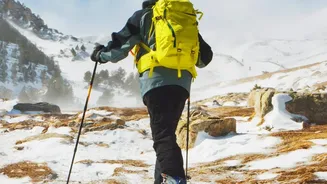
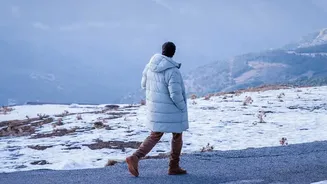
It’s cold, so the instinct is to pile on the heaviest clothes you own. This is a classic error. The real key to warmth is a smart layering system, and the number one rule is to avoid cotton. Cotton absorbs sweat and moisture, then freezes, chilling you to the bone.
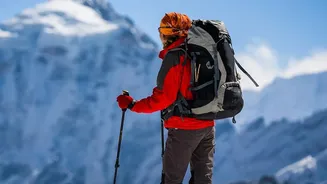
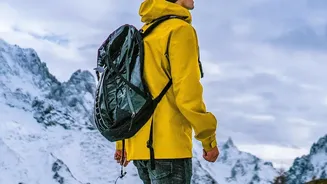
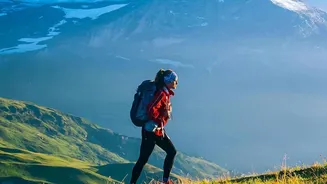
Instead, think in threes: a synthetic base layer that wicks sweat away, a fleece mid-layer that insulates and traps body heat, and a waterproof, windproof outer shell jacket to protect you from the elements. This system allows you to add or remove layers as you heat up while walking or cool down at the campsite, keeping you dry and comfortable.
Mistake 2: Underestimating the Mountain Sun and Dehydration
It might be freezing, but the sun at high altitudes is incredibly strong, especially when reflected off snow. Many first-timers forget to pack proper sun protection, leading to severe sunburn and snow blindness. Sunglasses that offer UV protection are non-negotiable. Similarly, it’s easy to forget to drink water when you don’t feel hot. However, your body loses moisture rapidly in the dry, cold air. Dehydration can worsen symptoms of altitude sickness and sap your energy. Aim to drink at least 4-5 litres of water daily. An insulated bottle can help prevent your water from freezing.
Mistake 3: Ignoring Acclimatization Rules
Altitude sickness is a serious risk that can affect anyone, regardless of fitness level. The biggest mistake is ascending too quickly without giving your body time to adjust to the lower oxygen levels. The golden rule is 'climb high, sleep low', meaning you should descend to a lower altitude for the night after reaching a new height during the day. A well-planned itinerary will include rest days specifically for acclimatization. Listen to your body; symptoms like headaches, nausea, or dizziness are signs to stop, rest, and inform your guide immediately.
Mistake 4: Skimping on Essential Gear
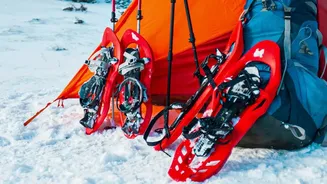
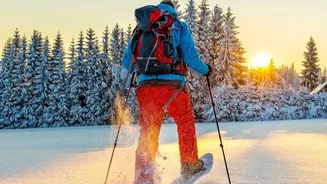
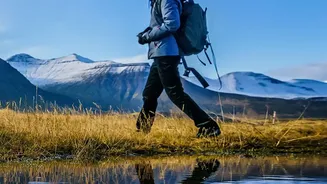
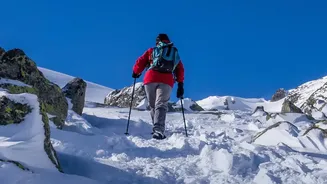
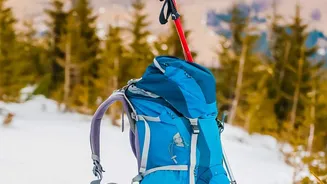
While you don't need to buy the most expensive equipment, certain items are crucial for safety and comfort. Inadequate footwear is a common and dangerous mistake. You need waterproof trekking shoes with good grip. For snowy trails, microspikes or crampons for traction and trekking poles for balance are essential. Don't forget smaller items that make a huge difference: at least two pairs of gloves (in case one gets wet), multiple pairs of woollen socks (keep one dry pair exclusively for sleeping), and a warm woollen cap or balaclava to prevent heat loss from your head.
Mistake 5: Choosing a Trek Beyond Your Fitness Level
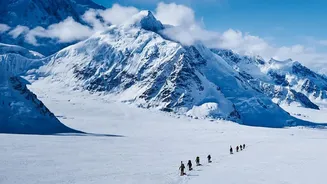
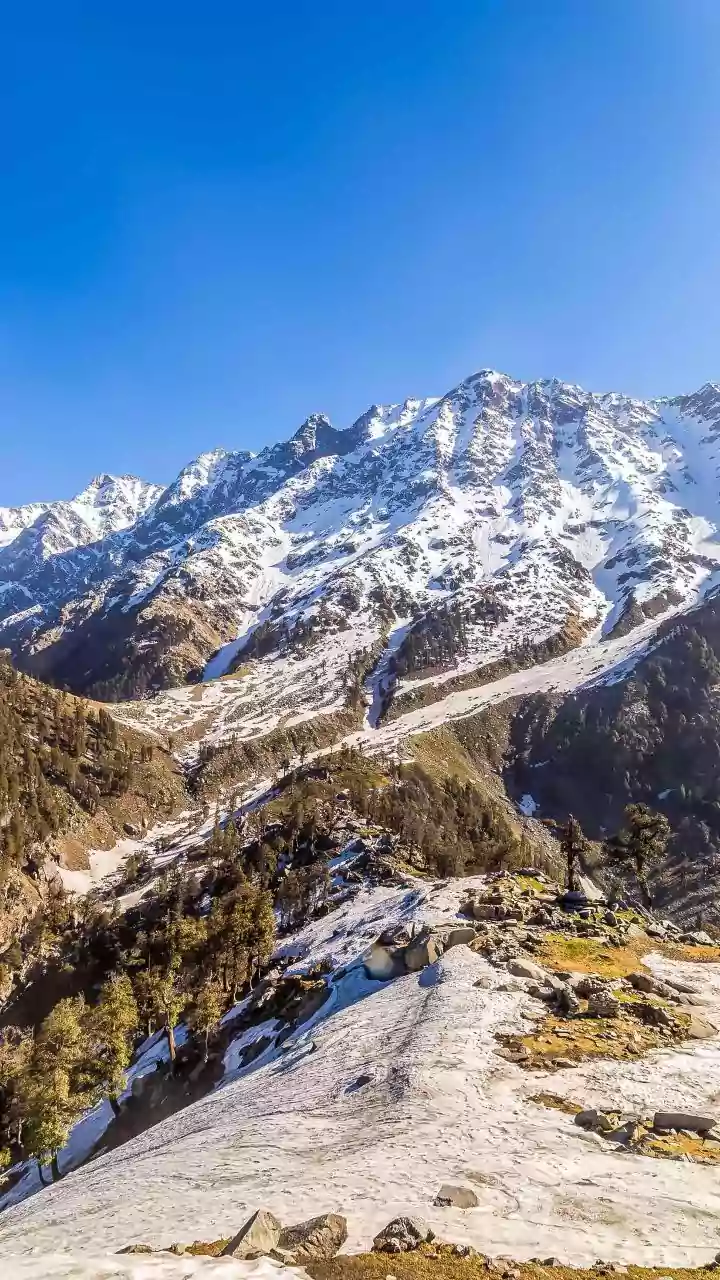
An Instagram photo of a stunning, snow-covered landscape can be a powerful motivator, but it doesn't tell you about the trail's difficulty. A trek that is rated 'easy' in summer can become 'moderate' or 'difficult' in winter due to snow, ice, and shorter daylight hours. Be realistic about your physical fitness. For a first winter trek, consider well-established beginner trails like Kedarkantha or Dayara Bugyal. Research the trek's altitude, daily walking distance, and terrain before you book. Being physically prepared will not only make the trek safer but also far more enjoyable.
Mistake 6: Rushing to Get Warm at the Campsite
After a long day of trekking, your body is warm from the exertion, and you might not feel the cold immediately. A frequent error is delaying putting on your warm layers. As soon as you reach the campsite, change out of any damp clothes and put on your warmest layers, including your padded jacket, cap, and dry socks. Another common impulse is to crawl directly into your sleeping bag. Instead, spend some time walking around the campsite and engaging in light activity to help your body acclimatize better and stay warm.