


Why Standard Cleaners Pose a Risk
Our furry companions interact with the world differently than we do. They walk barefoot on our floors, lick their paws to groom themselves, and have a much stronger sense of smell. This means they are far more susceptible to the chemicals left behind
by cleaning products. Exposure can happen through skin contact with wet floors, inhaling strong fumes, or ingesting residue while grooming. Common symptoms of toxicity can range from mild skin irritation, coughing, and sneezing to more severe issues like vomiting, lethargy, and even seizures. Because pets are smaller and have different metabolisms, even products that seem harmless to humans can be dangerous for them.
Decoding the Label: Ingredients to Avoid
Reading the ingredient list is your first line of defence. Many popular floor cleaners in India contain compounds that are known irritants or are toxic to animals. Be cautious of products containing bleach (chlorine), ammonia, and phenols. Phenols, often found in disinfectants with a strong 'pine' or 'phenyl' smell, are particularly dangerous for cats, who lack the liver enzymes to break them down effectively. Also, be wary of vague terms like 'fragrance' or 'perfume', which can hide phthalates—chemicals linked to respiratory and skin irritation. Other ingredients to steer clear of include glycol ethers and certain alcohols, which can be harmful if ingested.
What to Look For: The Pet-Safe Seal of Approval
So what should you look for? The key is transparency. Brands that are truly pet-safe are usually proud to list all their ingredients. Look for cleaners that are plant-based or use natural enzymes to break down dirt and stains. Terms like 'non-toxic' and 'biodegradable' are good indicators, but don't stop there. Check for specific call-outs like 'phenol-free' and 'ammonia-free'. Some products may even have certifications like 'PETA-certified' or 'USDA BioBased' which offer an extra layer of assurance. Ultimately, a shorter, more understandable ingredient list is often a safer bet for your home.
Safe Cleaning Practices for Every Pet Home
Choosing the right product is half the battle; using it safely is the other. Even with pet-friendly cleaners, it's wise to take precautions. Always keep your pets in a separate room while you are mopping and don't let them back into the area until the floor is completely dry. This prevents them from slipping or licking any wet product off their paws. Ensure the room is well-ventilated by opening windows to dissipate any fumes. It’s also crucial to store all cleaning products, even the safe ones, in a secure cabinet far out of your pet’s reach. Finally, always follow the dilution instructions on the label; using a more concentrated solution than recommended doesn't make it cleaner, just potentially more hazardous.
DIY Solutions for Peace of Mind
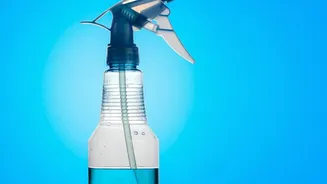
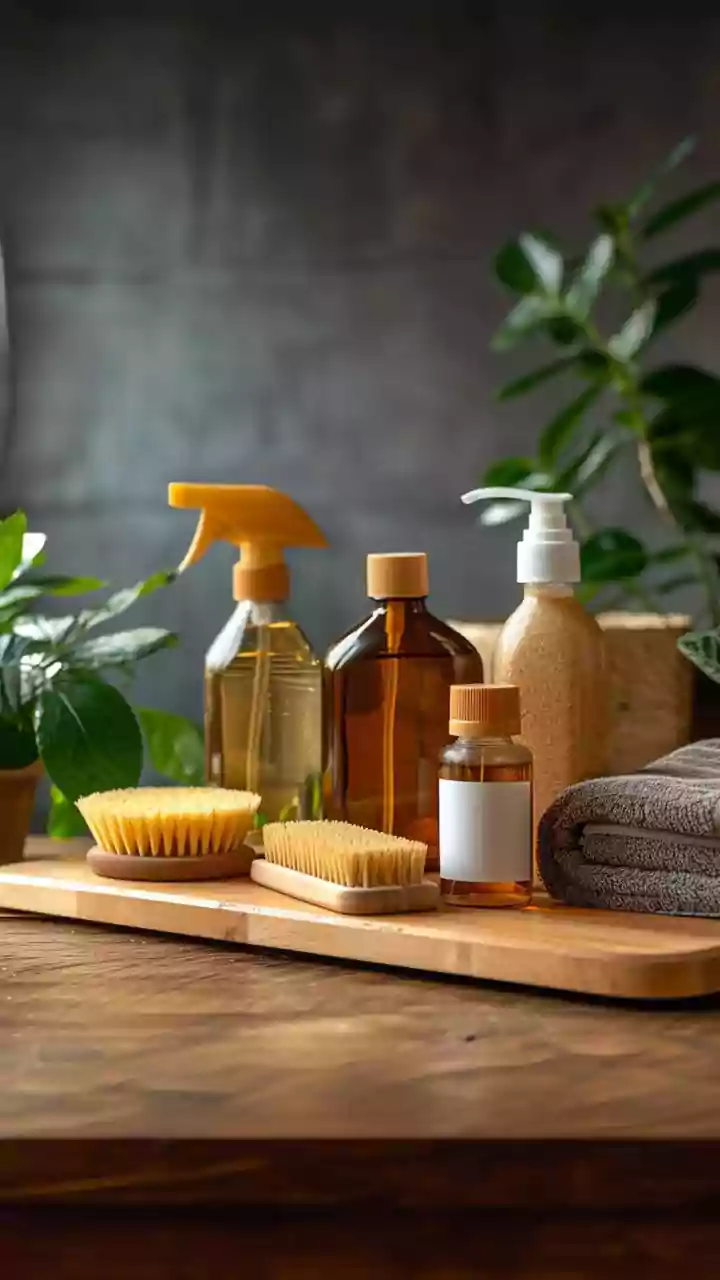
For those who prefer to know exactly what’s in their cleaner, a simple DIY solution can be both effective and incredibly safe. A mixture of equal parts white vinegar and water is a classic, non-toxic all-purpose cleaner that works on many floor types like tile and vinyl. The acetic acid in vinegar acts as a natural disinfectant. For tough grime, a paste of baking soda and water can be used as a gentle scrubbing agent. While some recipes suggest essential oils for fragrance, be cautious as many oils are toxic to pets, especially cats. When in doubt, the simple vinegar and water solution is a reliable and safe choice for everyday cleaning.