




Boosting your protein intake shouldn’t mean gritty textures and strange aftertastes. This guide demystifies cooking with protein powder, turning it from a tricky science into a simple, everyday kitchen skill. Here's how to do it right.
Choosing Your Powder
The first step to
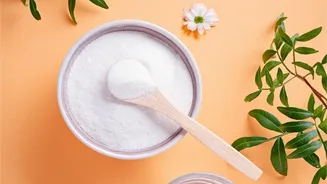
success is picking the right type of protein for your recipe. Whey, a milk byproduct, is the most common and comes in two main forms: concentrate and isolate. Whey isolate is more filtered, containing less fat and lactose, making it a good choice if dairy sometimes gives you trouble. Casein, also from milk, is a slower-digesting protein that's very absorbent, which can make baked goods moist if used correctly but also requires more liquid. For baking, a whey-casein blend is often considered ideal because the whey provides structure while the casein retains moisture. Plant-based proteins, like pea or soy, are excellent vegan options but can have an earthy flavour and absorb a lot of liquid, often requiring recipe adjustments to avoid a dense, dry result. For savoury cooking, an unflavored protein powder is the most versatile choice.
The Golden Rules of Cooking with Protein
Simply swapping flour for protein powder one-for-one is a recipe for disaster, likely resulting in a dry, rubbery brick. The most important rule is substitution ratio: start by replacing no more than 25-33% of the flour in a recipe with protein powder. Because protein powder is highly absorbent, you must increase the wet ingredients. A good starting point is to add an extra 1-3 tablespoons of liquid like milk, water, or yogurt for every 1/3 cup of protein powder used. To prevent clumps, sift the protein powder with your other dry ingredients before mixing. When adding to hot liquids like soup or coffee, first mix the powder with a small amount of room-temperature liquid to create a smooth paste or 'slurry' before stirring it in. This tempering method prevents the protein from cooking into insoluble lumps.
Easy Wins Beyond the Shaker
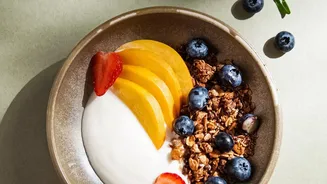
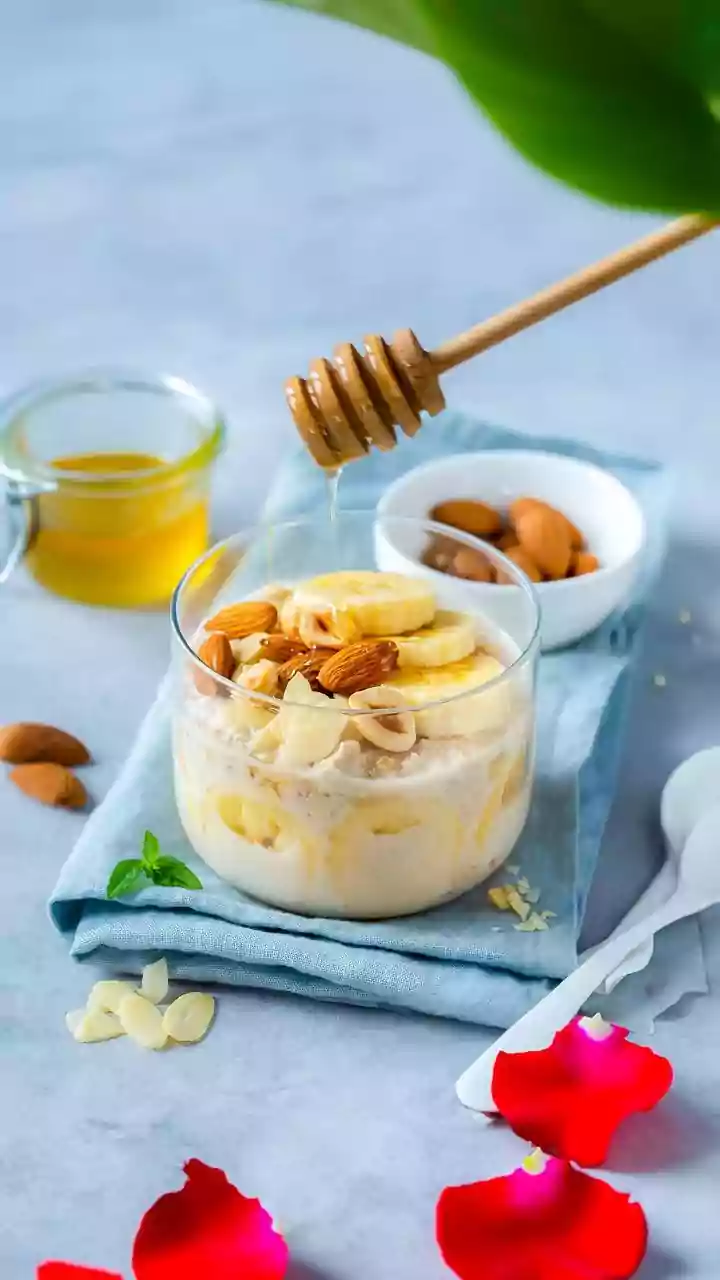
You don't have to be a master baker to start using protein powder. The easiest entry points require no cooking at all. Stirring a scoop into thick foods like Greek yogurt, cottage cheese, or oatmeal is a simple way to boost protein without much fuss. The thickness of these foods helps dissolve the powder and mask its texture. Overnight oats and chia puddings are also perfect canvases; just mix the powder in with your milk and other ingredients and let it sit in the fridge. The seeds and oats will hydrate alongside the protein for a creamy, ready-to-eat breakfast. For a quick snack, roll protein powder into energy balls with ingredients like oats, nut butter, and a little honey.
Tips for Better Baking
When you're ready to bake, a few adjustments will ensure success. Since protein powders absorb so much moisture, adding ingredients that provide fat and hydration is key. Mashed banana, applesauce, pumpkin puree, and Greek yogurt are excellent for keeping baked goods like muffins and pancakes tender. Don't be afraid of fat; a bit of butter or oil will go a long way in preventing dryness. Also, remember that protein bakes faster than flour. To avoid an overcooked, tough result, try reducing your oven temperature by about 15°C (or 25°F) and check for doneness earlier than the recipe suggests. Finally, because you are replacing flour, which contains gluten, you may need to add a little extra baking powder to ensure your goods rise properly.
Tackling Taste and Texture
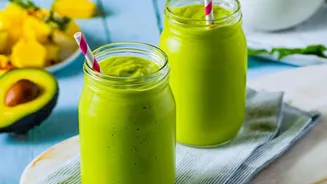
Let's be honest: some protein powders have a distinct, chalky taste. The key to hiding it is using strong, complementary flavours. For sweet recipes, ingredients like banana, nut butters, cocoa powder, cinnamon, and vanilla extract are powerful allies. A shot of espresso in a chocolate mix or 'jammy' cooked fruits in a vanilla base can effectively cover up underlying protein notes. Plant-based proteins in particular can have grassy or beany off-notes that benefit from robust flavour pairings. If your mixture feels gritty, it might be the mixing technique. A blender will always produce a smoother result than a spoon. Adding ingredients with natural fats, like half an avocado or a spoonful of cashew butter, can act as emulsifiers to create a creamier, less chalky mouthfeel.