






What Really Causes Summer Muscle Cramps?
When the temperature soars and you start to sweat, your body isn't just losing water; it's also shedding essential minerals called electrolytes. These minerals—chiefly sodium, potassium, calcium, and magnesium—are critical for healthy muscle function.
They carry the electrical signals that tell your muscles to contract and relax. An imbalance, particularly a deficit caused by dehydration and heavy sweating, disrupts these signals, leading to the painful, involuntary muscle contractions we know as cramps. While staying hydrated with plain water is crucial, it doesn't always replace the key electrolytes lost, setting the stage for that unwelcome muscle-seizing moment.
Coconut Water's Natural Advantage
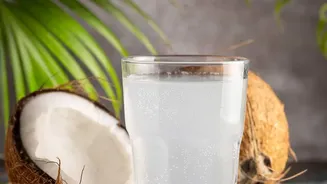
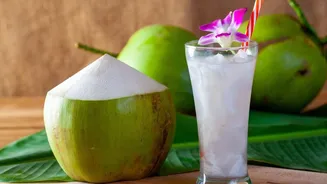
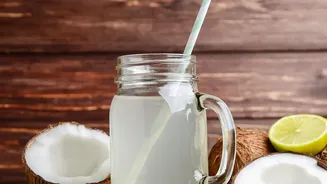
This is where coconut water enters the picture. Often called 'nature's sports drink', it is naturally rich in several key electrolytes needed for muscle health. Its standout feature is an impressive potassium content; a single cup can contain more potassium than a banana, sometimes packing 400-600mg. Potassium is vital for allowing muscles to relax after a contraction. Coconut water also provides smaller but still beneficial amounts of magnesium, calcium, and phosphorus, all of which support proper muscle and nerve function. This natural mineral profile makes it a strong base for a rehydration drink, offering more than just plain water.
Why a Pinch of Salt Is the Secret Ingredient
While coconut water is a potassium powerhouse, it is naturally low in sodium. This is significant because sodium is the primary electrolyte lost through sweat. Sodium plays the opposite but equally important role to potassium: it helps trigger muscle contractions and, crucially, helps the body retain fluid to stay properly hydrated. Adding a small pinch of high-quality sea salt or pink Himalayan salt does more than just season the drink; it transforms it into a more complete electrolyte solution. This combination creates a balanced beverage that replenishes both the sodium you lose through sweat and the potassium your muscles need to function correctly, effectively mimicking a natural oral rehydration solution.
Your DIY Hydration Hero
Creating this balanced drink is incredibly simple. For a basic but effective mix, stir a quarter-teaspoon of unrefined sea salt into about two cups of unsweetened coconut water. For added flavour and a vitamin C boost, you can squeeze in the juice of a lime or lemon. This homemade blend offers a significant advantage over many commercial sports drinks, which can be high in refined sugars and artificial additives. The natural sugars in coconut water provide a light energy boost without causing a sharp spike and crash in blood sugar levels. This makes it an ideal choice for rehydrating after moderate activity in the summer heat, like gardening, a long walk, or a day at the beach.
Know Its Role and Limitations
This salt-infused coconut water is an excellent tool for everyday summer hydration and cramp prevention for most people. However, it's important to understand its place. For elite athletes or those engaged in prolonged, high-intensity endurance events (lasting several hours), a more specifically formulated sports drink might be necessary to meet their extreme sodium and carbohydrate needs. Furthermore, the electrolyte content in coconut water can vary depending on the brand and the maturity of the coconuts used. People with kidney issues or those on specific low-potassium or low-sodium diets should consult a professional before making it a regular habit. For most, it remains a simple, clean, and effective way to stay balanced.