


Why Your Cat Craves Predictability
Cats thrive on routine because their wild ancestors depended on it for survival. Predictable patterns for hunting, resting, and staying safe are deeply ingrained instincts. When a daily schedule changes—perhaps you've started working from home, have guests
over, or even brought home a new pet—it can disrupt your cat's sense of security. This disruption can lead to anxiety, which may manifest as hiding more than usual, changes in appetite, over-grooming, or aggression. Understanding this need for consistency is the first step in creating a low-stress environment. By recognising that routine equals safety in your cat's world, you can better anticipate and mitigate their anxiety during times of change.
The Psychology of a Good Hiding Spot
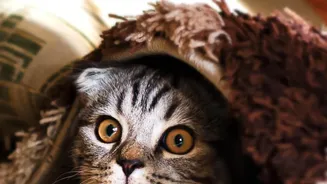
A cat's desire to hide isn't anti-social; it's a fundamental coping mechanism. Genetically, cats are both predators and prey, so the instinct to find a concealed spot is crucial for both sneaking up on prey and avoiding danger. A good hiding place provides a sense of control and security, allowing your cat to decompress and observe their surroundings from a safe distance. It's their personal safe room where they can go to regulate their emotions when feeling overwhelmed or threatened. Studies have shown that cats with access to hiding spots are significantly less stressed. Giving them the choice to retreat helps them feel more in control and relaxed, making them more likely to venture out and interact when they feel ready.
Essentials of the Perfect Feline Fortress
Not all hiding spots are created equal. An ideal retreat should be more than just a space; it should feel like a secure sanctuary. A great hiding spot is typically enclosed on most sides, offering protection from being snuck up on. Many cats also prefer elevated spots, like the top of a wardrobe or a high shelf on a cat tree, as it gives them a strategic vantage point to survey their territory. The space should be in a low-traffic area of your apartment, away from loud noises and constant footfall. Finally, it must be the cat's own territory. Placing a soft blanket or an item with your scent inside can make it extra inviting, but it should be a place where the cat knows it won't be disturbed.
Apartment-Friendly Hiding Space Ideas
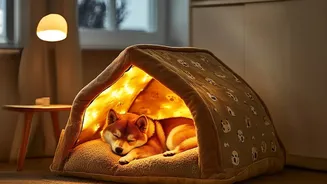
Living in a smaller space doesn't mean you can't provide excellent hiding options. In fact, a little creativity can turn your apartment into a feline paradise. Cardboard boxes are a classic for a reason; they're enclosed, disposable, and beloved by cats. You can make it cozier by cutting a single cat-sized hole in the side and placing a blanket inside. Another simple option is to create a 'tent' by draping a t-shirt over a box or using wire hangers to form a frame. Maximise vertical space by clearing off the top of a bookshelf or wardrobe and making it accessible and comfortable. Cat-specific furniture like enclosed cubbies, cat trees with built-in condos, or collapsible tunnels also work wonderfully without taking up too much permanent floor space. Even leaving a closet door slightly ajar or placing a basket behind a curtain can provide the quick, secure escape your cat needs.
When Hiding Becomes a Red Flag
While hiding is a normal and healthy behaviour, it's important to know when it might signal a deeper issue. A sudden and significant increase in hiding, especially if your cat is normally social, can be a cause for concern. If hiding is accompanied by other changes, such as a lack of appetite, refusal to use the litter box, or lethargy, it may be a sign of illness or pain. Cats are masters at concealing illness, an instinct left over from when showing weakness in the wild made them vulnerable to predators. If your cat suddenly starts hiding for long periods or their hiding habits change dramatically, it's always best to consult with a veterinarian to rule out any underlying medical problems before assuming it's purely behavioural stress.