






Cold-Pressed vs. Refined: What’s the Real Difference?
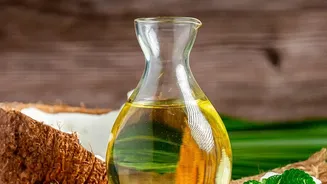
The main distinction lies in the extraction process. Cold-pressed oils, like those from a traditional 'kachi ghani' or wooden press, are made by crushing seeds or nuts at low temperatures without chemicals. This gentle method helps the oil retain its
natural flavour, aroma, antioxidants, and nutrients. Refined oils, on the other hand, are extracted using heat and chemical solvents like hexane to get the maximum amount of oil from the seeds. They are then bleached and deodorised, resulting in a neutral-tasting oil with a longer shelf life and fewer impurities. This refining process, however, strips away most of the natural nutrients.
Decoding the Smoke Point
The smoke point is the temperature at which an oil stops shimmering and starts to produce visible smoke. This is a critical indicator because when an oil is heated past this point, its fats begin to break down. This process not only ruins the flavour of your food, giving it a burnt or bitter taste, but it also destroys the oil's nutritional value. More importantly, overheating generates harmful compounds, including free radicals and aldehydes, which are linked to various health risks if consumed regularly. Therefore, matching your oil's smoke point to your cooking method is essential for both taste and health.
For High-Heat Heroes: Deep Frying and Searing
When it comes to high-temperature cooking like deep-frying puris, samosas, or pakoras, you need an oil that won't break down easily. Most Indian deep-frying happens between 180-220°C. Refined oils are generally the champions here because the refining process gives them higher smoke points. Refined sunflower oil (smoke point ~227°C), refined groundnut oil (~230°C), and rice bran oil (~255°C) are excellent, affordable choices for this purpose. Ghee, or clarified butter, is another traditional favourite with a very high smoke point of around 250°C, making it perfect for frying and searing. Among cold-pressed options, mustard oil stands out with a smoke point of about 250°C, making it a traditional choice for frying fish in North and East India. Some sources also indicate cold-pressed groundnut oil is suitable for home deep-frying on a medium flame.
The Everyday Sauté and Tadka
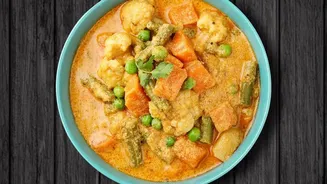
For the daily routine of preparing sabzis, dals, and curries, the heat is generally in the low to medium range. Sautéing and tempering (tadka) typically happen between 120°C and 180°C, a range where many cold-pressed oils perform beautifully without degrading. Cold-pressed groundnut, sesame, and coconut oils are all excellent for these everyday tasks. In fact, cold-pressed oils can enhance the flavour of your tadka, as their natural aromas complement spices like cumin and curry leaves far better than a neutral refined oil. While refined oils also work, this is where the nutritional and flavour benefits of cold-pressed oils can truly shine without the risk of overheating.
Best for Last: Drizzling, Dressings, and Finishing
Some oils have delicate flavours and nutrient profiles that are best preserved without any heat at all. Cold-pressed oils with very low smoke points, such as flaxseed oil (around 107°C), should never be heated. These are best used for salad dressings or drizzled over finished dishes like dal or khichdi to add richness and a nutritional boost. Unrefined or extra virgin oils, known for their robust flavours, are also ideal for finishing touches. Their natural compounds are sensitive to heat, so using them raw ensures you get their full health benefits and taste profile. Storing these oils in a cool, dark place is crucial to maintain their quality.