
The Root of the Conflict: Territory and Scent
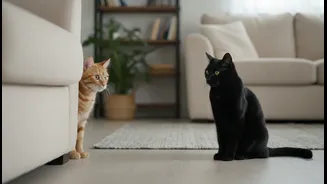
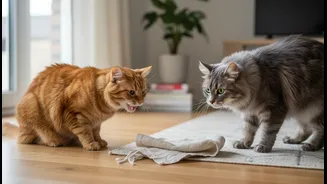
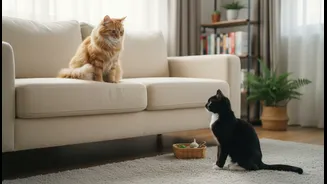
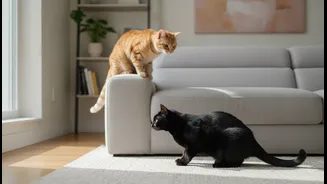
Cats are inherently territorial creatures. In the wild, they mark and defend their home range to protect resources like food, mates, and safe resting spots. Your home, no matter how spacious, is your resident cat’s established territory. A new cat isn’t
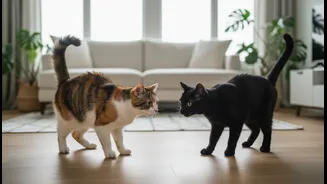
seen as a friend; it’s viewed as an intruder encroaching on valuable turf. This can trigger defensive behaviors like hissing, swatting, and fighting. Scent is a cat’s primary language. They mark their territory by rubbing their cheeks on furniture and spraying. An unfamiliar scent signals a threat. The sudden arrival of a new cat, with its unknown smells, can cause significant stress and fear for both felines, often leading to immediate conflict. Other factors like personality clashes, competition for your attention, or even redirected aggression—where a cat takes out frustration from seeing an outdoor cat on their housemate—can also cause fights.
The Golden Rule: Go Slow
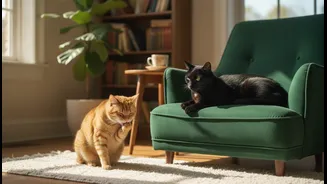
The single most critical mistake owners make is rushing the introduction. Letting the cats “fight it out” is a myth; it only worsens the aggression and cements negative associations. The key to success is a gradual process that allows each cat to acclimate at their own pace. This involves carefully managing their environment to build positive experiences. This method requires patience, as it can take anywhere from a few days to several weeks or even months, depending on the individual cats' personalities. Forcing interaction will almost certainly backfire. By controlling their first impressions of each other, you are laying the foundation for a peaceful coexistence.
Step 1: Complete Separation and a Safe Room
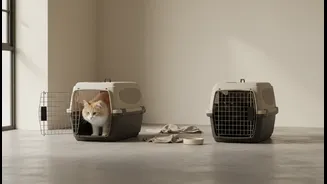
Your new cat needs a dedicated “safe room” for the first several days, or even a week. This space should have everything they need: their own food, water, litter box, toys, and a comfortable bed or hiding spot. This initial separation serves two purposes. First, it gives the new cat a chance to decompress from the stress of a new environment in a secure, quiet space. Second, it allows both cats to become aware of each other’s existence through scent and sound without the threat of a physical confrontation. They might sniff and hiss under the door, which is a normal part of the process.
Step 2: The Scent Exchange
Once the new cat seems comfortable in their room, you can begin scent swapping. Take a blanket or towel that one cat has slept on and place it in the other cat’s area, and vice versa. You can also use socks to rub each cat’s cheeks, where their facial pheromones are concentrated, and then leave the socks for the other cat to investigate. This helps them get used to each other's smell in a non-threatening way. Another effective technique is to feed both cats on opposite sides of the closed door. This helps them associate the other cat’s scent with something positive, like a meal.
Step 3: Visual Contact Without Physical Access
When both cats are calm during scent swapping, it’s time for them to see each other. Use two stacked baby gates in the doorway of the safe room or crack the door just enough for a peek but not enough to get through. Keep these first visual meetings very short and positive. Offer high-value treats or engage them in a play session on their respective sides of the barrier. If you see any signs of intense aggression like growling or spitting, calmly end the session and go back to the previous step for a few more days. The goal is for them to see each other without feeling threatened.
Step 4: Supervised Interactions
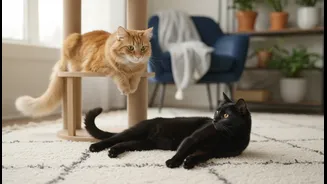
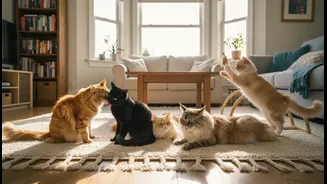
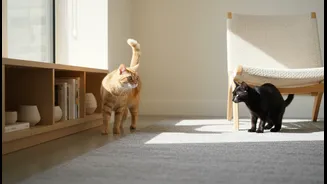
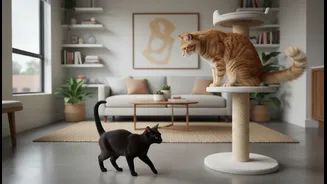
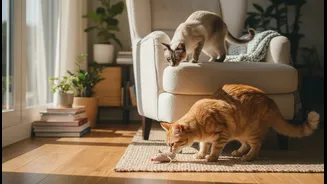
After several successful visual meetings, you can allow short, supervised interactions in a neutral space. Keep the initial sessions brief—just a few minutes—and always end on a positive note. Use toys to distract them and keep their attention focused on the fun activity rather than each other. It’s crucial to provide escape routes, like cat trees or high perches, so either cat can retreat if they feel overwhelmed. Gradually increase the duration of these interactions as they become more comfortable. Never leave them unsupervised until you are completely confident they are tolerant and relaxed in each other’s presence.