



A Pair of Landmark Agreements
In late July 2026, the Ministry of Tourism announced separate, strategic partnerships with two of the country's aviation giants: Air India and IndiGo. These non-financial Memorandum of Understanding (MoU) agreements are designed to leverage the airlines'
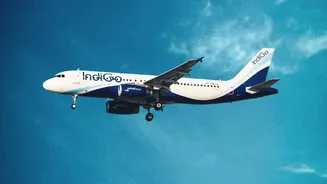
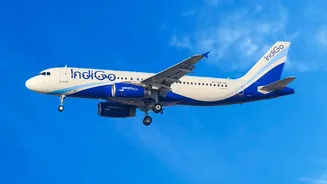
vast international networks to promote India as a premier global destination. The collaboration with Air India, the national flag carrier, focuses on joint marketing, destination promotion, and enhancing the traveller experience. Days later, a similar pact was signed with IndiGo, India's largest airline, to launch a global initiative called “Incredible India by IndiGo.” Both agreements aim to synergize the government's tourism ambitions with the commercial reach of its top airlines.
Why This Strategy, Why Now?
The timing is no coincidence. As global travel continues its post-pandemic rebound, India is making a concerted effort to capture a larger share of the international tourism market. These partnerships appear to be part of a broader strategy to amplify marketing efforts, especially as reports suggest the official tourism marketing budget has seen cuts. By enlisting airlines as marketing partners, the ministry can tap into their extensive digital platforms, in-flight entertainment systems, and global customer bases. The goal is to create a seamless promotional journey, where a potential tourist sees an 'Incredible India' advertisement, books a flight on a partner airline, and even consumes destination-focused content while on board.
The Global Gateway Focus
The core of these partnerships lies in making international routes the primary conduits for inbound tourism. Air India serves 40 international destinations and, through codeshares, connects India with over 1,000 destinations worldwide. IndiGo has a network of over 40 international destinations and 13 codeshare partnerships. The strategy involves more than just advertising; it includes engaging with tour operators in key overseas markets, participating in international tourism exhibitions, and developing stopover programs to encourage transit tourism. By closely aligning with airlines that are actively expanding their global footprint—with new routes from cities like Mumbai to Tokyo and Guwahati to Dubai—the ministry ensures that every new flight becomes a potential new channel for visitor arrivals.
Beyond Just Bringing in Tourists
The ambition extends beyond simply increasing visitor numbers. The partnership with Air India explicitly aims to strengthen India's position as a key aviation and transit hub. For years, a significant percentage of passengers traveling to and from India did so via hubs in the Middle East or Europe. By promoting direct connectivity and attractive stopover packages, India hopes to retain that traffic and the associated revenue. Furthermore, these collaborations align with other governmental pushes, such as a recent partnership with Netflix to promote 'screen tourism', where travelers are encouraged to visit locations featured in popular films and series. It's an integrated approach to showcasing India's cultural and natural heritage on a global stage.
The Road Ahead
While these agreements are a significant step forward, their success will depend on execution. The MoUs provide a framework, but the real work lies in creating compelling joint marketing campaigns and ensuring a high-quality visitor experience on the ground. The partnerships are non-exclusive and non-financial, meaning the drive and creativity of both the ministry and the airlines will determine the outcome. For travelers, the immediate impact may be subtle—more India-centric content on their flight, perhaps a co-branded ad online. But over time, if the strategy succeeds, it could lead to more direct international flights, more diverse travel packages, and a more streamlined journey from inspiration to destination, fundamentally reshaping how the world comes to visit India.