

From Sightseeing to Story-Living
There’s a clear shift in how Indians are approaching their holidays. A recent travel report highlights that a remarkable 67% of travellers now plan their trips around cultural experiences like festivals, heritage, and food. It’s no longer enough to simply
see a place; the modern traveller wants to experience it, taste it, and understand its stories. This desire for authenticity has transformed festivals from one-day events into multi-day travel anchors. Instead of just booking a hotel, people are planning entire getaways designed to soak in the atmosphere, connect with communities, and create lasting memories. This trend reflects a broader move towards meaningful travel, where the goal is to return home with new knowledge and a deeper connection to a place and its people.
A Feast for the Senses
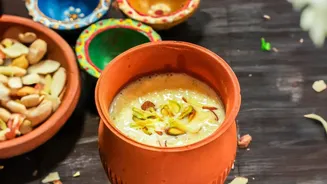
Food has always been central to Indian celebrations, but now it’s a primary reason to travel. Festivals are becoming grand showcases of regional culinary heritage, offering travellers a chance to taste authentic dishes that are often hard to find elsewhere. Take the Rann Utsav in Gujarat, where visitors can savour traditional Kutchi cuisine, from the famous street snack Dabeli to comforting Kadhi Khichdi and rustic Bajra Rotlo served with garlic chutney. The food served is more than just a meal; it’s a story of the region’s lifestyle and traditions. Similarly, the Hornbill Festival in Nagaland offers an adventurous culinary journey into the world of Naga tribal dishes, featuring smoked meats and unique fermented foods that are a cornerstone of their culture. These events allow food lovers to explore a region’s entire flavour profile in one vibrant setting.
The Artisan's Grand Stage
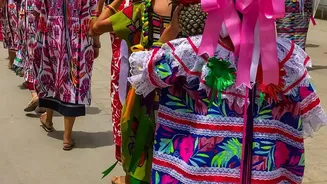
Alongside food, traditional arts and crafts are taking centre stage at these festival getaways. Travellers are increasingly seeking out authentic, handmade souvenirs, creating a vital economic link between tourism and local artisans. Festivals provide a direct platform for these artisans to showcase their skills and sell their work, from intricate textiles to detailed carvings. At the Rann Utsav, for example, visitors can explore stalls filled with Kutchi handicrafts, watch live demonstrations of rare Rogan art, and even see the making of traditional copper bells. The Hornbill Festival is another hub for indigenous crafts, where all 17 recognised Naga tribes display their unique wood carvings, paintings, and traditional attire in dedicated morungs (communal dormitories). This interaction doesn't just benefit the artisans; it enriches the travel experience, allowing visitors to appreciate the skill and history behind each piece.
Iconic Festivals, Immersive Experiences
Several festivals across India have become synonymous with this new wave of cultural travel. The Hornbill Festival, held every December in Nagaland, is a 10-day extravaganza uniting the state's diverse tribes through folk music, dance, indigenous games, and food. It’s an unparalleled opportunity to understand Naga culture in one place. In Gujarat, the Rann Utsav, which runs for several months through the winter, transforms the white salt desert into a cultural hub with folk performances and artisan markets under the stars. Beyond these, the Pushkar Camel Fair in Rajasthan mixes livestock trading with folk performances and artisan stalls, while Durga Puja in Kolkata turns the entire city into a living art gallery and culinary trail, making it the country's top festival for travel.
Planning Your Cultural Getaway
To make the most of a festival-centric trip, planning is key. These events are incredibly popular, so booking flights and accommodation well in advance is essential. Look for homestays or community-led tourism initiatives to get a more authentic experience and ensure your money directly supports the local economy. When at the festival, venture beyond the main stage. Explore the smaller stalls, talk to the artisans, and be open to trying unfamiliar foods—that’s where the real magic lies. Many festivals, like Rann Utsav, offer all-inclusive tent city packages that handle lodging, meals, and cultural activities, making planning easier. Ultimately, the goal is to immerse yourself fully, so allow for spontaneity and let the vibrant energy of the festival guide your journey.