






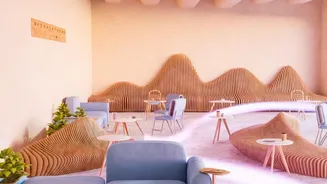

From Budget Necessity to Lifestyle Choice
Not long ago, hostels were seen as a compromise—a way to save money while sacrificing comfort and personality. Today, that picture is fading fast. Modern shared homes, from boutique hostels to co-living spaces, are being completely reimagined. They now
prioritise aesthetic design, comfort, and unique experiences alongside affordability. This transformation is a direct response to a new generation of travellers—Gen Z and young millennials—who value authenticity and experiences over pure luxury. The focus has moved from simply providing a bed to creating a vibrant environment where travellers can connect and recharge. These are not the bare-bones dormitories of the past; many now offer amenities and robust safety measures that rival traditional hotels.
The Search for Genuine Connection
Perhaps the biggest driver of this trend is a deep-seated desire for community. For many young people, especially solo travellers, shared accommodations are the antidote to the loneliness that can come with travel. These spaces are intentionally designed to foster social interaction. Common areas, shared kitchens, and organised group activities like city tours, game nights, or local music events become natural meeting points. Friendships are forged over a morning coffee or a late-night chat, turning a solo journey into a shared experience. This social element is a powerful draw, as travellers increasingly seek meaningful connections and shared stories over the anonymous experience of a conventional hotel. More than half of young travellers now prefer a shared home over separate hotel rooms when travelling in groups.
The Rise of the 'Workation' Hub
The explosion of remote work has created a new category of traveller: the digital nomad. These professionals are blending work and leisure, and shared living spaces are perfectly positioned to meet their needs. Modern hostels and co-living facilities increasingly offer reliable high-speed Wi-Fi, dedicated co-working corners, and a built-in community of like-minded individuals. This makes it possible for young professionals to maintain their productivity while exploring a new city or town. The combination of work-ready infrastructure and a ready-made social life provides an ideal solution for those looking to escape the monotony of working from home without sacrificing their career commitments. It’s a sustainable lifestyle that many are now adopting for weeks or even months at a time.
A Gateway to Authentic Experiences
Young travellers today crave authenticity. They want to experience a destination like a local, not just a tourist. Shared accommodations are increasingly acting as cultural touchpoints and gateways to these immersive experiences. Many hostels organise local food crawls, heritage walks, and workshops that connect guests with the local community in a way that larger hotel chains often cannot. Staff and fellow travellers are also valuable sources of insider tips, pointing guests towards hidden gems rather than just mainstream attractions. This focus on genuine, experience-based travel is a significant departure from older travel styles, reflecting a generation that wants their journeys to be meaningful and personal.